Yamaha Motoroid vs MWC 4 : Yamaha has long been recognized for its innovation in the motorcycle industry, blending performance with futuristic design. In recent years, the company has unveiled concept vehicles that push the boundaries of what two‑wheel and multi‑wheel mobility can look like. Among the most striking are the Motoroid and the MWC‑4, two projects that showcase Yamaha’s vision for the future of electric mobility.
The Motoroid Concept
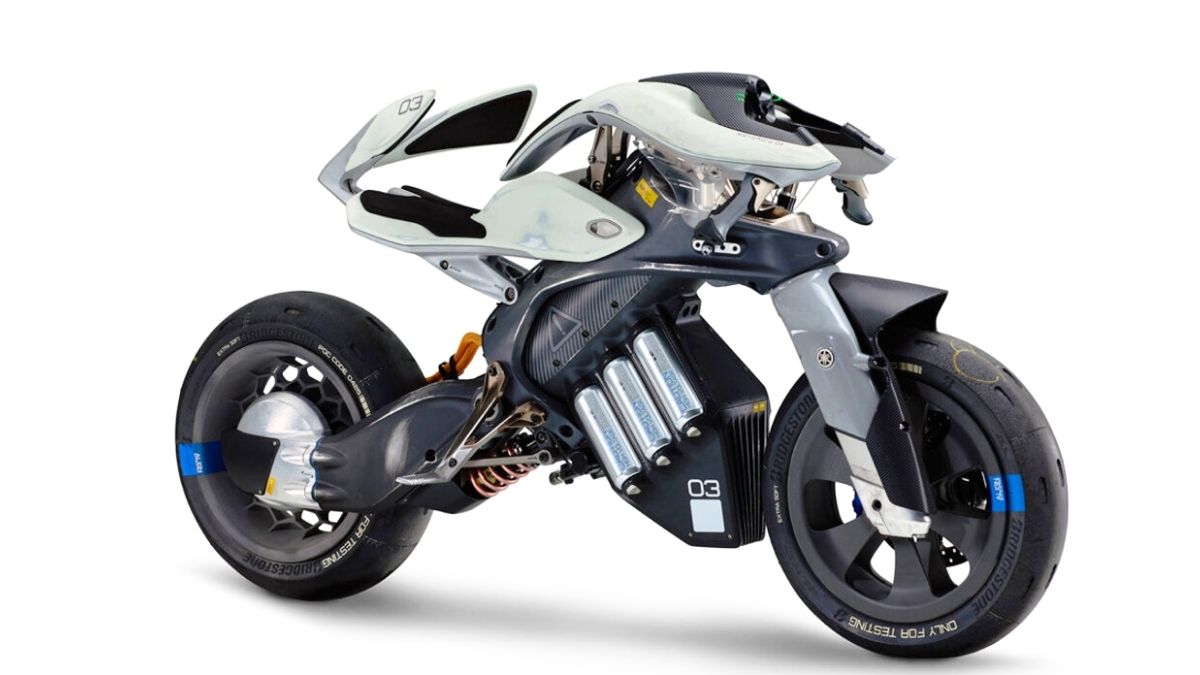
The Yamaha Motoroid is not just a motorcycle; it is a glimpse into a future where machines interact intelligently with riders. Designed as an experimental electric bike, the Motoroid incorporates artificial intelligence and advanced robotics. It can balance itself without a stand, recognize its owner, and even respond to gestures. The concept emphasizes a new relationship between rider and machine, where the motorcycle becomes an interactive partner rather than a passive vehicle.
Key Features of Motoroid
Motoroid’s standout features include:
- Self‑balancing technology that allows the bike to remain upright without support
- Facial and gesture recognition systems to identify and respond to the rider
- Electric propulsion with a sleek, futuristic design
- Lightweight frame optimized for agility and control
These innovations highlight Yamaha’s ambition to merge robotics with mobility, creating a vehicle that feels alive and responsive.
The MWC‑4 Concept
While Motoroid focuses on two‑wheel innovation, the MWC‑4 explores a different path. This four‑wheel concept blends motorcycle dynamics with car‑like stability. It is powered by electric motors and features a unique leaning mechanism that allows the vehicle to tilt into turns, mimicking the sensation of riding a motorcycle. The MWC‑4 is designed to offer comfort, safety, and futuristic style, appealing to riders who want the thrill of biking with added stability.
Key Features of MWC‑4
The MWC‑4 introduces several groundbreaking elements:
- Four‑wheel design with leaning technology for dynamic cornering
- Electric drive system with smooth acceleration
- Enclosed cabin for enhanced comfort and weather protection
- Futuristic styling that bridges the gap between motorcycles and compact cars
This concept reflects Yamaha’s exploration of hybrid mobility solutions, combining the best aspects of motorcycles and automobiles.
Yamaha’s Vision for Electric Mobility
Both Motoroid and MWC‑4 demonstrate Yamaha’s commitment to innovation in electric mobility. The company envisions a future where vehicles are not only environmentally friendly but also deeply integrated with human interaction. By experimenting with self‑balancing systems, gesture recognition, and leaning technology, Yamaha is redefining how riders experience motion.
Market Implications
Although these concepts are not yet available for mass production, they signal important trends in the industry. Electric mobility is becoming central to the future of transportation, and Yamaha’s prototypes show how design and technology can evolve beyond traditional boundaries. Competitors and industry observers see these projects as benchmarks for creativity and engineering.
Challenges Ahead
Bringing concepts like Motoroid and MWC‑4 to market will require overcoming challenges such as cost, infrastructure, and consumer acceptance. Advanced robotics and recognition systems are expensive, and integrating them into affordable vehicles will take time. However, Yamaha’s willingness to experiment ensures that these ideas will influence future models.
Conclusion
Yamaha’s Motoroid and MWC‑4 concepts represent bold steps toward a new era of mobility. By combining electric propulsion with robotics, leaning technology, and futuristic design, Yamaha is exploring possibilities that could transform how people ride and interact with their vehicles. While these concepts remain experimental, they embody the spirit of innovation that has always defined Yamaha and point toward a future where mobility is smarter, safer, and more engaging.