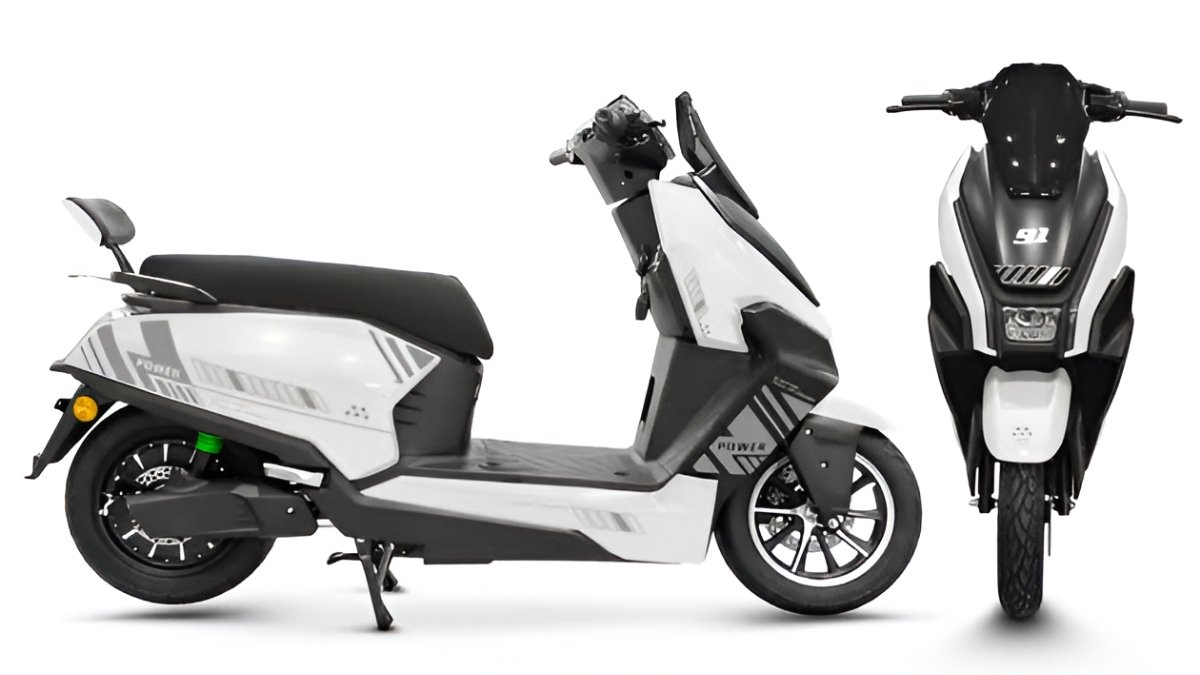
Low Speed Electric Scooters : India’s electric mobility sector has grown rapidly in recent years, with low‑speed electric scooters and e‑bikes becoming a popular choice for urban commuters. These vehicles are designed to be eco‑friendly, affordable, and easy to use. One of their biggest advantages is that they can be ridden without a driving license or vehicle registration, making them accessible to a wider audience.
What defines a low‑speed electric scooter
Low‑speed electric scooters and e‑bikes are classified by their limited top speed and motor capacity. Typically, they have:
- A maximum speed of 25 km/h
- Motor power under 250 watts
- No requirement for registration or insurance
- Simple charging systems compatible with household outlets
This classification allows them to be exempt from the licensing requirements that apply to conventional two‑wheelers.
Benefits of riding without a license
The ability to ride without a license makes these vehicles attractive to students, senior citizens, and individuals who may not have access to formal driving training. It also reduces the paperwork and costs associated with ownership. Riders can enjoy mobility without worrying about traffic fines or renewal of documents.
Popular models in India 2026
Several manufacturers have introduced low‑speed electric scooters and e‑bikes tailored for the Indian market. Some of the most popular models include:
- Hero Electric Optima Lite
- Okinawa Lite
- Ampere Reo Plus
- Pure EV Etrance Neo
- Lectro E‑Bike series
These models are known for their lightweight design, affordable pricing, and reliable performance for short‑distance commuting.
Charging and battery life
Most low‑speed scooters come with lithium‑ion batteries that can be charged at home. Charging time ranges from 4 to 6 hours, and the average range is between 50 and 70 kilometers per charge. This makes them ideal for daily city rides, errands, and short commutes.
Cost advantages
Low‑speed electric scooters are significantly cheaper than high‑speed models. With prices starting around ₹40,000, they are accessible to a wide range of consumers. Additionally, maintenance costs are low since these vehicles have fewer moving parts compared to petrol scooters.
Government policies and incentives
The Indian government has supported electric mobility through subsidies and incentives under schemes like FAME II. While most subsidies target high‑speed electric vehicles, low‑speed scooters still benefit indirectly from reduced GST rates and growing infrastructure for charging.
Safety considerations
Although these scooters do not require a license, safety remains important. Riders are encouraged to wear helmets, follow traffic rules, and avoid overloading the vehicle. Manufacturers are also improving braking systems and stability features to enhance rider safety.
Who should consider buying
Low‑speed electric scooters are best suited for:
- Students commuting short distances
- Senior citizens looking for easy mobility
- Urban residents who need a second vehicle for errands
- Environmentally conscious consumers seeking sustainable transport
Future outlook
With rising fuel prices and increasing awareness of sustainability, low‑speed electric scooters are expected to gain even more popularity in India. Manufacturers are working on improving battery efficiency, expanding model options, and offering better after‑sales service.
Conclusion
Low‑speed electric scooters and e‑bikes in India provide a practical, affordable, and eco‑friendly solution for everyday mobility. Their exemption from licensing and registration requirements makes them accessible to a broad audience. As technology advances and consumer demand grows, these vehicles are set to play a major role in shaping the future of urban transportation in India.