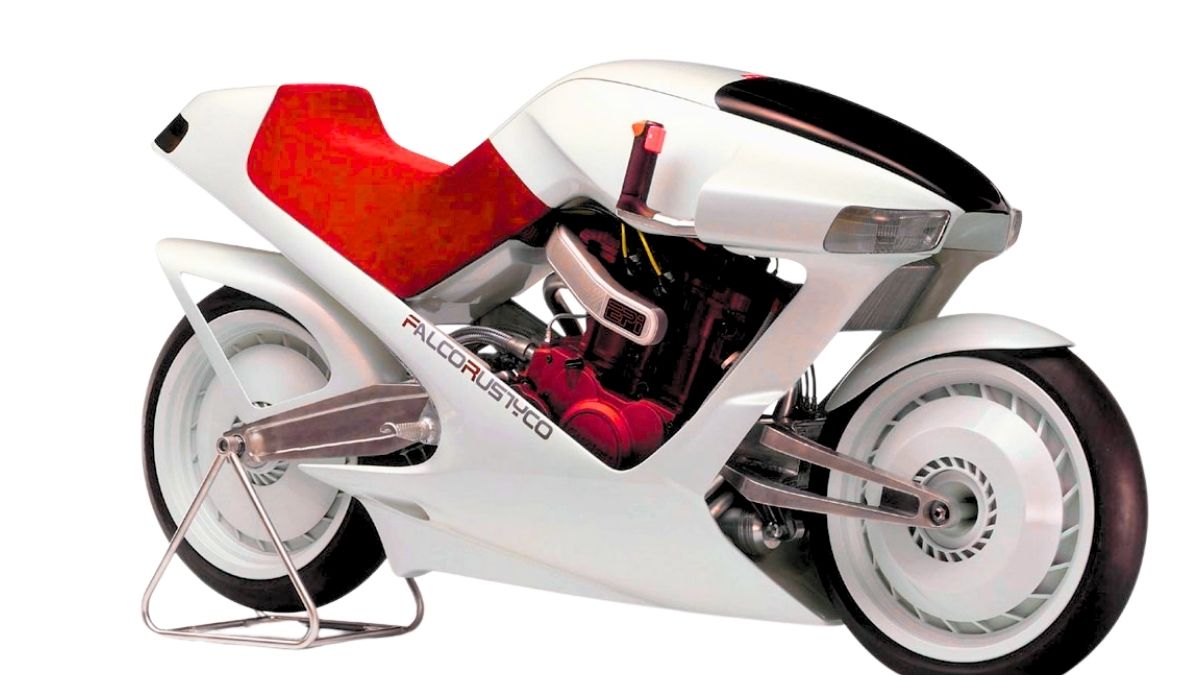
Top 10 Motorcycle Innovations Since 1980 : Motorcycles have always been symbols of freedom and performance, but since 1980 the industry has undergone a technological revolution. Innovations in safety, design, and engineering have transformed the riding experience, making motorcycles faster, safer, and more connected than ever before. Here we explore the ten most influential breakthroughs that reshaped motorcycling over the past four decades.
Anti‑lock Braking Systems (ABS)
Introduced in the late 1980s and widely adopted in the 1990s, ABS became one of the most important safety features in motorcycles. By preventing wheel lock during sudden braking, ABS reduced accidents and gave riders more confidence in challenging conditions. Today, ABS is mandatory in many regions for new motorcycles.
Fuel Injection Systems
Carburetors dominated motorcycles until the 1980s, but fuel injection systems gradually replaced them. This innovation improved fuel efficiency, reduced emissions, and enhanced throttle response. Riders benefited from smoother performance and easier maintenance, while manufacturers met stricter environmental standards.
Advanced Suspension Technology
Electronic suspension systems emerged in the 2000s, allowing riders to adjust damping and preload at the touch of a button. This technology improved comfort and handling across different terrains. From sport bikes to touring machines, adaptive suspension became a hallmark of premium motorcycles.
Traction Control Systems
Borrowed from racing technology, traction control became mainstream in the 2010s. By monitoring wheel spin and adjusting power delivery, it helped riders maintain stability in slippery conditions. This innovation made high‑performance motorcycles safer and more accessible to everyday riders.
Aerodynamic Design
Motorcycle aerodynamics advanced significantly after 1980. Wind tunnel testing and computer modeling led to fairings and bodywork that reduced drag and improved stability at high speeds. Sport bikes benefited the most, but even touring motorcycles adopted designs that enhanced efficiency and rider comfort.
Lightweight Materials
The use of aluminum frames, carbon fiber components, and advanced alloys transformed motorcycle construction. These materials reduced weight while maintaining strength, improving performance and fuel economy. Lightweight design became essential for both racing and consumer models.
Digital Instrumentation
Analog gauges gave way to digital dashboards in the 1990s and 2000s. Modern motorcycles now feature TFT displays, GPS integration, and smartphone connectivity. Riders can access navigation, performance data, and communication tools directly from their handlebars, making the riding experience more interactive.
Ride‑by‑Wire Technology
Replacing mechanical throttle cables, ride‑by‑wire systems introduced electronic control of engine response. This allowed for multiple riding modes, smoother acceleration, and integration with other electronic aids like traction control and ABS. It marked a new era of precision in motorcycle performance.
Electric Motorcycles
The rise of electric motorcycles in the 2010s and 2020s represented a major shift in the industry. Companies introduced models with impressive acceleration, zero emissions, and innovative battery technology. While challenges remain in range and charging infrastructure, electric motorcycles are shaping the future of mobility.
Safety Gear Innovations
Beyond the motorcycles themselves, rider safety gear evolved dramatically. Helmets with advanced composites, airbag jackets, and smart wearables enhanced protection. These innovations complemented motorcycle technology, ensuring that riders could enjoy performance with greater peace of mind.
Conclusion
Since 1980, motorcycles have evolved from simple machines into sophisticated vehicles packed with technology. Innovations like ABS, fuel injection, traction control, and electric propulsion have transformed the way riders experience the road. As the industry continues to embrace sustainability and connectivity, the next decades promise even more groundbreaking changes. The journey of motorcycle innovation is far from over, and riders can look forward to a future where performance, safety, and technology converge seamlessly.