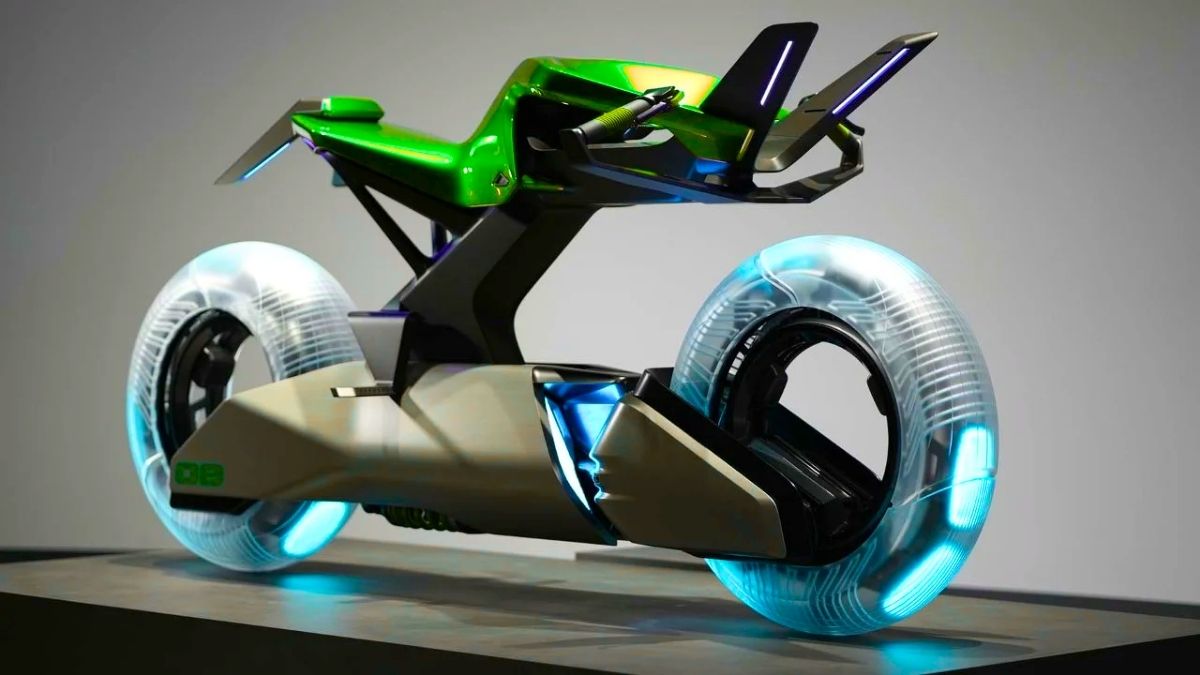
Complete guide to Yamaha : Motorcycles have always been about freedom, speed, and innovation. Yamaha, a brand known for pushing boundaries, is now exploring how artificial intelligence can reshape the riding experience. The Yamaha Y/AI concept represents a bold step into the future, blending advanced AI systems with traditional motorcycle engineering to create a smarter, safer, and more personalized ride.
What Is Yamaha Y/AI
Yamaha Y/AI is envisioned as a motorcycle platform that integrates artificial intelligence into every aspect of riding. From adaptive performance settings to predictive safety features, the concept aims to transform motorcycles into intelligent companions rather than just machines.
AI‑Driven Performance
One of the most exciting aspects of the Y/AI concept is its ability to adjust performance in real time. The motorcycle could analyze road conditions, rider behavior, and traffic patterns, then automatically optimize throttle response, suspension, and braking. This ensures that riders experience maximum efficiency and control without needing to manually adjust settings.
Personalized Riding Experience
Artificial intelligence allows Yamaha Y/AI to learn from each rider. Over time, the bike could adapt to individual preferences, offering customized riding modes that match a rider’s style. Whether someone prefers aggressive cornering or smooth cruising, the motorcycle would fine‑tune itself to deliver the perfect experience.
Enhanced Safety Features
Safety is a major focus of the Y/AI concept. AI systems could predict potential hazards by analyzing sensor data and rider inputs. Features such as collision warnings, lane‑keeping assistance, and adaptive braking would help reduce accidents. The motorcycle could even communicate with smart infrastructure, receiving alerts about traffic jams or dangerous road conditions ahead.
Connectivity and Smart Integration
Yamaha Y/AI would not only be a motorcycle but also a connected device. Riders could link the bike to mobile apps for navigation, performance tracking, and maintenance updates. Over‑the‑air software upgrades would keep the system current, adding new features without requiring a visit to the dealership.
Environmental Considerations
As Yamaha explores electrification alongside AI, the Y/AI concept could also integrate eco‑friendly technologies. Smart energy management systems would optimize battery usage, extending range and reducing environmental impact. This aligns with Yamaha’s broader commitment to sustainability in future mobility.
Market Impact
If Yamaha brings Y/AI to production, it could redefine the motorcycle industry. Competitors are experimenting with smart features, but Yamaha’s integration of AI into a flagship concept positions it as a leader in next‑generation riding technology. The Y/AI could appeal to both tech‑savvy riders and traditional enthusiasts seeking innovation.
Challenges Ahead
Despite its promise, the Y/AI concept faces challenges. High development costs, rider acceptance, and regulatory approval for AI‑driven safety systems are hurdles Yamaha must overcome. Balancing advanced technology with affordability will be key to ensuring widespread adoption.
Conclusion
The Yamaha Y/AI concept offers a glimpse into how artificial intelligence could transform motorcycles. By combining personalized performance, predictive safety, and smart connectivity, Yamaha is envisioning a future where motorcycles are not just machines but intelligent partners on the road. If realized, Y/AI could mark the beginning of a new era in motorcycling, blending tradition with technology to create a safer, smarter, and more thrilling ride.