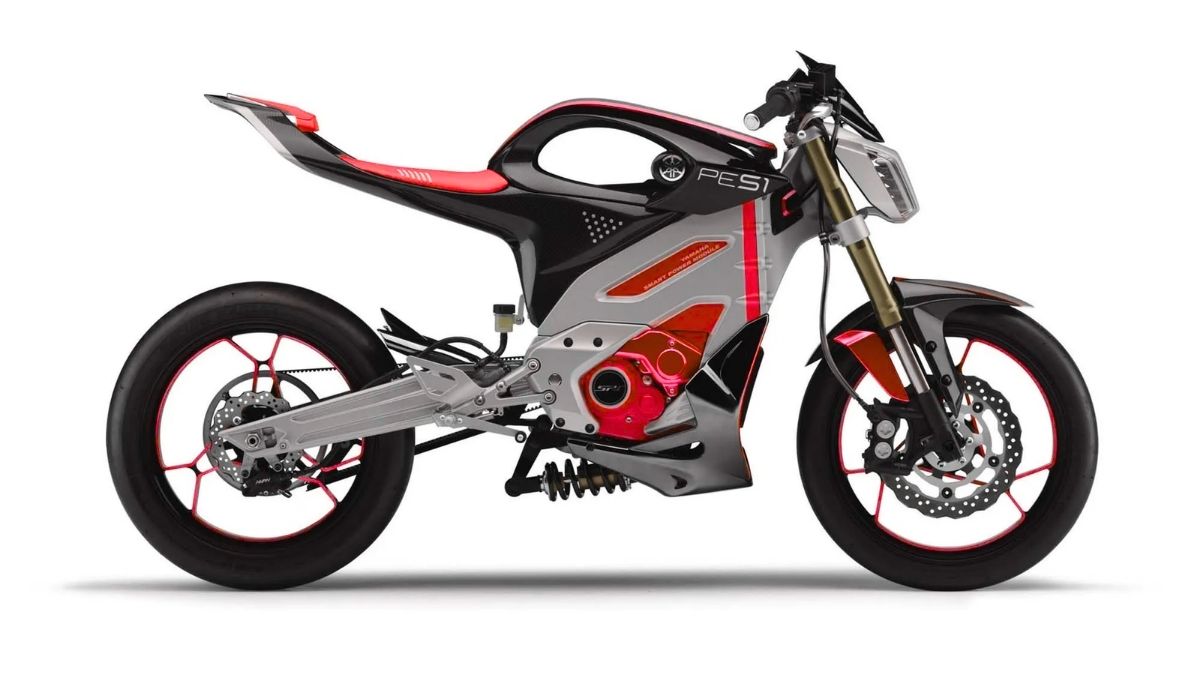
Yamaha Electric Two Wheeler : Yamaha, one of the most recognized names in the global motorcycle industry, is now seriously evaluating its entry into the electric two-wheeler market. With the growing demand for eco-friendly mobility solutions and government incentives supporting electric vehicles, Yamaha’s move could reshape the competitive landscape. This article explores Yamaha’s strategy, the potential of its upcoming electric two-wheeler, and what it means for consumers and the industry.
Yamaha’s Legacy in Motorcycles
For decades, Yamaha has been synonymous with performance, reliability, and innovation. From sport bikes to scooters, the brand has consistently delivered products that appeal to a wide range of riders. Entering the electric segment is a natural progression, aligning with global trends and Yamaha’s commitment to sustainability.
Why Electric Two-Wheelers Matter
The shift toward electric mobility is driven by rising fuel costs, stricter emission regulations, and consumer awareness of environmental issues. Electric two-wheelers offer lower running costs, reduced maintenance, and zero tailpipe emissions. In countries like India, where two-wheelers dominate urban transport, the adoption of electric bikes and scooters is expected to accelerate rapidly.
Yamaha’s Strategy
Yamaha is reportedly evaluating multiple prototypes and market strategies before finalizing its electric two-wheeler launch. The company aims to balance performance with affordability, ensuring that its product appeals to both young riders and daily commuters. By leveraging its engineering expertise, Yamaha is expected to deliver a model that combines advanced technology with the brand’s signature riding experience.
Expected Features
While official details are yet to be confirmed, industry speculation suggests that Yamaha’s electric two-wheeler will feature a powerful motor, competitive range, and fast-charging capabilities. Connectivity options such as smartphone integration, navigation, and ride analytics are likely to be included. Safety features such as regenerative braking and smart diagnostics could further enhance the appeal.
Market Potential in India
India is one of the largest two-wheeler markets in the world, making it a prime target for Yamaha’s electric ambitions. With government subsidies and growing charging infrastructure, the environment is favorable for EV adoption. Yamaha’s strong brand presence in India gives it an advantage in convincing consumers to transition from petrol-powered bikes to electric alternatives.
Competition Landscape
Yamaha will face stiff competition from established EV players like Ola Electric, Ather Energy, Bajaj, and Hero Electric. Each of these companies has already launched successful electric scooters and bikes. However, Yamaha’s reputation for quality and performance could give it a competitive edge, especially among riders who value brand trust and reliability.
Consumer Expectations
Consumers expect Yamaha to deliver an electric two-wheeler that matches the excitement of its petrol models. Range, charging speed, and affordability will be key factors. Riders also look forward to Yamaha’s design language, which has always combined style with practicality. Meeting these expectations will be crucial for Yamaha’s success in the EV segment.
Global Perspective
Yamaha’s move is not limited to India. Globally, the company is exploring electric mobility solutions to meet diverse market needs. Europe and Southeast Asia are also potential markets where Yamaha’s electric two-wheelers could thrive. By entering multiple regions, Yamaha can establish itself as a global leader in sustainable mobility.
Challenges Ahead
Despite the opportunities, Yamaha faces challenges such as battery costs, infrastructure limitations, and consumer hesitation. Building trust in electric technology will require consistent performance and reliable after-sales support. Yamaha must also ensure that its pricing strategy makes the product accessible to a wide audience.
Conclusion
Yamaha’s evaluation of launching an electric two-wheeler marks a significant step in its journey toward sustainable mobility. With its strong brand legacy, engineering expertise, and global presence, Yamaha is well-positioned to make a meaningful impact in the EV market. As the world moves toward cleaner transportation, Yamaha’s entry into electric two-wheelers could redefine the future of urban commuting and reinforce its status as an industry leader.