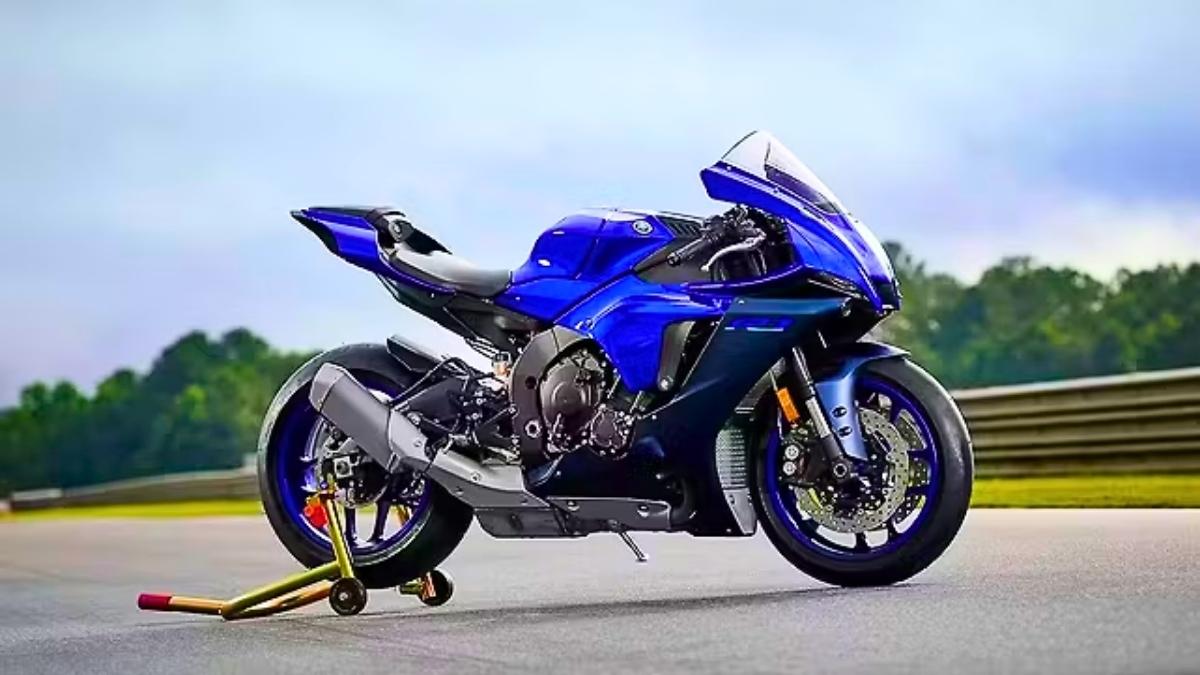
Yamaha R1 electric motorcycle : The Yamaha R1 has long been a symbol of high‑performance motorcycling, combining speed, precision, and cutting‑edge technology. As the industry shifts toward electrification, speculation grows about whether Yamaha is working on an electric version of its legendary R1 superbike. While official confirmation is limited, industry reports and concept showcases suggest that Yamaha may indeed be preparing to electrify its flagship model.
The Legacy of the Yamaha R1
Since its debut in 1998, the Yamaha R1 has been a benchmark in the superbike category. Known for its powerful inline‑four engine, advanced electronics, and race‑inspired design, the R1 has consistently evolved to meet the demands of riders and racing enthusiasts. An electric version would mark a dramatic shift, redefining what the R1 represents in the modern era.
Why an Electric R1 Makes Sense
Global emission regulations, rising fuel costs, and consumer demand for sustainable transport are pushing manufacturers toward electric solutions. Yamaha has already experimented with electric scooters and concept bikes, so extending this innovation to the R1 aligns with industry trends. An electric R1 would allow Yamaha to compete with rivals like Ducati, Kawasaki, and Harley‑Davidson, all of whom are exploring electric superbikes.
Possible Features of an Electric R1
Battery and Range
A high‑capacity lithium‑ion battery would be essential, offering ranges between 200 and 250 kilometers on a single charge. Fast‑charging technology could allow riders to recharge quickly, making the bike practical for both track and street use.
Performance
The electric R1 would likely deliver instant torque, giving it explosive acceleration compared to petrol models. Advanced traction control, regenerative braking, and customizable riding modes could enhance performance and safety.
Design
Yamaha would aim to preserve the aggressive styling of the R1 while integrating aerodynamic elements to improve efficiency. Lightweight materials such as carbon fiber and aluminum would help offset the weight of the battery pack.
Connectivity
Smart features could include app integration for monitoring battery health, performance statistics, and navigation. Over‑the‑air updates would ensure the bike remains technologically current.
Challenges in Development
Creating an electric R1 is not without obstacles. Battery weight, cooling systems, and cost are major challenges. Yamaha must balance performance with practicality, ensuring the electric R1 appeals to both racing enthusiasts and everyday riders.
Market Impact
If Yamaha launches an electric R1, it would signal a major shift in the superbike market. The R1’s reputation could help normalize electric superbikes, encouraging wider adoption. It would also position Yamaha as a leader in sustainable high‑performance motorcycles.
Comparison with Petrol R1
While the petrol R1 offers the visceral thrill of engine sound and traditional mechanics, the electric version would emphasize efficiency, instant torque, and futuristic technology. Riders may miss the roar of the inline‑four, but they would gain a new kind of performance experience.
Conclusion
The possibility of a Yamaha R1 electric version represents an exciting evolution in motorcycling. By combining the heritage of the R1 with modern electric technology, Yamaha could redefine the superbike category for a new generation. Whether for racing or street riding, an electric R1 would embody the future of performance, sustainability, and innovation.