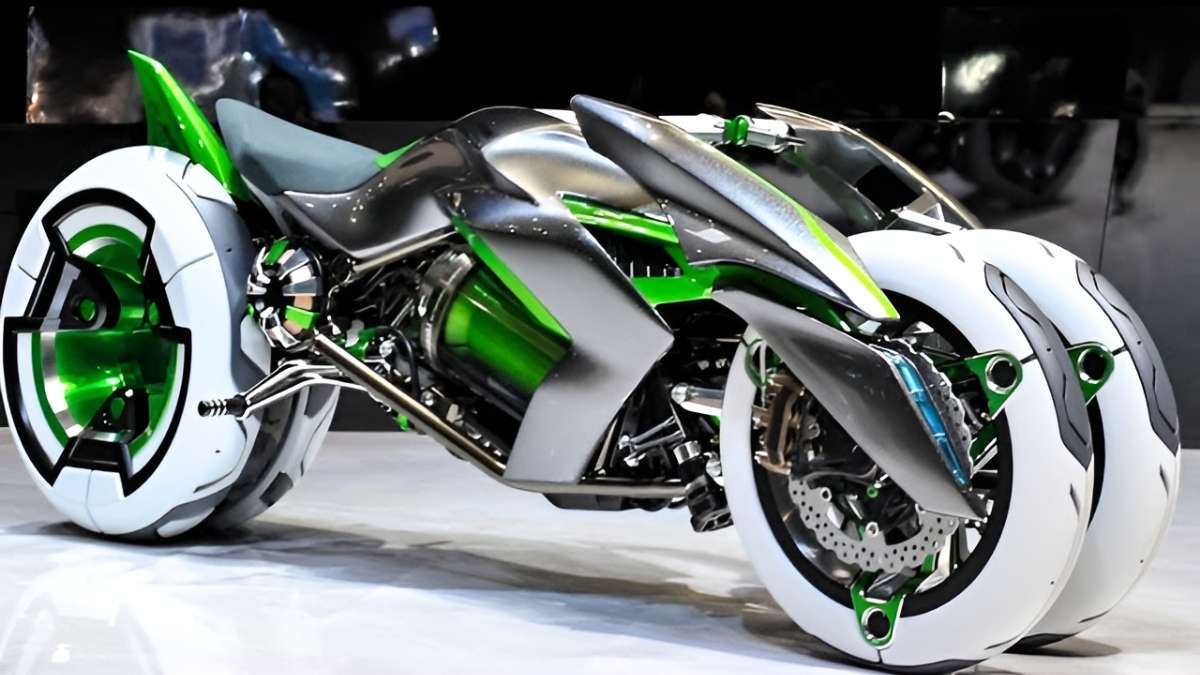
Future of Motorbikes 2030 Next : The world of transportation is changing rapidly, and motorbikes are no exception. By 2030, motorcycles are expected to look and function very differently compared to what we see today. With advancements in electric mobility, artificial intelligence, and smart connectivity, future motorbikes will likely become more efficient, safer, and highly intelligent machines.
Designers and engineers are already working on concepts that give us a glimpse into this future. These ideas suggest that motorbikes in 2030 will not just be vehicles for travel but smart mobility systems integrated with digital technology and sustainability.
Evolution of Motorbike Design
One of the most noticeable changes in future motorbikes will be their design. Traditional fuel tanks, exhaust systems, and mechanical structures will gradually disappear as electric technology becomes standard.
By 2030, motorbikes are expected to feature:
- Sleek aerodynamic body structures
- Minimalist frame designs
- Lightweight carbon-fiber materials
- Hidden or compact battery systems
- Integrated LED lighting systems
The overall design will focus more on efficiency and airflow rather than mechanical complexity. Motorbikes may look more futuristic, resembling digital concept vehicles rather than traditional bikes.
Shift Toward Electric Power
Electric mobility will play a major role in shaping the future of motorbikes. By 2030, many countries are expected to adopt electric vehicles widely, including two-wheelers.
Future electric motorbikes may include:
- High-capacity fast-charging batteries
- Longer riding range on a single charge
- Swappable battery technology
- Regenerative braking systems
- Zero-emission performance
This shift will reduce dependence on fossil fuels and make motorbikes more environmentally friendly. Charging stations may also become as common as petrol pumps today.
Smart Technology Integration
One of the most exciting developments in future motorbikes is the integration of smart technology. By 2030, motorbikes are expected to become highly connected devices.
Some possible smart features include:
- AI-assisted riding systems
- Real-time traffic updates
- Voice-controlled navigation
- Smartphone integration
- Automated diagnostics and maintenance alerts
These features will help riders make safer and more informed decisions while on the road. The motorbike will not just respond to the rider but also actively assist during the ride.
Artificial Intelligence in Motorbikes
Artificial intelligence is expected to play a key role in shaping future motorcycles. AI systems could analyze road conditions, predict risks, and adjust bike performance automatically.
Potential AI applications include:
- Collision detection and avoidance
- Adaptive speed control
- Personalized riding modes
- Smart route optimization
- Rider behavior learning systems
With AI support, motorbikes will become safer and more intuitive, reducing human error and improving overall riding experience.
Advanced Safety Features
Safety will be a top priority in future motorbike design. By 2030, motorcycles are expected to come equipped with advanced safety systems that go far beyond current standards.
Some expected safety features include:
- 360-degree sensor detection
- Automatic emergency braking
- Lane-keeping assistance
- Blind spot monitoring
- Smart helmet integration
Helmets may also become smart devices, offering heads-up displays, navigation, and communication systems.
Digital and Connected Experience
Future motorbikes will likely be fully connected to digital ecosystems. Riders will be able to control and monitor their bikes through apps and cloud-based systems.
Possible digital features:
- Remote start and shutdown
- Real-time bike tracking
- Performance analytics
- Over-the-air software updates
- Customizable digital dashboards
The motorbike will essentially become a smart device on wheels, similar to smartphones but for transportation.
Lightweight and Sustainable Materials
Sustainability will influence not just power systems but also the materials used in motorbike manufacturing. By 2030, manufacturers may rely heavily on eco-friendly and recyclable materials.
These may include:
- Carbon fiber composites
- Aluminum alloy frames
- Biodegradable plastics
- Recycled metals
- Eco-friendly coatings
This will reduce environmental impact while maintaining strength and durability.
Autonomous and Semi-Autonomous Features
Although fully self-riding motorbikes may still be rare, semi-autonomous features are likely to emerge by 2030.
Possible developments include:
- Self-balancing technology
- Parking assistance systems
- Low-speed autonomous movement
- Traffic jam assist modes
- Cruise control for long rides
These features will make riding easier, especially in crowded urban environments.
Urban Mobility and Compact Designs
As cities become more crowded, motorbikes will need to adapt to urban transportation needs. Future designs will focus on compactness and flexibility.
Expected trends include:
- Foldable or modular designs
- Easy parking systems
- Compact electric scooters and bikes
- Shared mobility integration
- Smart city connectivity
Motorbikes may become part of larger transportation networks, working alongside public transport systems.
Customization and Personalization
By 2030, riders will likely have more control over customizing their motorbikes. Digital systems will allow users to adjust performance, design, and features according to preference.
Possible customization options:
- Adjustable riding modes
- Changeable digital themes
- Performance tuning via software
- Modular physical components
- Personalized AI settings
This will make each motorbike feel unique to its rider.
Role of Connectivity and 5G Technology
High-speed connectivity such as 5G will enhance how motorbikes interact with the environment. Real-time communication between vehicles and infrastructure will improve safety and efficiency.
Benefits of connectivity include:
- Instant traffic updates
- Vehicle-to-vehicle communication
- Smart traffic signal interaction
- Cloud-based navigation systems
- Emergency response integration
This will create a more intelligent transportation ecosystem.
Conclusion
Motorbikes in 2030 are expected to be far more advanced than today’s models. With electric power, artificial intelligence, smart connectivity, and futuristic design, the next generation of motorcycles will redefine how people experience two-wheeled transportation.