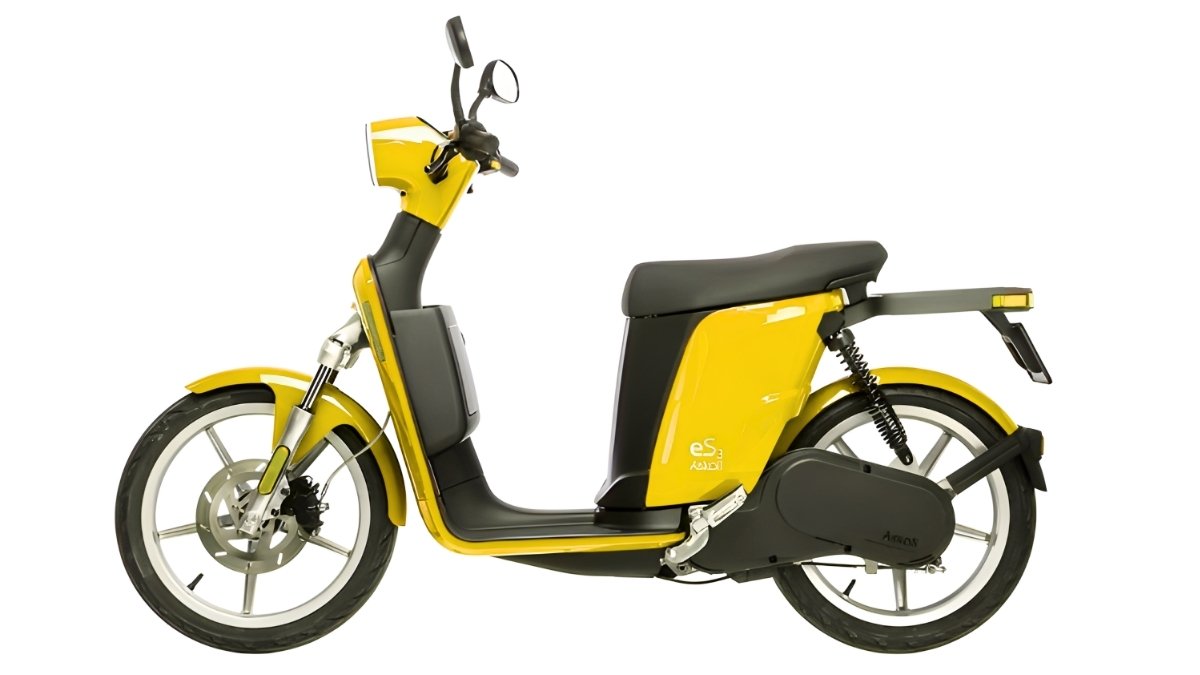
Electric Bike Innovation : The evolution of electric bikes continues to surprise with innovations that improve performance, safety, and sustainability. One of the latest breakthroughs is the use of a PBT/ASA blend for battery housings. This material choice is reshaping how manufacturers approach durability and efficiency, offering riders a more reliable and secure experience.
Understanding PBT and ASA
Polybutylene terephthalate (PBT) is a thermoplastic polymer known for its strength, rigidity, and resistance to heat. Acrylonitrile styrene acrylate (ASA) is another polymer valued for its weather resistance and toughness. When combined, these materials create a blend that is both durable and adaptable, making it ideal for demanding applications like electric bike batteries.
Why the Blend Matters
Traditional battery housings often rely on metals or less advanced plastics, which can be heavy or prone to wear. The PBT/ASA blend offers a lightweight yet strong alternative. It resists high temperatures, protects against impacts, and withstands exposure to sunlight and moisture. For electric bikes, this means longer battery life and reduced risk of damage during everyday use.
Safety Improvements
Safety is a critical concern in electric bike design. Batteries generate heat, and improper housing can lead to overheating or even fire hazards. The PBT/ASA blend provides excellent thermal stability, reducing the risk of heat-related issues. Its toughness also ensures that the battery remains protected in case of falls or collisions, giving riders peace of mind.
Performance Benefits
Beyond safety, the blend enhances overall performance. A lighter battery housing contributes to reduced bike weight, improving efficiency and handling. The material’s resistance to environmental factors ensures consistent performance across different climates, whether in hot summers or rainy conditions.
Sustainability Considerations
The use of advanced polymers like PBT and ASA aligns with the growing push for sustainable mobility. These materials are recyclable and designed for long-term use, reducing waste and supporting eco-friendly manufacturing practices. Electric bikes already represent a greener alternative to cars, and innovations like this strengthen their environmental credentials.
Impact on the Industry
The adoption of PBT/ASA blends could set a new standard in the e-bike industry. Manufacturers are constantly seeking ways to improve reliability and reduce maintenance costs, and this material offers a practical solution. As more companies embrace the blend, riders can expect safer and more durable electric bikes across different price ranges.
Rider Experience
For everyday cyclists, the benefits are tangible. A battery that is lighter, safer, and more durable translates into smoother rides and fewer worries. Commuters will appreciate the reliability, while enthusiasts will enjoy the performance boost. The blend ensures that the battery housing is not just a protective shell but an integral part of the bike’s overall design.
Future Outlook
The use of PBT/ASA blends is likely to expand beyond electric bikes. Other electric vehicles, from scooters to motorcycles, could adopt similar materials for their battery housings. This innovation represents a step toward safer and more efficient electric mobility, paving the way for broader acceptance of sustainable transport solutions.
Conclusion
The decision to use a PBT/ASA blend for electric bike batteries highlights how material science can drive progress in mobility. By combining strength, safety, and sustainability, this innovation enhances the riding experience and sets new benchmarks for the industry. Electric bikes are not just evolving in terms of speed and range; they are becoming smarter, safer, and more reliable thanks to advancements like these.