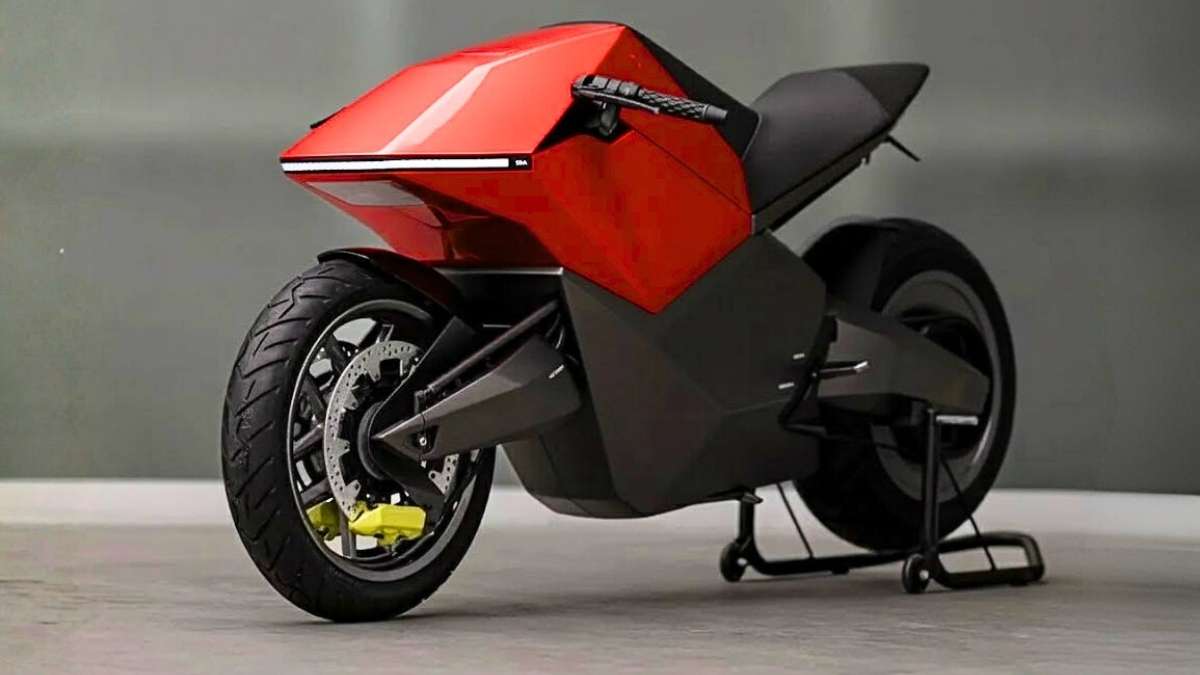
India’s electric vehicle industry has been witnessing rapid growth, with scooters leading the charge in urban mobility. However, the motorcycle segment has remained relatively untapped. Ola Electric, already a dominant player in the EV scooter market, is now preparing to enter this new territory with its first electric bike. Scheduled to hit Indian markets in FY2026, this launch is expected to reshape consumer expectations and accelerate the adoption of electric motorcycles across the country.
Ola Electric’s journey so far
Ola Electric began its journey with the S1 series of scooters, which quickly became popular among urban commuters. Combining affordability, smart technology, and sleek design, these scooters helped the company establish itself as a leader in India’s EV revolution. Ola’s large‑scale manufacturing facilities and aggressive expansion strategy have further strengthened its position. With the upcoming electric bike, Ola aims to extend its success into a new category and challenge traditional petrol‑powered motorcycles.
Why the FY2026 launch matters
The launch of Ola’s electric bike in FY2026 is significant because it represents a bold step into a market that has long been dominated by conventional motorcycles. For many riders in India, motorcycles are more than just a mode of transport; they are symbols of freedom, performance, and identity. By introducing an electric alternative, Ola is attempting to prove that e‑bikes can deliver the same thrill and reliability while offering sustainability and lower running costs.
Expected features and performance
Although official specifications have not yet been released, industry experts anticipate that the Ola electric bike will include:
- A top speed competitive with mid‑range petrol motorcycles.
- Advanced battery technology with extended range per charge.
- Fast charging capabilities to reduce downtime.
- Smart connectivity features such as ride analytics, navigation, and diagnostics.
- A sporty design with aggressive styling to appeal to younger riders.
These features would position the bike as a serious contender in the performance motorcycle segment, attracting riders who value speed, innovation, and eco‑friendly technology.
Market positioning
The Indian two‑wheeler market is diverse, ranging from affordable commuter scooters to premium motorcycles. Ola has chosen to focus on the premium segment with its electric bike, targeting urban riders and enthusiasts who are willing to pay more for performance and innovation. By carving out this niche, Ola aims to differentiate itself from competitors like Ather Energy, Revolt Motors, and traditional motorcycle brands that are slowly entering the EV space.
Consumer expectations
Indian riders are eager to see whether Ola’s electric bike can match the performance of popular petrol motorcycles. Expectations include competitive pricing, robust build quality, and reliable after‑sales service. Many consumers also hope for government incentives that make the transition to electric mobility more affordable. The success of the launch will depend not only on the bike’s technical specifications but also on how well Ola addresses these expectations and builds trust among riders.
Challenges ahead
Despite the excitement, Ola faces several challenges. Charging infrastructure in India is still developing, with limited availability outside major cities. High upfront costs remain a barrier for many potential buyers. Additionally, the motorcycle market is highly competitive, with established brands offering decades of trust and reliability. Ola will need to differentiate itself through innovation, marketing, and customer engagement. Ensuring consistent quality and service will be critical to winning over skeptical riders.
Impact on India’s EV industry
The launch of Ola’s electric bike could have a transformative impact on India’s EV industry. If successful, it may inspire other manufacturers to accelerate their own electric motorcycle projects. It could also encourage greater investment in charging infrastructure and battery technology. Most importantly, it may shift consumer perceptions, proving that electric motorcycles are not just eco‑friendly alternatives but also high‑performance machines capable of delivering excitement and reliability.
Environmental significance
Beyond performance, the new electric bike represents a step toward reducing carbon emissions and dependence on fossil fuels. Electric motorcycles produce zero tailpipe emissions, contributing to cleaner air in urban areas. With India facing significant challenges related to pollution and climate change, the adoption of electric mobility is critical. Ola’s gamble aligns with broader national goals of promoting sustainable transportation and reducing greenhouse gas emissions.
Global ambitions
While the immediate focus is on the Indian market, Ola has hinted at ambitions to expand globally. The electric bike could serve as a showcase product for international markets, demonstrating that Indian startups can compete with global players in the electric mobility space. If successful, the launch could open doors to partnerships, exports, and collaborations that strengthen India’s position in the global EV industry.
Conclusion
The anticipated launch of Ola’s electric bike in FY2026 marks a bold gamble by the company as it enters the nascent world of electric motorcycles in India. By combining performance, innovation, and sustainability, Ola aims to challenge traditional perceptions and set new benchmarks for the industry. While challenges remain, the potential impact on consumer attitudes, the environment, and the broader EV ecosystem is immense. For riders seeking the thrill of speed with the responsibility of sustainability, Ola’s electric bike may well be the turning point that redefines India’s motorcycle culture.