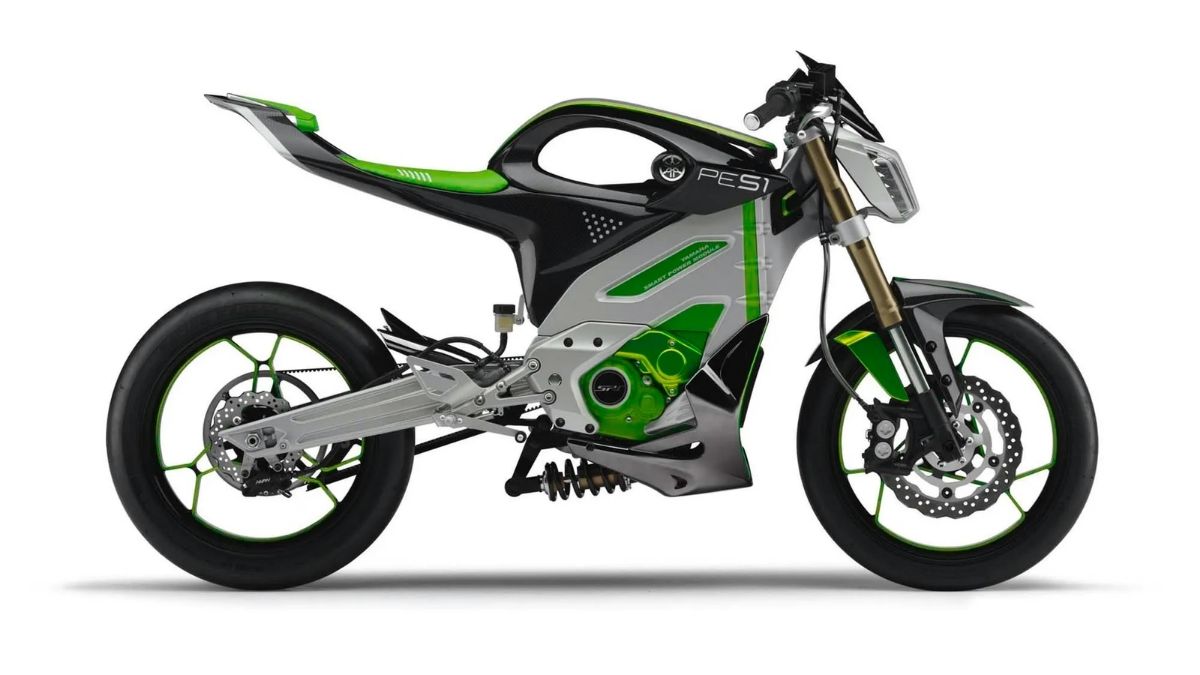
Yamaha has always been a pioneer in innovation, and with the announcement of the PES1 and PED1 electric motorcycles, the brand set a new milestone in the industry. These models, first revealed as concepts, were scheduled to roll out by 2016, marking Yamaha’s entry into the electric motorcycle segment. Designed with futuristic styling and advanced technology, the PES1 and PED1 were created to redefine urban mobility and performance.
Design and styling
The PES1 and PED1 stand out for their sleek and modern design. The PES1 carries a sporty look, with sharp lines and a lightweight frame that appeals to riders who enjoy speed and agility. The PED1, on the other hand, is more off-road oriented, with a rugged build and features that make it suitable for adventurous terrain. Both models showcase Yamaha’s commitment to combining aesthetics with functionality.
Electric motor and performance
At the heart of these motorcycles lies an electric motor designed to deliver smooth acceleration and efficient performance. The PES1 is tailored for city commuting and sporty rides, offering quick response and agility in traffic. The PED1 focuses on durability and torque, making it ideal for off-road conditions. Together, they demonstrate Yamaha’s versatility in adapting electric technology to different riding styles.
Range and efficiency
One of the most important aspects of electric motorcycles is their range. Yamaha designed the PES1 and PED1 to provide practical autonomy for daily use. While exact figures varied depending on riding conditions, both models were expected to deliver sufficient mileage for urban commutes and recreational rides. Their efficiency was enhanced by lightweight construction and optimized battery management systems.
Colours and customization
Yamaha introduced these electric bikes with a modern palette of colours, reflecting their futuristic identity. The PES1 leaned towards sporty shades like metallic silver and bold blue, while the PED1 offered more rugged tones such as matte black and earthy finishes. Riders could personalize their motorcycles to match their style, reinforcing the appeal of these models.
Images and visual appeal
Official images of the PES1 and PED1 highlighted their futuristic design. The PES1’s streamlined body and aggressive stance made it look like a machine built for speed, while the PED1’s robust frame and off-road details emphasized adventure. Both models captured attention not only for their performance but also for their striking visual presence.
Technology and innovation
The PES1 and PED1 integrated advanced features such as digital displays, lightweight modular frames and removable battery packs. These innovations made them practical for everyday use and easy to maintain. Yamaha’s focus on modularity allowed riders to adapt the bikes to different needs, whether for commuting or off-road exploration.
Market impact
The launch of the PES1 and PED1 marked Yamaha’s serious entry into the electric motorcycle market. At a time when sustainability and eco-friendly transport were becoming priorities, these models showcased Yamaha’s vision for the future. Their introduction influenced other manufacturers to accelerate their electric projects, contributing to the growth of the segment.
Comparison with traditional models
Compared to Yamaha’s traditional petrol-powered motorcycles, the PES1 and PED1 offered a quieter, cleaner and more efficient alternative. While they did not aim to replace high-performance models like the R-series, they provided a glimpse into how electric technology could coexist with Yamaha’s legacy of speed and power.
Expert opinions
Motorcycle experts praised Yamaha for its bold step into electric mobility. The PES1 was seen as a promising option for urban riders, while the PED1 attracted attention from off-road enthusiasts. Analysts highlighted the importance of Yamaha’s innovation in shaping the future of motorcycles, noting that these models combined practicality with cutting-edge design.
Conclusion
The Yamaha PES1 and PED1 electric motorcycles represented a turning point in the industry. With futuristic styling, efficient performance and practical range, they were designed to meet the demands of modern riders while promoting sustainable mobility. More than just electric bikes, they symbolized Yamaha’s vision of combining tradition with innovation, offering a glimpse into the exciting future of motorcycling.