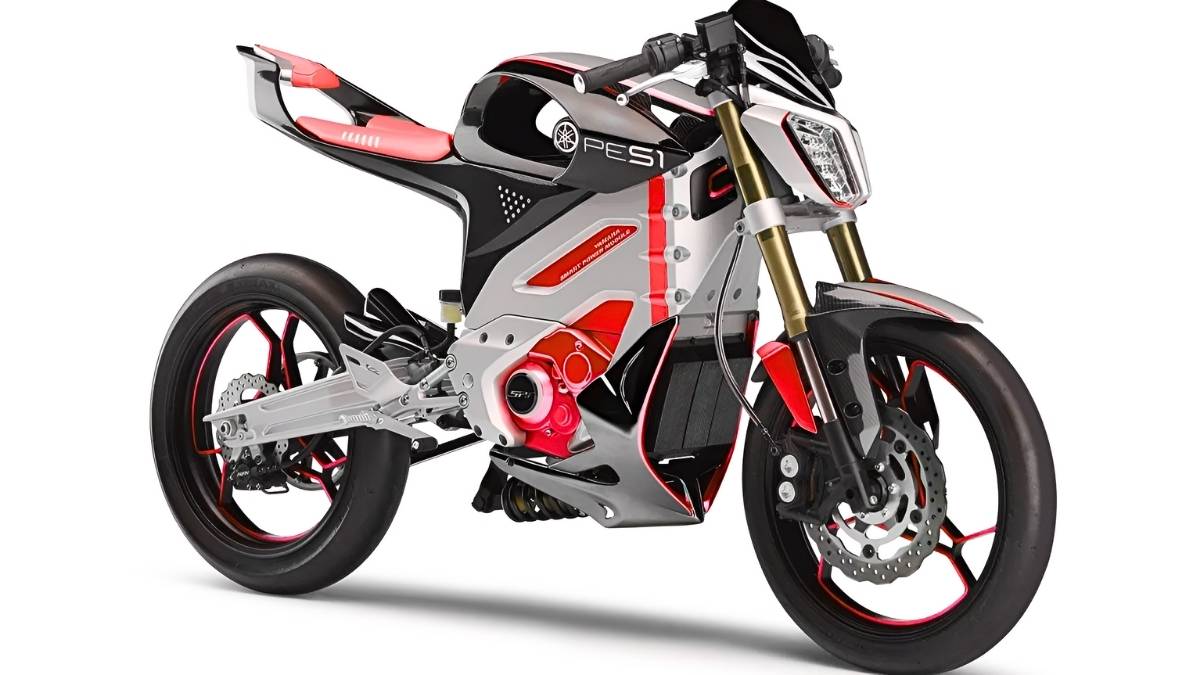
Yamaha, a company known for its long-standing reputation in the world of motorcycles, is stepping firmly into the electric vehicle market. The Japanese manufacturer has recently announced plans to produce two exciting new electric bikes: the PES1 sports bike and the PED1 dirt bike. These models mark a significant step for Yamaha as it aims to combine performance, innovation, and sustainability in its future lineup.
The Rise of Electric Motorcycles
Over the past decade, electric motorcycles have seen a steady increase in popularity. Riders are increasingly looking for environmentally friendly alternatives without sacrificing speed, style, or performance. Electric motorcycles offer instant torque, lower maintenance, and quieter operation compared to traditional internal combustion engines. As cities and countries tighten emissions regulations, companies like Yamaha are responding with high-performance electric options to meet growing demand.
Yamaha PES1 Electric Sports Bike
The PES1 represents Yamaha’s vision of the future for sports motorcycles. Designed with sleek aesthetics and aerodynamics in mind, the PES1 aims to deliver a thrilling riding experience. Early details suggest that the PES1 will feature advanced battery technology to provide a long-range ride while keeping the weight manageable. This will allow riders to enjoy extended trips without worrying about frequent recharging.
Performance is a critical aspect of any sports bike, and Yamaha intends to make the PES1 no exception. The bike is expected to have rapid acceleration, responsive handling, and state-of-the-art electronics that enhance safety and rider experience. Features such as regenerative braking, customizable riding modes, and a digital dashboard are likely to be included, aligning with trends seen in modern electric motorcycles.
Yamaha PED1 Electric Dirt Bike
For off-road enthusiasts, Yamaha is also introducing the PED1, an electric dirt bike designed to handle rough terrain with ease. Electric dirt bikes have gained attention for their quiet operation and torque delivery, which can be advantageous in trails and motocross tracks. The PED1 is expected to offer lightweight construction, powerful electric motors, and durable suspension to tackle jumps, mud, and rocky paths efficiently.
Yamaha’s experience in motocross racing is expected to influence the PED1’s design and performance. Riders can likely expect precise handling, responsive throttle control, and a robust battery system that can endure extended off-road adventures. Additionally, electric dirt bikes like the PED1 reduce environmental impact in sensitive trail areas, making them an attractive option for eco-conscious riders.
Technological Innovations and Features
Both the PES1 and PED1 are expected to showcase Yamaha’s commitment to innovation. Advanced battery management systems, lightweight frames, and efficient electric motors are likely to be core components of these bikes. Yamaha has also hinted at smart connectivity features, allowing riders to monitor battery status, ride data, and even receive software updates over-the-air.
Safety remains a priority, with features such as traction control, anti-lock braking systems, and adaptive lighting expected to be integrated. By combining performance with technology, Yamaha is aiming to appeal to both traditional motorcyclists and a new generation of electric bike enthusiasts.
Yamaha’s Strategy in the Electric Market
Yamaha’s introduction of the PES1 and PED1 is part of a broader strategy to strengthen its presence in the electric motorcycle segment. As more manufacturers enter the electric vehicle market, Yamaha seeks to differentiate itself by leveraging decades of engineering expertise, brand reputation, and commitment to high-performance motorcycles.
The move also reflects a growing global trend toward sustainable transportation. With cities imposing stricter emissions standards and governments offering incentives for electric vehicles, Yamaha’s investment in electric bikes positions it well for future growth. By addressing both street and off-road markets, the company ensures a wider reach and appeal to diverse riders.
Environmental Impact and Benefits
Electric motorcycles like the PES1 and PED1 contribute to a reduction in greenhouse gas emissions and noise pollution. Unlike conventional bikes, electric models do not rely on fossil fuels, which helps reduce air pollution in urban areas. Additionally, lower mechanical complexity means fewer oil changes and maintenance needs, resulting in long-term cost savings for owners.
For riders, the quiet operation of electric bikes also enhances the overall experience, allowing a closer connection with nature on off-road trails or an easier commute in busy cities. Yamaha’s commitment to sustainability through these electric models aligns with a global shift toward greener mobility solutions.
Market Expectations and Future Outlook
While Yamaha has not released full specifications or pricing for the PES1 and PED1, industry experts anticipate strong interest from both urban commuters and adventure riders. The combination of performance, innovative technology, and environmental benefits makes these bikes appealing to a wide audience.
As electric motorcycle technology continues to evolve, Yamaha is likely to expand its electric lineup further, introducing more models in different segments. The PES1 and PED1 could serve as flagship models, setting the standard for future electric motorcycles from the brand.
Conclusion
Yamaha’s announcement of the PES1 sports bike and PED1 dirt bike signals an exciting era for the company and electric motorcycle enthusiasts alike. By combining performance, technology, and sustainability, Yamaha is positioning itself at the forefront of the electric motorcycle revolution. Riders can look forward to a new generation of bikes that offer thrilling experiences on both roads and trails while embracing environmentally friendly solutions. These new models are more than just motorcycles; they represent a vision for the future of riding.