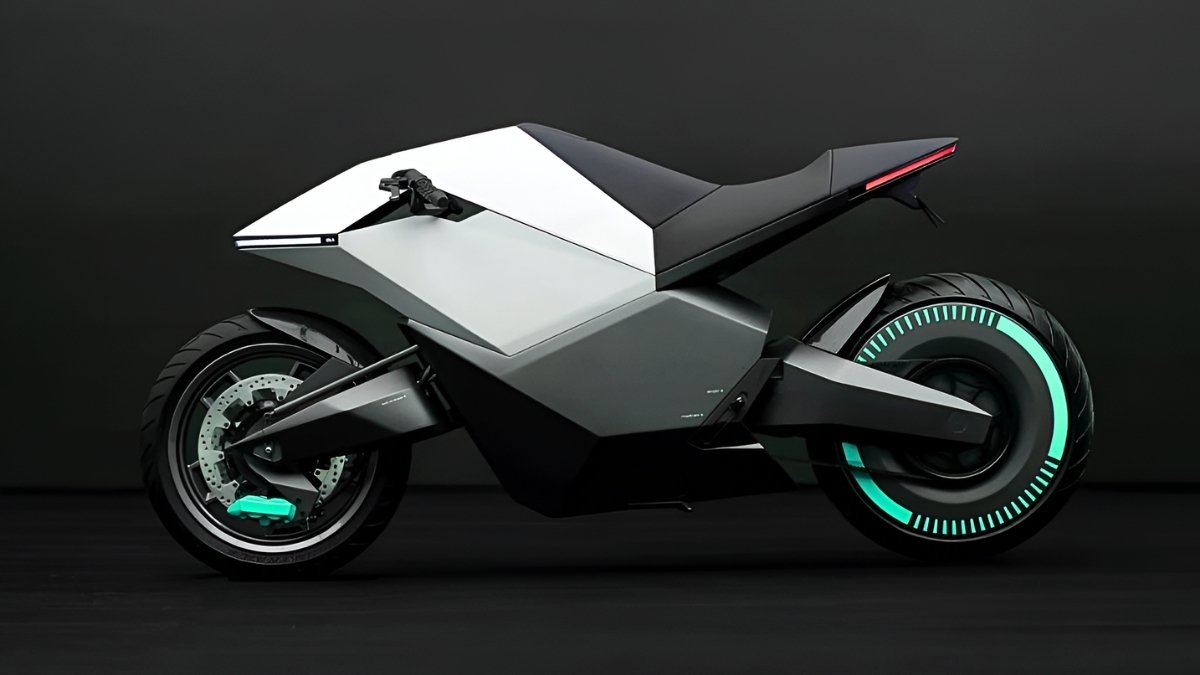
Ola Electric has officially confirmed that it will launch its first electric motorcycle in India in FY2026, marking a major milestone in the company’s expansion beyond electric scooters. This announcement has generated strong excitement across the Indian automotive and EV communities, as Ola Electric aims to challenge traditional motorcycle manufacturers with a new generation of electric two-wheelers. With this move, Ola is preparing to reshape the premium and mass-market motorcycle segments.
Ola Electric’s Journey So Far
Since entering the Indian market, Ola Electric has quickly established itself as a major player in the electric mobility space. The success of its electric scooters, especially in urban markets, has demonstrated strong consumer demand for technology-driven, software-focused EVs. Ola’s aggressive pricing, wide feature set, and large-scale manufacturing have helped it gain market share in a competitive environment.
The confirmation of an electric motorcycle signals the next phase of Ola Electric’s long-term strategy. The company has repeatedly stated its ambition to become a full-range electric mobility brand, and motorcycles are a natural progression given India’s deep-rooted two-wheeler culture.
Why FY2026 Is a Strategic Timeline
Launching the electric motorcycle in FY2026 allows Ola Electric sufficient time to develop a robust product that meets performance, range, and safety expectations. Motorcycles demand higher power, better stability, and more advanced engineering compared to scooters. By taking a measured approach, Ola can ensure its motorcycle platform is reliable and competitive from day one.
This timeline also aligns with improvements in battery technology and charging infrastructure across India. By FY2026, faster charging solutions, better battery costs, and stronger public charging networks are expected to be more widespread, making electric motorcycles more practical for long-distance and highway use.
What to Expect from Ola’s Electric Motorcycle
While Ola Electric has not yet revealed official specifications, industry insights suggest the motorcycle will focus on performance, design, and smart technology. Unlike scooters, electric motorcycles need to appeal to riders who value speed, handling, and road presence.
Ola’s electric motorcycle is expected to feature a powerful electric motor capable of delivering quick acceleration and competitive top speeds. A larger battery pack with extended range is also likely, ensuring the motorcycle can handle daily commutes as well as longer weekend rides. Advanced software integration, including ride modes and connectivity features, could further differentiate it from traditional petrol-powered bikes.
Design and Riding Experience
Ola Electric has already showcased futuristic motorcycle concepts in the past, hinting at bold and modern design language. The production version may retain many of these elements while adapting them for real-world practicality.
Ergonomics will play a key role in the motorcycle’s success. A comfortable riding posture, balanced weight distribution, and refined suspension setup will be essential to attract a wide range of riders. Ola is expected to focus on smooth power delivery and stable handling, ensuring that the electric motorcycle feels both exciting and approachable.
Technology and Smart Features
One area where Ola Electric is likely to excel is technology. The company has consistently emphasized software-driven experiences in its scooters, and the motorcycle is expected to follow the same philosophy. Features such as digital instrument clusters, smartphone connectivity, navigation, and over-the-air updates could be standard offerings.
Safety technology may also receive attention. Traction control, regenerative braking, and advanced ride assistance features could help improve rider confidence, especially for those transitioning from petrol motorcycles to electric ones.
Manufacturing and Localization
Ola Electric’s large manufacturing facility in India gives it a strong advantage when it comes to scaling production. Local manufacturing allows better cost control and faster adaptation to market needs. For the electric motorcycle, Ola is likely to continue focusing on localization of components, including battery packs and chassis parts.
This approach could help keep pricing competitive while ensuring consistent supply and after-sales support. Localization also supports government initiatives promoting domestic manufacturing and electric mobility.
Competition in the Electric Motorcycle Segment
By FY2026, the electric motorcycle segment in India is expected to be more competitive than it is today. Several startups and established brands are already working on electric motorcycles, targeting different price points and use cases.
Ola Electric’s strength lies in its brand visibility, manufacturing scale, and digital-first approach. However, it will need to deliver strong performance and reliability to compete with traditional motorcycle brands that have decades of experience. Pricing will also be a key factor, as Indian consumers are highly value-conscious.
Impact on the Indian EV Market
The launch of an Ola electric motorcycle could significantly influence the broader EV ecosystem in India. Motorcycles account for a large portion of two-wheeler sales, especially in semi-urban and rural areas. A successful electric motorcycle could accelerate EV adoption beyond city limits.
It could also encourage other manufacturers to speed up their electric motorcycle plans, leading to more options for consumers. Increased competition often results in better products, improved infrastructure, and more affordable pricing.
Consumer Expectations and Market Readiness
Indian riders are becoming more open to electric two-wheelers, but motorcycles present unique challenges. Concerns about range, charging time, and highway performance remain important considerations. Ola Electric will need to address these concerns through thoughtful design, clear communication, and strong customer support.
Brand trust will play a crucial role. If Ola can demonstrate that its electric motorcycle is reliable, safe, and enjoyable to ride, it could win over a new generation of riders looking for cleaner alternatives to petrol bikes.
Conclusion
The confirmation of Ola Electric’s motorcycle launch in FY2026 marks an important step in India’s electric mobility journey. By entering the motorcycle segment, Ola is expanding its vision beyond urban scooters and aiming to redefine how Indians experience two-wheelers.
With sufficient development time, advanced technology, and large-scale manufacturing capabilities, Ola Electric has the potential to make a strong impact. If executed well, the upcoming electric motorcycle could become a key product that bridges performance, sustainability, and innovation, shaping the future of two-wheeler mobility in India.