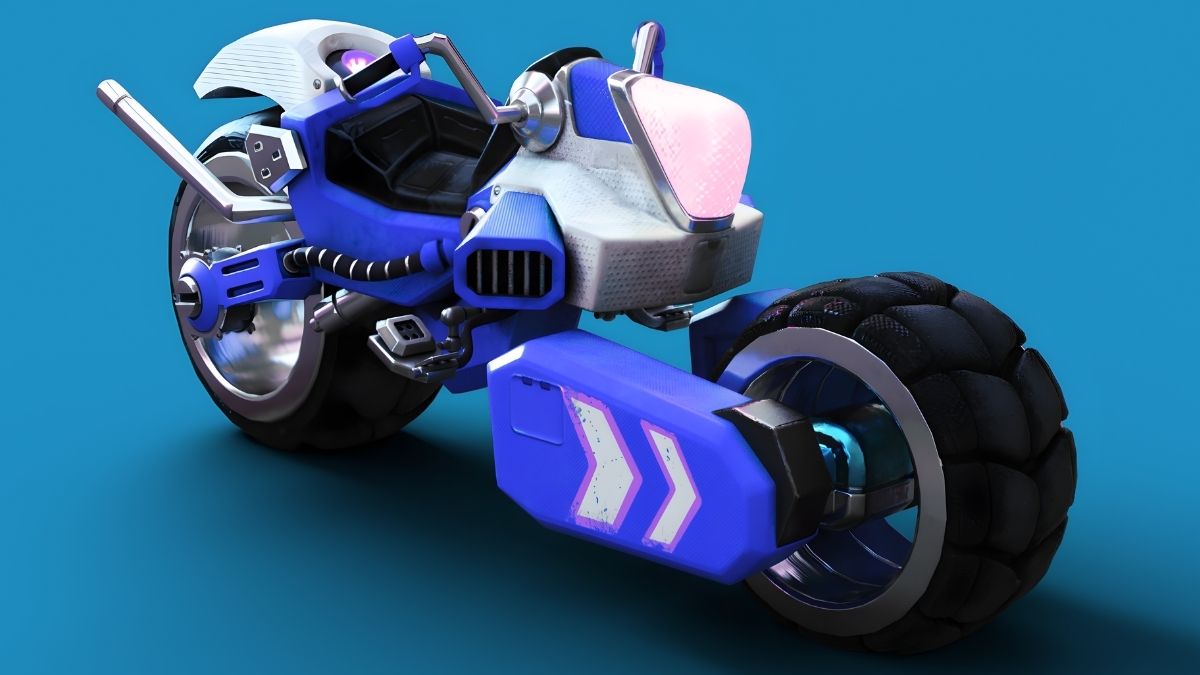
The concept of futurism in art and design has always fascinated audiences, offering glimpses into what lies ahead and challenging traditional boundaries. Maciej Górnicki, a contemporary creative mind, embodies this spirit through his futuristic vision. His work is not confined to one medium or discipline; instead, it explores the intersection of technology, imagination, and human experience. This article delves into the essence of Górnicki’s futuristic approach, examining his inspirations, techniques, and the impact of his creations.
The Meaning of Futuristic in Art
Futurism is more than sleek lines and metallic surfaces. It is a philosophy that embraces innovation, speed, and transformation. For Górnicki, the futuristic style represents a way of thinking that constantly evolves. His work reflects the idea that art should not only capture the present but also anticipate the future. By blending abstract elements with modern design principles, he creates pieces that feel both timeless and forward-looking.
Inspirations Behind the Vision
Every artist draws from a reservoir of influences, and Górnicki is no exception. His futuristic style is inspired by architecture, industrial design, and digital culture. The rise of smart cities, artificial intelligence, and virtual reality has shaped his imagination, pushing him to explore how these technologies can be translated into visual art. He often references the speed of modern life and the constant flow of information as themes that define his creative direction.
Techniques and Style
Górnicki’s futuristic works are characterized by sharp contrasts, geometric patterns, and dynamic compositions. He often experiments with light and shadow to create depth, while metallic tones and vibrant colors add a sense of energy. His sketches and digital renderings highlight precision, yet they also leave room for abstraction, allowing viewers to interpret the work in their own way. This balance between structure and imagination is what makes his style distinctive.
The Role of Technology
Technology plays a central role in Górnicki’s futuristic vision. He embraces digital tools not as replacements for traditional methods but as extensions of creativity. Software for 3D modeling, virtual environments, and digital sketching allows him to push boundaries and explore new dimensions. His work demonstrates how technology can enhance artistic expression, offering possibilities that were unimaginable in the past. By integrating these tools, he bridges the gap between art and innovation.
Futuristic Themes in His Work
Several recurring themes define Górnicki’s futuristic approach. Movement and speed are often represented through flowing lines and dynamic shapes. Transformation is another key element, with designs that seem to evolve before the viewer’s eyes. He also explores the relationship between humans and machines, reflecting on how technology influences identity and culture. These themes resonate with audiences who live in a world where change is constant and the future feels closer than ever.
Audience and Reception
The futuristic style appeals to a wide range of audiences, from art enthusiasts to technology lovers. Górnicki’s work has been praised for its ability to capture the essence of modern life while offering a vision of what lies ahead. Viewers often describe his pieces as thought-provoking, inspiring them to reflect on their own relationship with technology and the future. His exhibitions attract diverse crowds, creating a space where art and innovation meet.
Futuristic Design Beyond Art
Górnicki’s vision extends beyond traditional art forms. His futuristic concepts influence design, architecture, and even fashion. The sleek lines and bold patterns of his work can be applied to product design, creating objects that feel modern and functional. In architecture, his ideas inspire spaces that are both aesthetically pleasing and technologically advanced. This versatility demonstrates how futuristic art can shape multiple aspects of contemporary culture.
Challenges of Futuristic Art
Creating futuristic art is not without challenges. One of the main difficulties lies in balancing imagination with practicality. While it is tempting to envision worlds far beyond reality, the artist must ensure that the work remains relatable. Górnicki navigates this challenge by grounding his futuristic visions in familiar themes, such as human emotion and cultural identity. This approach allows his work to resonate with audiences while still pushing creative boundaries.
Future Directions
Looking ahead, Górnicki continues to explore new possibilities within the futuristic style. He envisions projects that incorporate interactive elements, allowing viewers to engage directly with the art. Virtual reality installations, augmented reality experiences, and digital exhibitions are among the directions he is considering. These innovations will not only expand the reach of his work but also redefine how audiences experience art in the digital age.
Conclusion
Maciej Górnicki’s futuristic vision is a testament to the power of creativity in shaping our understanding of the future. His work blends technology, imagination, and cultural themes to create art that is both innovative and meaningful. By embracing the philosophy of futurism, he challenges audiences to look beyond the present and imagine what lies ahead. The Motorcycle Sketch Wall celebrated machines as art, but Górnicki’s Futuristic approach celebrates the future itself as a canvas. His journey reminds us that art is not only about reflecting reality but also about envisioning possibilities, inspiring us to dream of worlds yet to come.