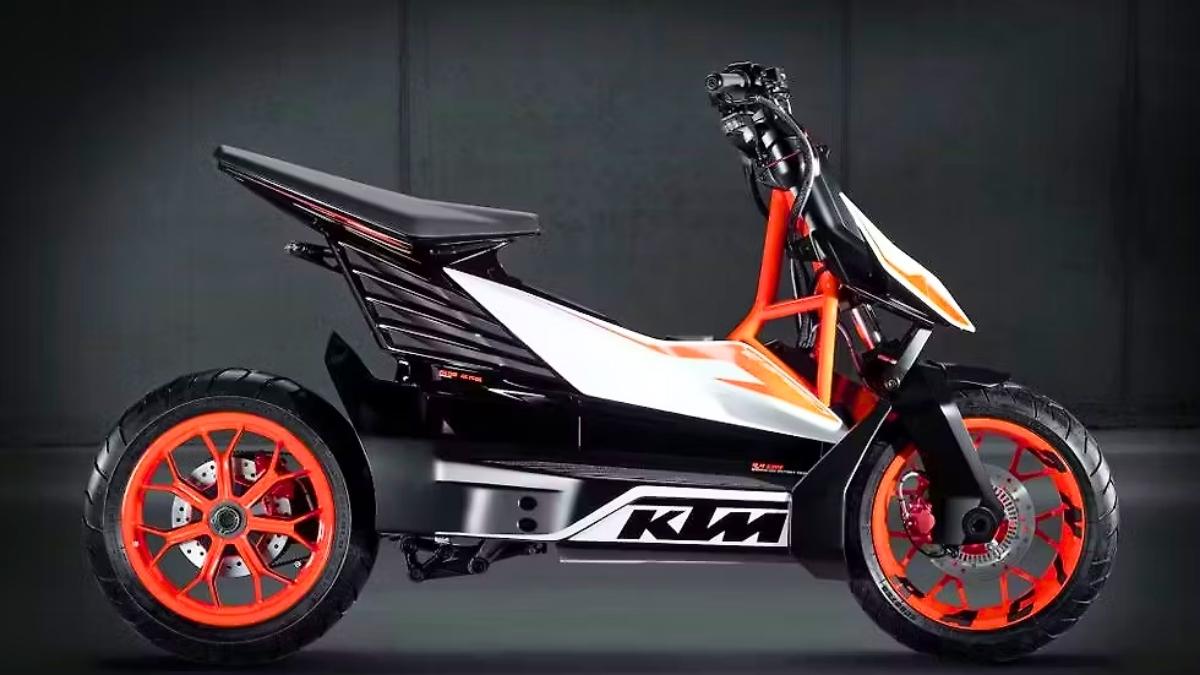
KTM electric scooter launch : KTM has long been recognized for its aggressive motorcycles and strong presence in the performance segment. With the global shift toward electric mobility, many enthusiasts expected KTM to join the race with an electric scooter. However, recent developments suggest that the launch of a KTM electric scooter is unlikely in the near future. This article explores the reasons behind this decision, the challenges KTM faces, and the broader impact on the electric vehicle market.
KTM’s Brand Identity
KTM has built its reputation on high-performance motorcycles, particularly in off-road and racing categories. The brand’s identity revolves around speed, adrenaline, and rugged design. Introducing an electric scooter, which is often associated with urban commuting and practicality, may not align with KTM’s core image. This mismatch could dilute the brand’s positioning in the eyes of its loyal customers.
Market Competition
The electric scooter market is already crowded with strong competitors such as Ather, Ola Electric, Bajaj, and TVS in India, as well as global players like Vespa and NIU. These companies have established themselves with affordable, reliable, and stylish scooters. For KTM, entering this space would require significant investment and differentiation, which may not guarantee success given the dominance of existing brands.
Technological Challenges
Developing an electric scooter that meets KTM’s performance standards is a major challenge. KTM is known for powerful engines and advanced suspension systems. Translating this into an electric format requires cutting-edge battery technology, efficient motors, and lightweight materials. Current limitations in battery density and charging infrastructure make it difficult to deliver the kind of performance KTM riders expect.
Strategic Focus on Motorcycles
Instead of scooters, KTM appears to be focusing its resources on electric motorcycles. This strategy aligns better with its brand identity and customer base. Electric motorcycles allow KTM to maintain its performance-oriented image while still embracing sustainability. By prioritizing motorcycles over scooters, KTM can leverage its expertise and avoid stretching its brand into unfamiliar territory.
Consumer Expectations
KTM riders typically seek thrill and adventure rather than simple commuting solutions. An electric scooter may not appeal to this demographic, who value speed, handling, and aggressive styling. While scooters are popular among urban commuters, KTM’s audience is more inclined toward sports bikes and off-road machines. Catering to this expectation is crucial for maintaining brand loyalty.
Financial Considerations
Launching an electric scooter requires heavy investment in research, development, and infrastructure. KTM would need to establish charging networks, service centers, and supply chains for batteries. Given the uncertainties in demand and profitability, the company may prefer to wait until the market matures further before committing resources to scooters.
Global Market Trends
Globally, electric scooters are gaining traction in Asia and Europe, where urban commuting is a priority. However, in markets like North America, motorcycles and larger electric vehicles dominate consumer interest. KTM’s global strategy may therefore prioritize electric motorcycles and adventure bikes, which have broader appeal across different regions.
Impact on the Industry
The absence of KTM in the electric scooter segment leaves room for other brands to strengthen their position. Competitors can capitalize on KTM’s decision by expanding their offerings and capturing more market share. At the same time, KTM’s focus on electric motorcycles could push innovation in that segment, raising the bar for performance-oriented EVs.
Future Possibilities
Although the launch of a KTM electric scooter seems unlikely now, the future remains open. As battery technology improves and consumer demand shifts, KTM may reconsider its stance. A premium electric scooter with KTM’s design language and performance DNA could eventually find a niche market among enthusiasts who want both style and sustainability.
Conclusion
KTM’s decision to avoid launching an electric scooter highlights the importance of brand identity, market dynamics, and technological readiness. While scooters dominate the urban EV landscape, KTM’s strength lies in motorcycles and performance machines. By focusing on electric motorcycles, KTM stays true to its heritage while preparing for a sustainable future. For now, the electric scooter market will continue to grow without KTM, but the company’s innovations in electric motorcycles may set new standards in the industry.