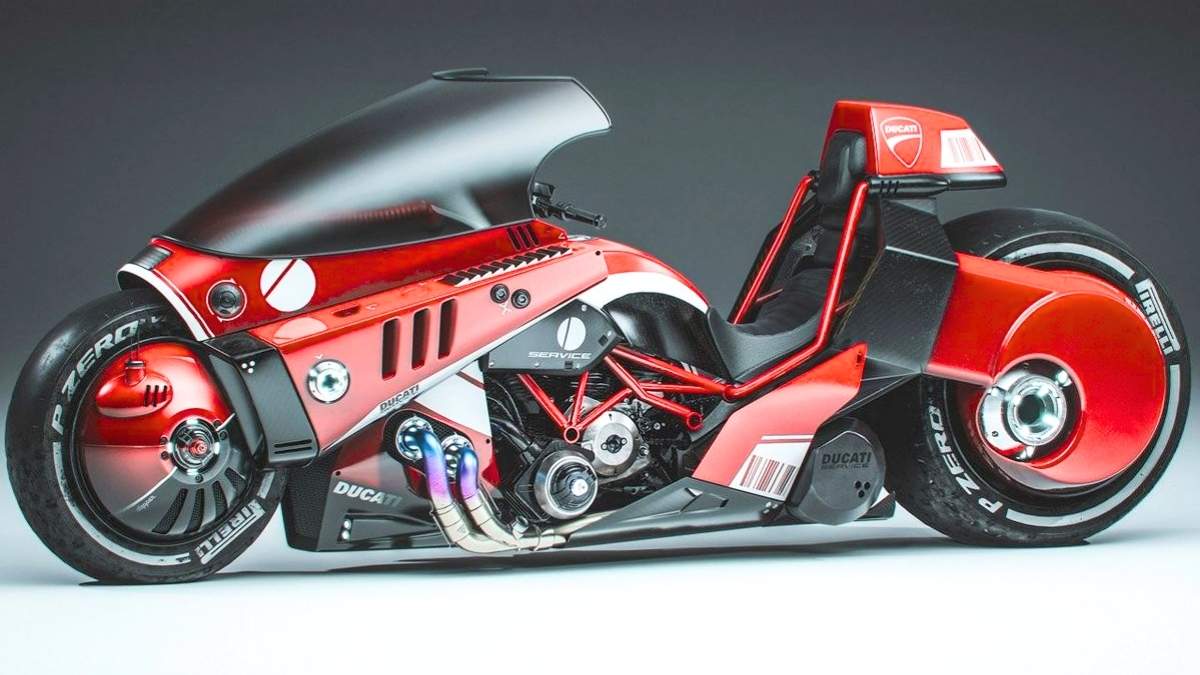
The motorcycle industry has always been a space where innovation meets passion. Kawasaki, one of the most respected names in the world of two-wheelers, has consistently pushed boundaries with its designs and technology. The Kawasaki J Concept is a striking example of how the brand envisions the future of mobility. Presented as a multi-purpose electric vehicle, it combines futuristic aesthetics with advanced engineering to deliver a machine that is both practical and thrilling.
A Visionary Design
The Kawasaki J Concept is unlike any motorcycle seen before. Its design is futuristic, almost resembling something out of science fiction. The three-wheel layout immediately sets it apart from traditional motorcycles, offering a unique blend of stability and agility. The bodywork is sleek and aerodynamic, with sharp lines that emphasize speed and innovation. The adjustable riding position allows the bike to transform depending on the rider’s needs, making it versatile for both relaxed cruising and aggressive sport riding.
Multi-Purpose Functionality
What makes the J Concept truly revolutionary is its ability to adapt to different riding scenarios. Kawasaki has designed the bike to switch between two distinct modes. In Comfort Mode, the rider sits in a relaxed position, ideal for city commuting or longer journeys. In Sport Mode, the bike lowers its stance, bringing the rider closer to the ground and enhancing control for high-performance riding. This dual nature makes the J Concept a multi-purpose machine, capable of satisfying diverse riding preferences.
Electric Powertrain and Performance
At the core of the Kawasaki J Concept is its electric powertrain. Kawasaki has embraced the shift toward sustainable mobility by equipping the J Concept with a high-performance electric motor. The instant torque provided by electric technology ensures rapid acceleration, while the battery system is designed to deliver sufficient range for everyday use. The quiet operation of the motor adds to the futuristic feel, allowing riders to experience speed without the roar of a combustion engine.
Riding Experience and Handling
The three-wheel configuration of the J Concept offers a unique riding experience. It provides enhanced stability compared to traditional motorcycles, making it safer and more accessible for riders of different skill levels. The bike’s ability to lean into corners like a conventional motorcycle ensures that the thrill of riding is not compromised. Suspension and steering systems are engineered to deliver precision, giving riders confidence whether they are navigating urban streets or tackling winding roads.
Sustainability and Environmental Responsibility
The Kawasaki J Concept is not just about performance; it is also about responsibility. By adopting an electric powertrain, Kawasaki has created a vehicle that produces zero emissions. This aligns with global efforts to reduce carbon footprints and combat climate change. The J Concept allows riders to enjoy the freedom of motorcycling while contributing to a cleaner environment. Its quiet operation also reduces noise pollution, making it more harmonious with urban living.
Technology and Innovation
Kawasaki has integrated advanced technology into the J Concept to enhance the rider’s experience. The bike features a futuristic digital interface that provides real-time information on speed, battery status, and riding mode. Connectivity options allow riders to customize settings and monitor performance through smart devices. The adaptive design of the bike, which changes its form depending on the mode selected, is a testament to Kawasaki’s commitment to innovation.
Comparison with Traditional Motorcycles
The Kawasaki J Concept challenges the conventional idea of what a motorcycle should be. Traditional bikes rely on combustion engines and fixed designs, while the J Concept introduces flexibility and sustainability. Its ability to switch between comfort and sport modes makes it more versatile than most motorcycles. While purists may miss the sound and feel of a gasoline engine, the J Concept offers a new kind of excitement rooted in futuristic technology and environmental consciousness.
Accessibility and Rider Appeal
The J Concept is designed to appeal to a wide range of riders. Beginners will appreciate the stability offered by the three-wheel layout, while experienced riders will enjoy the agility and performance in Sport Mode. Its futuristic design also makes it attractive to younger riders who are drawn to innovation and sustainability. Kawasaki has positioned the J Concept as a machine that bridges generations, appealing to both traditional enthusiasts and forward-thinking riders.
Market Impact and Future Prospects
The introduction of the Kawasaki J Concept signals a shift in the motorcycle industry. As electric mobility becomes more mainstream, concepts like this pave the way for future production models. Kawasaki’s bold vision demonstrates that electric motorcycles can be exciting, versatile, and practical. The J Concept may inspire other manufacturers to explore similar designs, accelerating the transition toward sustainable mobility.
Nostalgia Meets Futurism
For Kawasaki fans, the J Concept represents both continuity and change. It retains the brand’s commitment to performance and innovation while embracing futuristic design and electric technology. This balance between nostalgia and futurism makes the J Concept a symbol of Kawasaki’s ability to evolve without losing its identity.
Conclusion
The Kawasaki J Concept is more than just a motorcycle; it is a vision of the future. With its multi-purpose functionality, electric powertrain, and groundbreaking design, it redefines what riders can expect from a two-wheeled machine. Kawasaki has successfully created a concept that excites, inspires, and challenges the norms of motorcycling. The J Concept is not only a step toward sustainable mobility but also a bold statement that the thrill of riding will continue to evolve in new and exciting ways.