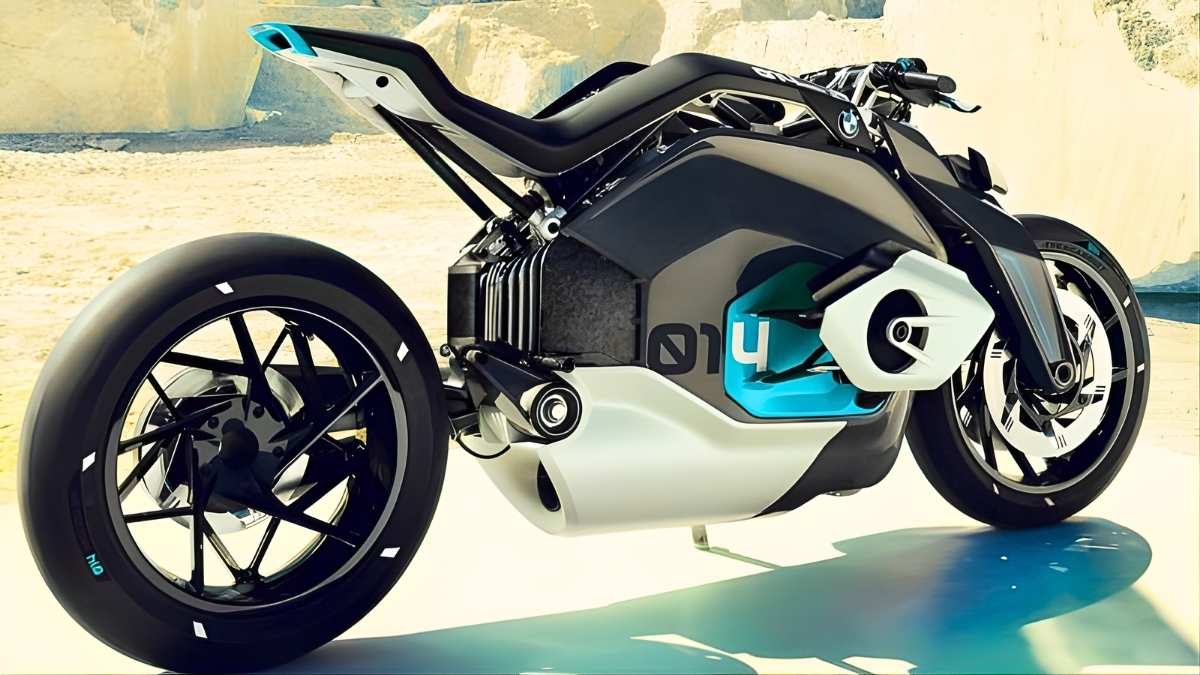
The motorcycle industry is undergoing a profound transformation as electric mobility becomes the new frontier of innovation. BMW, a brand synonymous with engineering excellence and premium design, is preparing to take a bold step forward with the introduction of its DC and CE electric motorcycles. These models are not just about replacing combustion engines with batteries; they represent a reimagining of what motorcycling can be in the era of sustainability. DriveMag Riders has highlighted the arrival of these machines, sparking excitement among enthusiasts and industry watchers alike.
The Evolution of BMW Motorcycles
BMW Motorrad has a long history of pushing boundaries in motorcycle design. From the iconic boxer engines to the advanced touring machines, the brand has consistently delivered performance and reliability. With the DC and CE electric motorcycles, BMW is signaling a new chapter. The company recognizes that the future of mobility must be cleaner, smarter, and more adaptable to the changing needs of riders. These electric models are designed to combine the thrill of riding with the responsibility of reducing environmental impact.
Design Philosophy
The BMW DC and CE motorcycles are expected to showcase futuristic aesthetics while retaining the brand’s signature elegance. The DC model, inspired by the concept of a café racer, emphasizes minimalism and raw performance. It features sharp lines, exposed elements, and a stance that communicates speed and agility. The CE model, on the other hand, leans toward urban practicality. It is designed for city commuting, offering comfort, storage solutions, and a sleek profile that makes it ideal for navigating crowded streets. Both models reflect BMW’s commitment to blending form and function in ways that appeal to different segments of riders.
Performance and Technology
Performance is at the heart of BMW’s electric ambitions. The DC motorcycle is expected to deliver high torque and rapid acceleration, rivaling traditional sport bikes. Its battery system is engineered for long-range capability, ensuring riders can enjoy extended journeys without constant recharging. The CE motorcycle focuses on efficiency and convenience, with a range tailored to urban commuting and features like fast charging to minimize downtime. Advanced technology such as regenerative braking, multiple riding modes, and smart connectivity will be standard, allowing riders to customize their experience and stay connected on the go.
Sustainability and Environmental Impact
The shift to electric motorcycles is not just about performance; it is about responsibility. BMW’s DC and CE models contribute to reducing carbon emissions and lowering dependence on fossil fuels. By offering electric alternatives, BMW is helping to address the challenges of urban pollution and climate change. The company has also emphasized sustainable manufacturing practices, including the use of recyclable materials and energy-efficient production methods. These motorcycles are designed to be part of a broader ecosystem of sustainable mobility solutions.
Market Position and Competition
The arrival of BMW’s electric motorcycles places the brand in direct competition with other global players such as Harley-Davidson’s LiveWire and Zero Motorcycles. However, BMW’s reputation for quality and innovation gives it a unique advantage. The DC and CE models are expected to appeal to both premium buyers seeking cutting-edge technology and younger riders looking for eco-friendly alternatives. By offering distinct models for sport and urban use, BMW is positioning itself to capture a wide range of customers in the growing electric motorcycle market.
Consumer Expectations
Motorcycle enthusiasts are eagerly awaiting the official launch of the DC and CE models. Early previews have generated excitement about their design and performance capabilities. Riders expect BMW to deliver the same level of craftsmanship and reliability that has defined its brand for decades. The promise of combining electric efficiency with the thrill of motorcycling has created high expectations, and BMW’s challenge will be to meet and exceed them.
Challenges Ahead
Despite the enthusiasm, BMW faces challenges common to all electric vehicle manufacturers. Charging infrastructure remains limited in many regions, and expanding networks will be crucial for widespread adoption. Battery technology, while improving, still faces limitations in terms of cost and energy density. Educating consumers about the long-term benefits of electric motorcycles compared to traditional petrol bikes will also be important. BMW’s success will depend not only on the quality of its motorcycles but also on its ability to support riders with practical solutions.
The Future of Electric Motorcycles
The introduction of the DC and CE models is likely to inspire further innovation in the motorcycle industry. As battery technology advances and charging infrastructure expands, electric motorcycles will become more accessible and practical for everyday use. BMW’s leadership in this space could encourage other manufacturers to accelerate their own electric projects, leading to a broader transformation of the market. The future of motorcycling is electric, and BMW is positioning itself at the forefront of this revolution.
Conclusion
The incoming BMW DC and CE electric motorcycles represent a significant step forward in the evolution of two-wheeled mobility. Combining futuristic design, advanced technology, and sustainable values, these models are set to redefine what riders can expect from electric motorcycles. While challenges remain, the excitement surrounding their arrival reflects a growing appetite for cleaner, smarter, and more thrilling riding experiences. DriveMag Riders has captured the anticipation perfectly, and as the launch approaches, the world waits to see how BMW will once again shape the future of motorcycling.