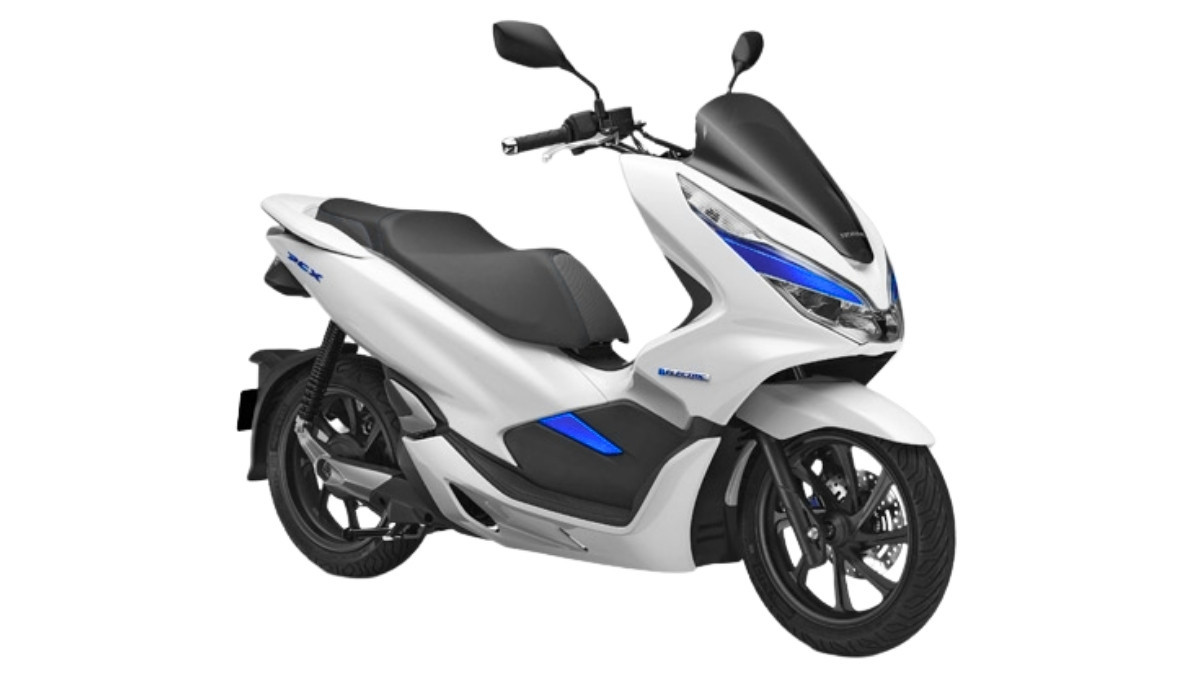
Honda PCX Electric Scooter 2026 : Honda has long been a pioneer in the scooter segment, and the filing of a new patent for the PCX Electric Scooter 2026 signals the brand’s commitment to innovation and sustainability. This development has sparked interest among enthusiasts and industry experts, as it suggests that Honda is preparing to expand its electric lineup with a model that blends practicality, style, and advanced technology.
Patent Filing Overview
The newly filed patent outlines several design and engineering elements that distinguish the upcoming PCX Electric Scooter from its predecessors. While patents do not always guarantee immediate production, they provide a glimpse into Honda’s vision for the future of urban mobility. The focus appears to be on efficiency, compact design, and integration of smart features that enhance rider experience.
Design and Styling
The PCX Electric Scooter 2026 is expected to retain the sleek and modern styling that has made the PCX series popular worldwide. The patent drawings suggest aerodynamic lines, a comfortable seating arrangement, and improved ergonomics. LED lighting systems and a digital dashboard are likely to be part of the package, ensuring both style and functionality.
Motor and Performance
According to the patent details, Honda is working on an electric motor that balances power and efficiency. The scooter is designed for urban commuting, offering smooth acceleration and reliable performance in city traffic. While exact specifications are yet to be confirmed, industry analysts expect a motor output sufficient to rival other electric scooters in the mid-range category.
Battery and Range
One of the most critical aspects of the PCX Electric Scooter is its battery system. The patent indicates the use of a modular lithium-ion battery pack, which could allow for easy replacement and maintenance. Expected range is between 100 and 150 kilometers per charge, making it suitable for daily commuting. Fast-charging capabilities are also anticipated, reducing downtime for riders.
Technology and Features
Honda’s patent highlights several advanced features that could be integrated into the PCX Electric Scooter. These include smart connectivity options, regenerative braking systems, and possibly app-based controls for monitoring battery status and navigation. The scooter may also feature keyless ignition and enhanced security systems to protect against theft.
Safety Enhancements
Safety remains a priority for Honda, and the patent suggests improvements in braking systems and stability control. The scooter is likely to include ABS, traction control, and advanced suspension systems to ensure smooth handling. These features will make the PCX Electric Scooter not only efficient but also reliable for riders in diverse conditions.
Price Expectations
While Honda has not officially announced pricing, industry experts predict that the PCX Electric Scooter 2026 will be positioned competitively within the premium electric scooter segment. Estimated prices could range from $4,000 to $5,500 depending on market and optional features. This would make it accessible to a wide audience while maintaining Honda’s reputation for quality.
Market Impact
The filing of this patent indicates Honda’s strategic push into the electric scooter market, which is growing rapidly due to increasing demand for eco-friendly transportation. The PCX Electric Scooter could become a benchmark for urban mobility, offering a blend of style, performance, and sustainability. Its arrival would also intensify competition among major brands in the electric two-wheeler space.
Conclusion
The new patent for the Honda PCX Electric Scooter 2026 provides an exciting preview of what riders can expect in the near future. With a focus on design, performance, battery efficiency, and advanced technology, Honda is preparing to deliver a scooter that meets the needs of modern commuters while supporting environmental goals. If the patent translates into production, the PCX Electric Scooter could become one of the most significant launches in the electric mobility sector.