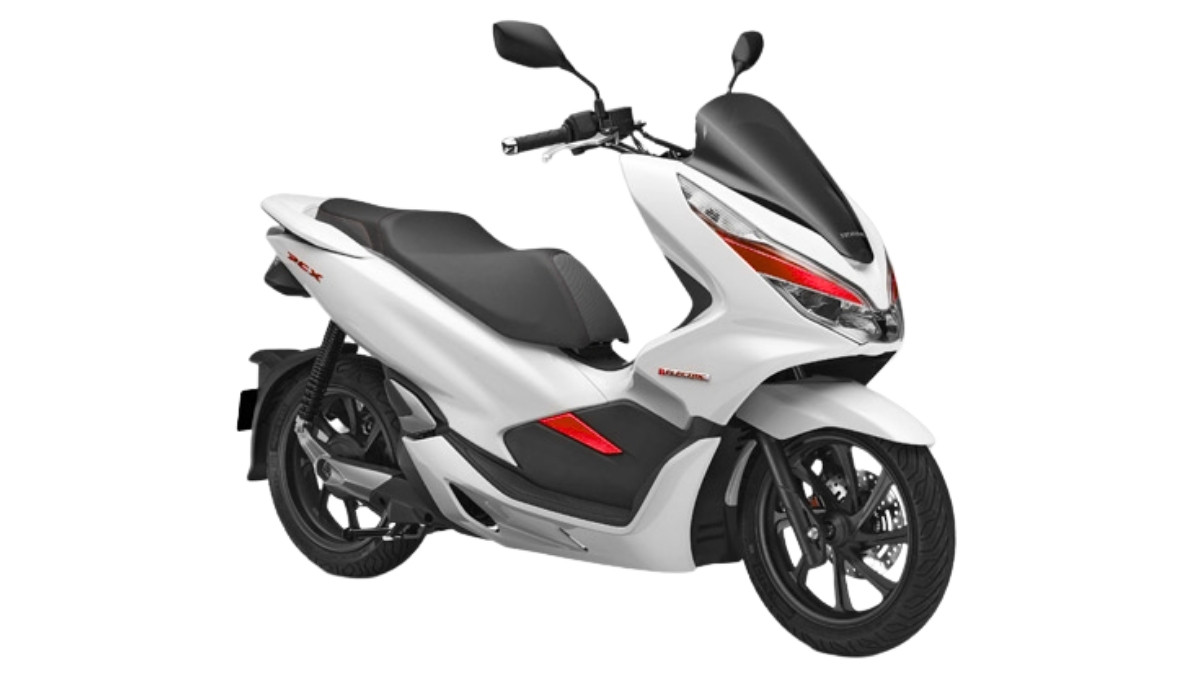
Honda has long been a pioneer in the two-wheeler industry, consistently introducing models that balance performance, practicality, and innovation. The filing of a patent for the Honda PCX Electric Scooter in India marks a significant step in the company’s journey toward electrification. While the Indian market has already seen a surge in electric scooters from domestic and international brands, Honda’s entry could reshape the landscape. The PCX Electric is not just another scooter; it represents Honda’s vision of sustainable urban mobility, blending futuristic design with advanced technology.
The legacy of the PCX series
The Honda PCX series has been popular in several international markets, especially in Asia and Europe, where maxi-scooter styling and comfort are highly valued. Known for its sleek design, spacious seating, and reliable performance, the PCX has built a reputation as a premium scooter. The electric version builds on this legacy, offering a familiar silhouette but with a modern twist. By registering the patent in India, Honda signals its intent to bring this global success story to one of the fastest-growing EV markets in the world.
Design and styling
The PCX Electric stands out with its sporty maxi-scooter look. The large front apron, twin headlamp setup, and integrated windscreen give it a commanding presence on the road. Alloy wheels and aerodynamic lines add to its futuristic appeal. The scooter is designed not only for aesthetics but also for practicality, with ample under-seat storage and a comfortable riding position. The LCD instrument cluster provides riders with essential information such as battery status, range, and speed, ensuring a modern and connected experience.
Battery technology
One of the most notable features of the PCX Electric is its removable battery system. The scooter uses a 50.4V lithium-ion battery pack that can be charged either while connected to the scooter or separately using a plug-in charger. This flexibility is particularly useful in urban environments where charging infrastructure is still developing. Riders can simply remove the battery and charge it at home or office, eliminating the need to rely solely on public charging stations. This approach makes the PCX Electric practical for Indian consumers who may not have dedicated charging facilities.
Performance and range
The PCX Electric is powered by a 4.2 kW motor, delivering smooth acceleration and reliable performance for city commuting. While its maximum range is around 40 kilometers per charge, the scooter is designed primarily for short urban trips rather than long-distance travel. This range may seem modest compared to some competitors, but Honda’s focus is on efficiency, convenience, and affordability. For daily commutes, errands, and short rides, the PCX Electric offers more than enough capability.
Comfort and safety
Honda has equipped the PCX Electric with features that enhance both comfort and safety. Telescopic front forks and twin rear shock absorbers ensure a stable and smooth ride, even on uneven roads. The scooter also comes with a front disc brake, providing strong stopping power. Combined with Honda’s reputation for reliability, these features make the PCX Electric a dependable choice for urban riders. The ergonomically designed seat and spacious footboard further add to rider comfort, making it suitable for longer city rides.
Market positioning
The filing of the patent does not necessarily mean an immediate launch, but it does highlight Honda’s interest in the Indian EV market. India is witnessing rapid growth in electric two-wheelers, with brands like Ola, Ather, and Bajaj already making significant strides. Honda’s entry could bring a new level of competition, especially in the premium scooter segment. The PCX Electric is likely to appeal to urban professionals, students, and eco-conscious riders who value style, convenience, and sustainability.
Challenges and opportunities
While the PCX Electric has the potential to succeed, Honda will face challenges in India. The limited range may be a concern for some consumers, and pricing will play a crucial role in its acceptance. However, Honda’s strong brand reputation and extensive dealer network give it an advantage. The removable battery system could also be a game-changer, addressing one of the biggest pain points in EV adoption: charging infrastructure. If Honda can price the scooter competitively and market it effectively, the PCX Electric could become a popular choice in Indian cities.
Impact on the EV landscape
The arrival of the PCX Electric in India would not only expand Honda’s portfolio but also push the overall EV industry forward. As more established brands enter the market, consumer confidence in electric vehicles is likely to grow. Honda’s involvement could encourage further investment in charging infrastructure and battery technology. Moreover, the PCX Electric’s design and features could set new benchmarks for what consumers expect from electric scooters, raising the bar for competitors.
Future outlook
Honda’s patent filing is just the beginning. The company may choose to introduce the PCX Electric in select cities before expanding nationwide. Future versions could feature improved battery capacity, extended range, and enhanced connectivity features. Honda may also explore partnerships with local companies to strengthen its EV ecosystem in India. As the government continues to promote electric mobility through subsidies and incentives, the timing could be ideal for Honda to make a strong impact.
Conclusion
The Honda PCX Electric Scooter patent filing in India is a significant development in the country’s EV journey. With its stylish design, removable battery system, and reliable performance, the PCX Electric has the potential to redefine urban commuting. While challenges remain, Honda’s entry into the Indian EV market could accelerate adoption and inspire greater innovation. The PCX Electric is not just a scooter; it is a glimpse into the future of sustainable mobility, where convenience, technology, and eco-friendliness come together to create a new riding experience.