Harley-Davidson has long been synonymous with freedom, power, and the roar of a classic V-twin engine. For decades, the brand has represented the spirit of the open road and the culture of motorcycling across the world. Yet, as the global automotive industry shifts toward sustainability and electric mobility, Harley-Davidson has embraced this transformation with its electric motorcycle lineup. The move marks a bold step into the future, blending the company’s heritage with cutting-edge technology. By 2026, Harley-Davidson’s electric motorcycles have become a symbol of how tradition and innovation can coexist.
The birth of LiveWire
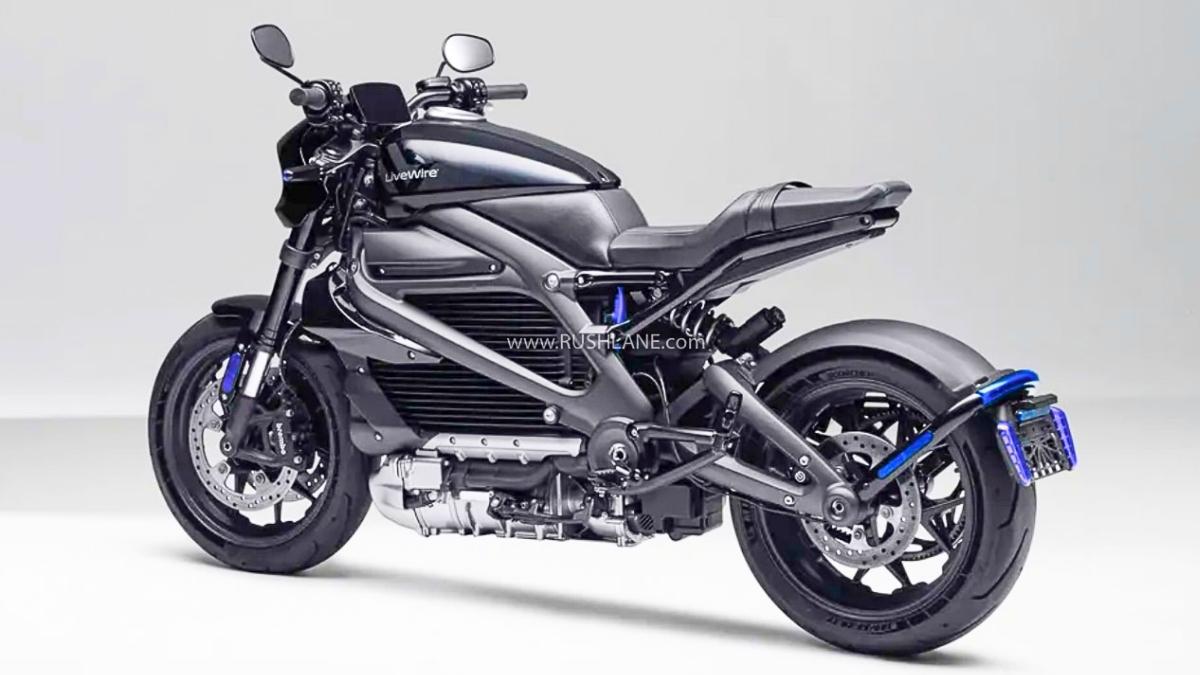
The journey into electric mobility began with the introduction of the LiveWire, Harley-Davidson’s first fully electric motorcycle. Initially launched in 2019, the LiveWire was more than just a product; it was a statement. Harley-Davidson wanted to prove that electric motorcycles could deliver the thrill and performance that riders expect from the brand. With instant torque, sleek design, and advanced connectivity, the LiveWire quickly gained attention as one of the most exciting electric motorcycles on the market. Over time, the LiveWire evolved into its own sub-brand, focusing exclusively on electric innovation.
Performance and technology
One of the most striking aspects of Harley-Davidson’s electric motorcycles is their performance. Unlike traditional combustion engines, electric motors deliver instant torque, providing rapid acceleration and a unique riding experience. The LiveWire, for example, can accelerate from 0 to 100 km/h in just over three seconds, rivaling many high-performance petrol motorcycles. The battery technology offers a range of up to 240 km in urban conditions, making it practical for daily commuting as well as weekend rides. Advanced electronics, including ride modes, regenerative braking, and smartphone connectivity, enhance the overall experience and appeal to a new generation of riders.
Design philosophy
Harley-Davidson has always placed design at the heart of its motorcycles, and the electric lineup is no exception. The LiveWire combines futuristic aesthetics with the brand’s iconic styling cues. Sharp lines, aggressive stance, and premium finishes make it instantly recognizable as a Harley-Davidson, even without the traditional exhaust note. The design team focused on creating a motorcycle that feels modern yet familiar, ensuring that loyal fans and new riders alike can connect with the product. Ergonomics were carefully considered to provide comfort for both city riding and longer journeys.
Market reception
The introduction of Harley-Davidson’s electric motorcycles was met with curiosity and excitement, but also skepticism. Many traditional riders questioned whether an electric Harley could capture the same spirit as its petrol-powered predecessors. Over time, however, the LiveWire proved its worth by delivering exhilarating performance and redefining expectations. Younger riders, particularly those concerned with sustainability, embraced the electric lineup as a way to enjoy motorcycling without compromising environmental values. By 2026, Harley-Davidson’s electric motorcycles have carved out a distinct space in the market, appealing to both enthusiasts and eco-conscious consumers.
Sustainability and environmental impact
At the core of Harley-Davidson’s electric initiative is sustainability. Electric motorcycles produce zero tailpipe emissions, reducing the carbon footprint of riders and contributing to cleaner urban environments. The company has emphasized its commitment to environmental responsibility, aligning with global efforts to combat climate change. By investing in electric mobility, Harley-Davidson not only adapts to regulatory changes but also positions itself as a leader in sustainable transportation. For riders, choosing an electric Harley is both a lifestyle decision and a statement of environmental awareness.
Challenges and opportunities
Despite the progress, Harley-Davidson faces challenges in the electric motorcycle market. Infrastructure remains a key issue, as charging networks need to expand to support widespread adoption. Battery costs and range limitations also continue to influence consumer decisions. Additionally, the brand must balance its heritage with innovation, ensuring that electric motorcycles resonate with loyal fans while attracting new audiences. However, these challenges also present opportunities. By investing in technology, collaborating with energy companies, and expanding global reach, Harley-Davidson can strengthen its position in the electric mobility sector.
Expansion and future models
Harley-Davidson has signaled its intention to expand the electric lineup beyond the LiveWire. Future models are expected to cater to different segments, including entry-level motorcycles for urban commuters and high-performance machines for enthusiasts. The company is also exploring partnerships to enhance battery technology and charging solutions. By diversifying its electric portfolio, Harley-Davidson aims to make electric motorcycles accessible to a broader audience. This strategy reflects the brand’s long-term vision of integrating sustainability into its identity while maintaining its reputation for quality and performance.
The rider experience
For many riders, the transition to electric motorcycles is not just about technology but about the overall experience. Harley-Davidson has worked to ensure that its electric models deliver the thrill of motorcycling in new ways. The instant acceleration, smooth ride, and advanced features create a unique connection between rider and machine. While the absence of the traditional exhaust sound may feel unusual at first, the quiet operation allows riders to experience the road differently, focusing on speed, agility, and the environment around them. This new experience is redefining what it means to ride a Harley.
Global ambitions
Harley-Davidson’s electric motorcycles are not limited to the United States; the company has global ambitions. Europe and Asia, where demand for electric two-wheelers is growing rapidly, represent key markets for expansion. By 2026, Harley-Davidson has established a presence in several international markets, showcasing its ability to adapt to diverse consumer needs. The global strategy emphasizes sustainability, performance, and design, positioning Harley-Davidson as a leader in the electric motorcycle revolution worldwide.
Conclusion
Harley-Davidson’s electric motorcycles represent a bold step into the future, blending iconic design with cutting-edge technology. The LiveWire has proven that electric mobility can deliver both excitement and practicality, redefining the motorcycle experience for a new generation. With a focus on sustainability, performance, and global expansion, Harley-Davidson is reshaping its identity while staying true to its heritage. By 2026, the brand has demonstrated that tradition and innovation can coexist, offering riders the freedom of the open road in a cleaner, more sustainable way.