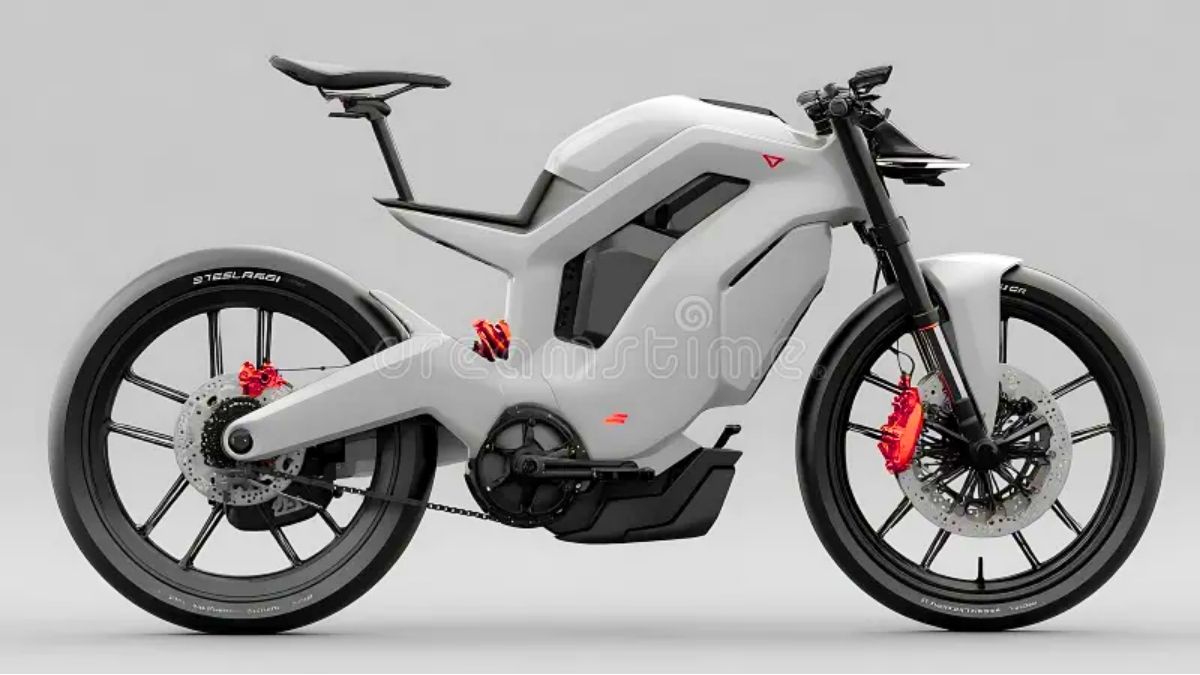
Electric Motorcycle Design : The world of two‑wheeled mobility is undergoing a transformation. Electric motorcycles and modern ebikes are no longer niche products; they are becoming mainstream solutions for urban commuting, adventure riding, and sustainable transport. Their design evolution reflects a blend of cutting‑edge technology, sleek aesthetics, and practical functionality.
Evolution of Electric Motorcycle Design
Electric motorcycles started as experimental prototypes but have now matured into high‑performance machines. Early designs focused primarily on battery placement and basic motor integration. Today, manufacturers emphasize aerodynamics, lightweight materials, and futuristic styling. The goal is to create motorcycles that not only perform well but also appeal visually to riders who value design as much as speed.
Influence of Modern Ebikes
Modern ebikes have played a significant role in shaping electric motorcycle design. Ebikes introduced compact battery systems, efficient motors, and user‑friendly interfaces that inspired motorcycle engineers. Features such as pedal assist, regenerative braking, and modular battery packs are now being adapted into larger electric motorcycles. This cross‑pollination of ideas ensures that both categories benefit from shared innovation.
Key Design Features
Electric motorcycles and ebikes share several design priorities. Battery integration is central, with designers striving to conceal bulky packs within sleek frames. Motor placement is optimized for balance and efficiency. Lightweight alloys and carbon fiber are increasingly used to reduce weight without compromising strength. Digital dashboards, smart connectivity, and integrated lighting systems add a futuristic touch.
Performance and Efficiency
Design is not just about looks; it directly impacts performance. Streamlined frames reduce drag, while advanced suspension systems improve handling. Fat‑tire ebikes and motorcycles designed for off‑road use emphasize rugged durability. Urban models focus on compactness and agility, making them ideal for navigating crowded streets. Efficiency is enhanced through regenerative braking and intelligent power management systems.
Sustainability in Design
Sustainability is a driving force behind electric motorcycle and ebike design. Manufacturers are exploring recyclable materials, eco‑friendly paints, and energy‑efficient production methods. The emphasis on long‑lasting batteries and modular components ensures reduced waste. By combining sustainability with style, designers appeal to environmentally conscious riders who want performance without guilt.
Customization and Personalization
Modern riders expect their vehicles to reflect their personality. Electric motorcycles and ebikes now offer extensive customization options. From adjustable seats and handlebars to interchangeable battery packs and color schemes, personalization is becoming a standard feature. This flexibility allows riders to tailor their machines to specific needs, whether for commuting, touring, or sport riding.
Integration of Smart Technology
Smart technology is reshaping design philosophy. Electric motorcycles and ebikes often include GPS navigation, app‑based controls, and real‑time diagnostics. Some models feature anti‑theft systems, remote locking, and ride‑sharing compatibility. The integration of smart features ensures that design is not only aesthetic but also functional in the digital age.
Future Outlook
The future of electric motorcycle and ebike design lies in convergence. As technology advances, the line between motorcycles and ebikes will blur. Hybrid models that combine the agility of ebikes with the power of motorcycles are already in development. Designers will continue to push boundaries, experimenting with new materials, battery innovations, and AI‑driven performance optimization.
Conclusion
Electric motorcycle design, influenced by modern ebike innovation, represents the next chapter in sustainable mobility. With sleek aesthetics, advanced technology, and a focus on rider experience, these vehicles are redefining what it means to travel on two wheels. As design continues to evolve, riders can expect machines that are not only efficient and eco‑friendly but also stylish and deeply connected to the digital world.