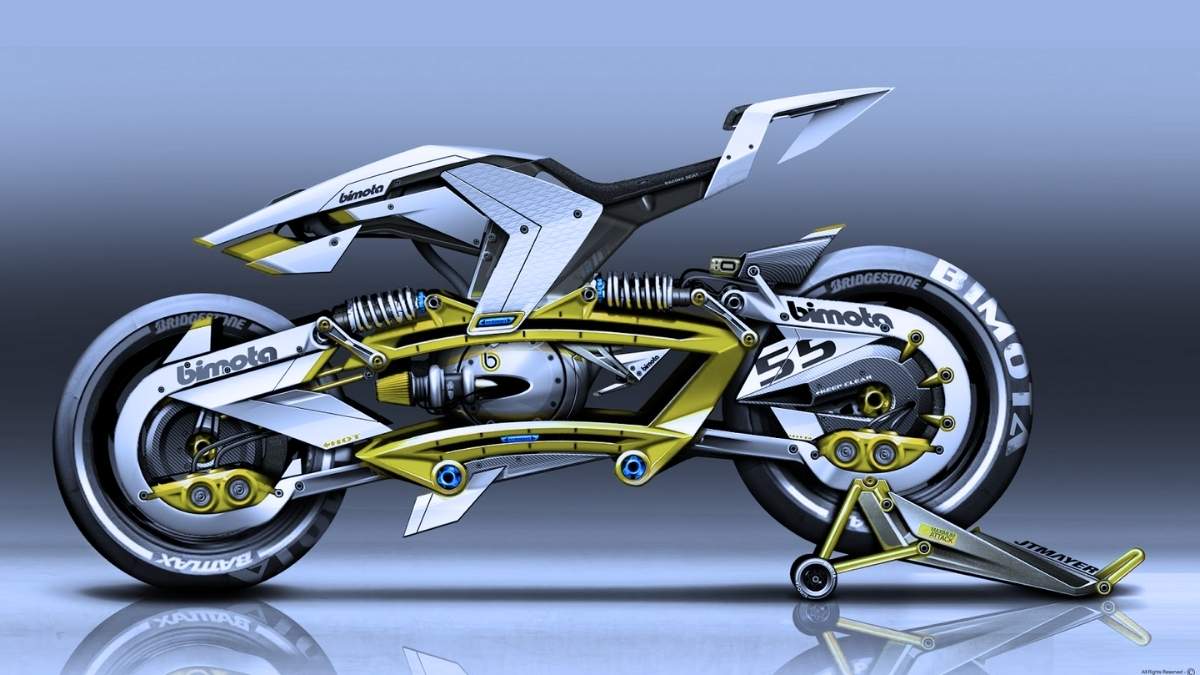
Motorcycle design has always been a blend of engineering precision and rider passion. Over the decades, manufacturers have experimented with aerodynamics, suspension systems, and engine configurations to deliver the perfect riding experience. Bimota, a brand known for its innovation and craftsmanship, has introduced a concept that could redefine the way riders interact with their machines: the adjustable weight balance motorcycle. This idea is not just about performance; it is about giving riders control over how their motorcycle behaves in different conditions, making every ride more personal and adaptable.
The Vision Behind the Concept
Bimota has long been recognized for pushing boundaries in motorcycle engineering. The adjustable weight balance concept stems from a desire to enhance rider confidence and adaptability. Traditional motorcycles are designed with a fixed weight distribution, which works well in most scenarios but can limit flexibility. By allowing riders to adjust the balance, Bimota envisions a future where motorcycles can adapt to city commuting, long-distance touring, or aggressive track riding with ease. This vision aligns with the growing demand for customization and personalization in modern vehicles.
How Adjustable Weight Balance Works
The core idea behind adjustable weight balance is to give riders the ability to shift the center of gravity of the motorcycle. This could be achieved through movable components, adjustable frames, or electronic systems that redistribute weight dynamically. For example, a rider preparing for a high-speed track session might adjust the balance forward for sharper handling, while someone embarking on a long tour could shift it rearward for stability and comfort. The system would likely integrate with advanced suspension and electronic controls, ensuring seamless transitions without compromising safety.
Benefits for Riders
The potential benefits of this concept are significant. First, it enhances versatility. Riders no longer need to choose between a sport-focused machine and a touring bike; one motorcycle could serve multiple purposes. Second, it improves safety. By adjusting balance to suit road conditions, riders can reduce risks associated with instability or poor traction. Third, it empowers riders to fine-tune their experience, creating a deeper connection with the machine. This personalization could transform the way people view motorcycles, turning them into adaptable companions rather than fixed tools.
Challenges in Implementation
While the idea is exciting, it comes with challenges. Engineering a system that allows weight redistribution without compromising structural integrity is complex. The added components could increase weight, cost, and maintenance requirements. Ensuring reliability under extreme conditions, such as racing or off-road riding, would be essential. Additionally, educating riders on how to use the system effectively would be crucial, as improper adjustments could lead to unsafe handling. Bimota’s reputation for precision engineering suggests that these challenges are not insurmountable, but they highlight the complexity of bringing such a concept to market.
Comparison with Existing Technologies
Motorcycle manufacturers have already introduced technologies aimed at improving adaptability, such as adjustable suspension, ride modes, and electronic stability systems. However, adjustable weight balance goes a step further by addressing the fundamental physics of motorcycle dynamics. Unlike suspension settings, which influence comfort and traction, weight distribution directly affects handling and stability. This makes Bimota’s concept unique and potentially revolutionary. If successful, it could inspire other manufacturers to explore similar innovations, leading to a new era of customizable motorcycles.
Impact on the Industry
The introduction of an adjustable weight balance motorcycle could have wide-reaching effects on the industry. It would set a new benchmark for innovation, challenging competitors to rethink their designs. It could also attract a new generation of riders who value adaptability and personalization. For professional racing, the concept could open new strategies, allowing teams to fine-tune balance for specific tracks or conditions. In the consumer market, it could redefine expectations, making versatility a standard feature rather than a luxury.
Rider Experience and Lifestyle
Beyond technical aspects, the concept speaks to the lifestyle of riders. Motorcycling is often about freedom, individuality, and expression. A motorcycle that adapts to its rider’s needs enhances this sense of identity. Imagine a rider adjusting balance for a spirited weekend ride, then shifting settings for a calm weekday commute. This flexibility aligns with modern lifestyles, where people seek products that can serve multiple roles. It also reflects the growing trend of smart technology integration, where vehicles respond to user preferences in real time.
Future Possibilities
Looking ahead, the adjustable weight balance concept could evolve into even more advanced systems. Integration with artificial intelligence could allow motorcycles to adjust automatically based on riding style, road conditions, or weather. Sensors could detect traction levels and redistribute weight to optimize performance instantly. Combined with electric powertrains and connected technologies, the motorcycle of the future could become a highly intelligent machine, offering unprecedented levels of safety, performance, and personalization.
Key Highlights
- Bimota introduces a groundbreaking concept of adjustable weight balance in motorcycles.
- The system allows riders to shift the center of gravity for different riding conditions.
- Benefits include versatility, safety, and personalization of the riding experience.
- Challenges involve engineering complexity, cost, and rider education.
- The concept could revolutionize the industry, influencing racing and consumer markets.
- Future possibilities include integration with AI and smart technology for automatic adjustments.
Final Words
The Bimota adjustable weight balance motorcycle concept represents a bold step toward the future of motorcycling. By reimagining how riders interact with their machines, it promises to deliver a level of adaptability never seen before. While challenges remain, the potential impact on performance, safety, and lifestyle is immense. If realized, this innovation could redefine what it means to ride, turning every journey into a tailored experience. Bimota’s vision reminds us that the spirit of motorcycling is not just about speed or style, but about evolving with the rider and embracing the road in all its forms.