The electric vehicle revolution in India is gaining momentum, and two-wheeler manufacturers are at the forefront of this transformation. Bajaj Auto and KTM, two prominent names in the motorcycle industry, are reportedly preparing to launch an electric two-wheeler that could redefine urban mobility. With rising fuel prices, growing environmental concerns, and government incentives for electric vehicles, the timing for such a launch appears ideal. Industry insiders suggest that the Bajaj-KTM electric bike is moving beyond concept stages and is gearing up for serial production, signaling a major step for both companies in the EV segment.
Design and Features
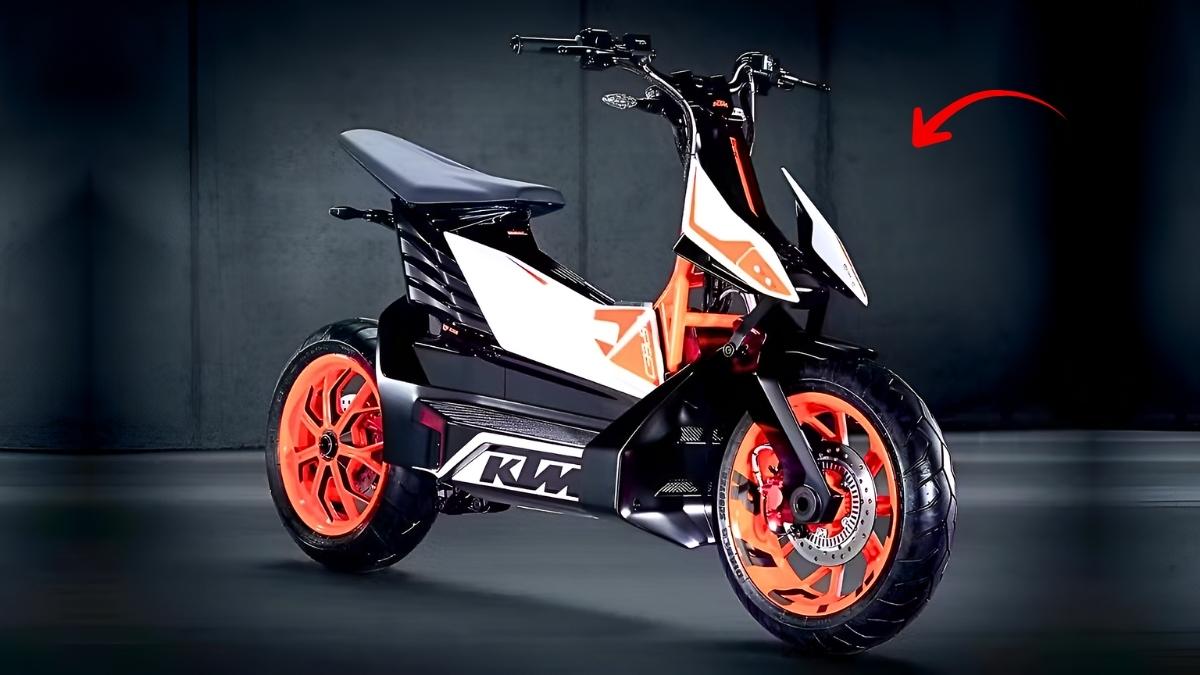
While official images of the electric two-wheeler are limited, leaks and reports provide a glimpse into what buyers can expect. The design is said to combine KTM’s aggressive styling with Bajaj’s practical engineering. Expect sharp lines, a muscular stance, and a futuristic look that aligns with KTM’s current brand language.
The electric powertrain is rumored to be compact yet efficient, offering a balance between performance and city-friendly usability. The battery pack could be removable, making home charging convenient for urban commuters. Industry analysts also speculate that the bike may include modern digital features such as a fully digital instrument cluster, smartphone connectivity, and regenerative braking to extend battery life.
Safety features are expected to include disc brakes, ABS, and a sturdy frame designed to handle both city streets and occasional highway rides. Comfort, ergonomics, and user-friendliness appear to be a priority, aiming to cater to both daily commuters and younger riders who seek performance without compromising sustainability.
Performance and Range
One of the most critical aspects of any electric two-wheeler is its range and performance. Early reports suggest that the Bajaj-KTM electric bike may deliver a range of approximately 120 to 150 kilometers on a single charge, which is competitive for its class. Charging infrastructure in urban areas is steadily improving, and a battery that can be charged overnight at home or partially during the day could make the bike practical for most riders.
Performance-wise, KTM’s influence is expected to provide a sporty experience, possibly with quick acceleration and smooth handling. While exact figures are not yet confirmed, the bike is likely to balance speed, efficiency, and stability, appealing to both daily commuters and those seeking a slightly adrenaline-packed ride.
Pricing and Market Position
Pricing is always a decisive factor in the adoption of electric vehicles. Industry experts predict that Bajaj and KTM will price the electric two-wheeler competitively to attract a wide audience. By leveraging Bajaj’s mass-market presence and KTM’s aspirational branding, the bike may occupy a mid-range segment, making it accessible without compromising on quality or performance.
The expected target market includes urban commuters, young professionals, and environmentally conscious riders who are seeking an electric alternative to traditional petrol-powered bikes. With rising fuel prices and increasing awareness of environmental issues, the potential demand for this electric two-wheeler could be significant.
Charging and Infrastructure
An essential factor for the success of any electric vehicle is charging infrastructure. Bajaj and KTM are reportedly working to ensure that the bike’s charging solutions are user-friendly. Possibilities include fast charging, removable batteries, and compatibility with standard home chargers. Urban areas, in particular, may benefit from easy charging access, while long-distance riders could require access to public fast-charging stations.
The emphasis on convenience indicates that Bajaj-KTM is aiming to remove the common hurdles that deter many consumers from switching to electric vehicles. Easy charging, combined with a reliable battery range, could make this bike a practical alternative for daily commuting.
Environmental Impact
The introduction of a Bajaj-KTM electric two-wheeler is a significant step toward reducing emissions in urban areas. Two-wheelers make up a considerable portion of city traffic, and transitioning these vehicles to electric could meaningfully reduce pollution levels. By providing a stylish, high-performance electric alternative, Bajaj and KTM may encourage more riders to adopt sustainable practices without compromising on performance or aesthetics.
Government incentives, such as subsidies for electric vehicle buyers and tax benefits, are likely to make the purchase even more attractive. This aligns with India’s broader goal of promoting clean mobility and reducing the nation’s carbon footprint.
Competition and Market Outlook
The electric two-wheeler market in India is becoming increasingly competitive, with players like Hero Electric, Ather Energy, and TVS already making inroads. Bajaj and KTM entering this space will intensify competition, especially in the mid-range segment. Their combined expertise in performance bikes and mass-market motorcycles could give them a unique edge.
If priced strategically and backed by reliable performance, the Bajaj-KTM electric two-wheeler has the potential to capture a substantial share of the market. Its sporty design, coupled with the practicality of electric mobility, may make it appealing to both younger riders and daily commuters seeking an eco-friendly alternative.
Key Highlights
- Bajaj and KTM are preparing for serial production of their electric two-wheeler.
- The design is expected to merge KTM’s aggressive styling with Bajaj’s practicality.
- Estimated range is around 120–150 kilometers per charge, with potential for removable batteries.
- Features may include digital instrument cluster, smartphone connectivity, ABS, and disc brakes.
- Target market includes urban commuters, young professionals, and environmentally conscious riders.
- Competitive pricing and government incentives may boost adoption.
- Entry into the electric segment positions Bajaj-KTM against established players like Ather and TVS.
Our Final Words
The Bajaj-KTM electric two-wheeler represents an exciting step in India’s journey toward sustainable mobility. With a promising mix of style, performance, and practicality, it has the potential to attract a wide range of riders and challenge existing players in the market. Serial production indicates that both companies are serious about making a lasting impact in the EV segment.
As the electric two-wheeler market continues to grow, innovations like this will play a crucial role in shaping the future of urban transportation. For riders looking for a practical, eco-friendly, and stylish alternative, the Bajaj-KTM electric bike could soon become a top choice, combining the legacy of two industry leaders with the promise of a cleaner, greener ride.