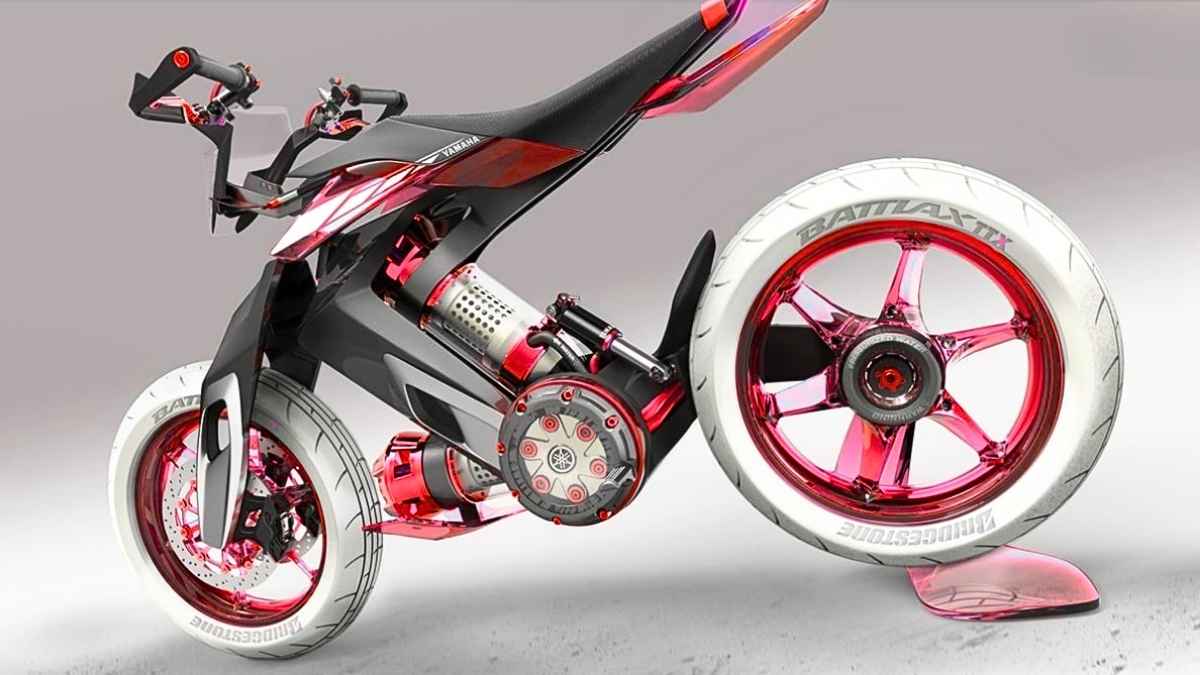
The Indian electric vehicle market is evolving rapidly, and global manufacturers are increasingly turning their attention toward this growing opportunity. Yamaha, one of the most trusted and established two-wheeler brands in India, is expected to enter the electric vehicle segment within the next two years. While the company has not yet made a full-scale announcement, industry trends, strategic investments, and global developments strongly indicate that Yamaha is preparing for an electric future in India.
Yamaha’s Global Electric Strategy
Yamaha has already begun its transition toward electric mobility in several international markets. The company has been investing heavily in electric powertrain development, battery technology, and EV-focused partnerships across Europe, Japan, and Southeast Asia. Yamaha’s electric scooters, e-bikes, and mobility solutions in global markets showcase its long-term commitment to electrification.
This global experience gives Yamaha a strong foundation to develop EVs tailored specifically for India. Instead of rushing into the market, Yamaha appears to be taking a measured approach, focusing on reliability, performance, and cost-efficiency before launching electric products locally.
Why India Is a Key Market for Yamaha EVs
India is currently one of the fastest-growing electric two-wheeler markets in the world. Rising fuel prices, government incentives, and increased environmental awareness are driving demand for electric scooters and motorcycles. The government’s push for cleaner transportation through policies and subsidies has created a favorable environment for manufacturers.
For Yamaha, India represents a massive opportunity due to its large two-wheeler customer base. Yamaha already enjoys strong brand loyalty among Indian riders, especially younger consumers who value performance and design. Entering the EV segment allows Yamaha to retain its customer base while attracting new buyers seeking modern and eco-friendly mobility solutions.
Expected Timeline and Launch Strategy
Industry insiders suggest that Yamaha could introduce its first electric two-wheelers in India within the next two years. Rather than launching multiple models at once, Yamaha is likely to start with a limited lineup, possibly focusing on electric scooters for urban commuting.
This phased approach allows the company to test market response, build charging partnerships, and gradually expand its EV portfolio. Yamaha may also leverage its existing dealership network to support sales and after-sales service, giving it an advantage over newer EV startups.
Potential Electric Models for India
Although Yamaha has not confirmed specific models, there is speculation that the company may adapt its global electric platforms for the Indian market. Yamaha’s electric scooters and lightweight electric motorcycles sold internationally could be modified to suit Indian road conditions, pricing expectations, and usage patterns.
An urban-focused electric scooter with a practical range, quick acceleration, and Yamaha’s signature design language seems like a logical first step. Over time, Yamaha may also introduce electric motorcycles aimed at performance-oriented riders, setting itself apart from competitors who primarily focus on scooters.
Focus on Performance and Riding Experience
Yamaha has always been associated with performance, handling, and riding pleasure. Even in the electric segment, the company is expected to maintain this identity. Unlike some EVs that focus solely on efficiency, Yamaha’s electric two-wheelers are likely to emphasize smooth acceleration, balanced handling, and refined riding dynamics.
This approach could appeal to riders who want an electric vehicle without compromising on excitement. Yamaha’s engineering expertise may help deliver EVs that feel engaging rather than purely functional.
Manufacturing and Localization Plans
To remain competitive in India, Yamaha is expected to focus on localization. Local manufacturing of components such as batteries, motors, and frames would help reduce costs and make electric vehicles more affordable. Yamaha may also explore partnerships with Indian battery suppliers or technology firms to strengthen its EV ecosystem.
Localization would not only help with pricing but also ensure easier maintenance and availability of spare parts. This is especially important in a price-sensitive market like India, where long-term ownership costs play a major role in purchasing decisions.
Charging Infrastructure and Support
One of the biggest challenges for electric vehicles in India is charging infrastructure. Yamaha is likely aware of this and may adopt a strategy that includes home charging solutions and partnerships with charging network providers.
Electric scooters with removable batteries or fast-charging capabilities could make Yamaha’s EVs more practical for daily use. By offering reliable charging support, Yamaha can address one of the main concerns potential EV buyers have.
Competition in the Indian EV Market
By the time Yamaha launches its EVs, the Indian market will already be crowded with established players and startups. Brands like Ola Electric, Ather, TVS, and Bajaj have already made significant progress. However, Yamaha’s global reputation, engineering quality, and strong dealer network could help it stand out.
Instead of competing purely on price, Yamaha may position its EVs as premium yet practical options, focusing on durability, performance, and long-term reliability.
Consumer Expectations and Brand Trust
Indian consumers have high expectations from Yamaha due to its long-standing presence in the country. Reliability, service quality, and product durability will be crucial factors in determining the success of Yamaha’s EV launch.
If Yamaha can deliver electric two-wheelers that match its petrol-powered reputation, it could quickly build trust in the EV segment. Many loyal Yamaha customers may be willing to switch to electric if the brand offers a convincing product.
Conclusion
Yamaha’s likely entry into the Indian electric vehicle market within the next two years marks an important step for both the brand and the industry. With its global EV experience, strong brand value, and focus on performance, Yamaha is well-positioned to make a meaningful impact.
Rather than rushing into the market, Yamaha appears to be preparing a thoughtful and strategic launch that prioritizes quality, reliability, and rider experience. If executed well, Yamaha’s electric vehicles could become a strong alternative for Indian consumers looking for trusted, high-quality EV options. As the EV landscape continues to evolve, Yamaha’s arrival could further accelerate India’s transition toward cleaner and smarter mobility.