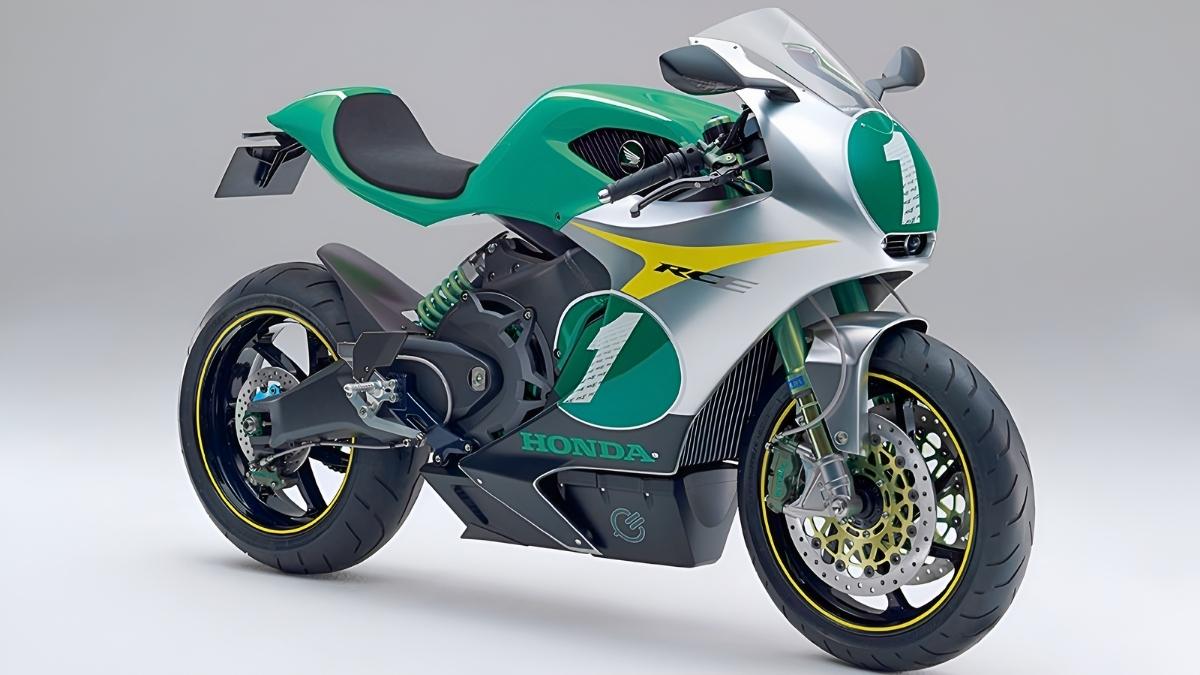
Honda has long been a dominant force in the world of motorcycles, shaping performance standards and defining what riders expect from modern machines. When the brand unveiled its electric sports bike concept, it felt like a major turning point for the industry. This concept was not just another experimental prototype; it represented a forward-looking vision for clean mobility, advanced engineering and the evolution of high-performance riding. In a world moving rapidly toward electrification, Honda’s concept stood out as a promising glimpse into what the next generation of sportbikes could become.
A Vision Rooted in Honda’s Legacy
Honda’s journey in motorcycle innovation stretches back decades, built on precision engineering, reliability and passion. The electric sports bike concept borrowed heavily from this heritage while embracing new-era technologies. Unlike some electric prototypes that focus mainly on efficiency or urban commuting, Honda’s concept aimed to merge performance and sustainability. It was crafted to appeal to riders who crave speed, aggressive styling and the adrenaline of sports machines but want to move toward eco-friendly mobility. This blending of tradition and modern needs set the foundation for something truly exciting.
Performance Without Compromise
One of the most impressive aspects of the electric Honda sports bike concept was its commitment to delivering strong performance. Electric motorcycles are often judged on instant torque and smooth power delivery, and Honda leaned into these strengths. Although the final specifications were never fully revealed, early insights suggested a powertrain capable of rapid acceleration, stable high-speed performance and a riding experience comparable to mid to high-end gasoline sportbikes. The goal was clear: prove that electric bikes can be just as thrilling and engaging as their combustion counterparts.
Futuristic Design That Commands Attention
Design has always been an important element of Honda’s sports lineup, and this concept carried that tradition forward with a futuristic twist. Clean lines, aerodynamic curves and a sleek, aggressive posture made it look like a machine built for tomorrow’s roads. The frame appeared lightweight yet sturdy, hinting at advanced materials and an optimized structure to support battery weight without sacrificing agility. Minimalist LED lighting, sharp edges and a compact silhouette gave the bike a distinctive identity that felt both modern and true to Honda’s racing DNA.
Advanced Technology at its Core
Electric motorcycles offer opportunities for advanced integrations that traditional engines cannot provide, and Honda embraced this fully. The concept was designed to feature a smart riding interface, enhanced battery management systems and potentially customizable riding modes. These innovations not only improved performance but also made the bike more intuitive for the rider. Safety features such as traction control, regenerative braking and improved stability systems were likely to form a key part of the experience. The goal was to deliver a machine that not only looked futuristic but also responded like one.
The Promise of Sustainability
One of the strongest arguments for the concept’s bright future was its alignment with global sustainability goals. Nations around the world have been pushing toward reduced emissions and cleaner transportation alternatives. Honda’s electric sports bike concept positioned the company well within this shift. The idea of enjoying high-speed performance while leaving a smaller environmental footprint appealed to a new generation of riders who value responsibility as much as thrill. This balance of passion and planet-friendly engineering gave the concept a unique edge in the changing motorcycle market.
Challenges on the Road Ahead
Despite its potential, the concept faced challenges common to the electric motorcycle industry. Battery range, charging infrastructure and production costs remain significant hurdles for all manufacturers. Honda, known for mass production and widespread availability, would need to ensure that such a futuristic electric bike could be accessible to the market at a competitive price. There were also concerns regarding weight distribution and maintaining the nimble handling that sportbike riders expect. Overcoming these obstacles would determine how quickly such a concept could transition from prototype to reality.
Why Enthusiasts Still Talk About It
Even though the bike has not yet reached mass production, enthusiasts continue to discuss it because it represents a genuine attempt by Honda to push boundaries. The concept combined ambition and practicality in a way few electric prototypes have. It embodied the idea that the future of motorcycling does not need to sacrifice excitement for sustainability. For many riders, it was a symbol of hope that the electric era could still preserve the spirit of high-performance riding.
Key Highlights
• A futuristic electric sports bike concept rooted in Honda’s racing heritage
• Designed to deliver strong performance with instant electric torque
• Aggressive and aerodynamic styling aligned with Honda’s sports identity
• Integration of advanced technologies and smart riding features
• Emphasis on sustainability without compromising thrill and speed
• Continued interest from enthusiasts due to its forward-looking potential
Final Words
Honda’s electric sports bike concept was more than an experiment; it was a statement about the future of performance motorcycles. It demonstrated how innovation, sustainability and tradition can converge to create something extraordinary. While the world still waits to see if this vision will become a production reality, the concept remains a powerful symbol of what the next chapter of motorcycling could look like. If Honda decides to bring this machine to life, it may very well redefine what riders expect from electric sportbikes in the coming years.