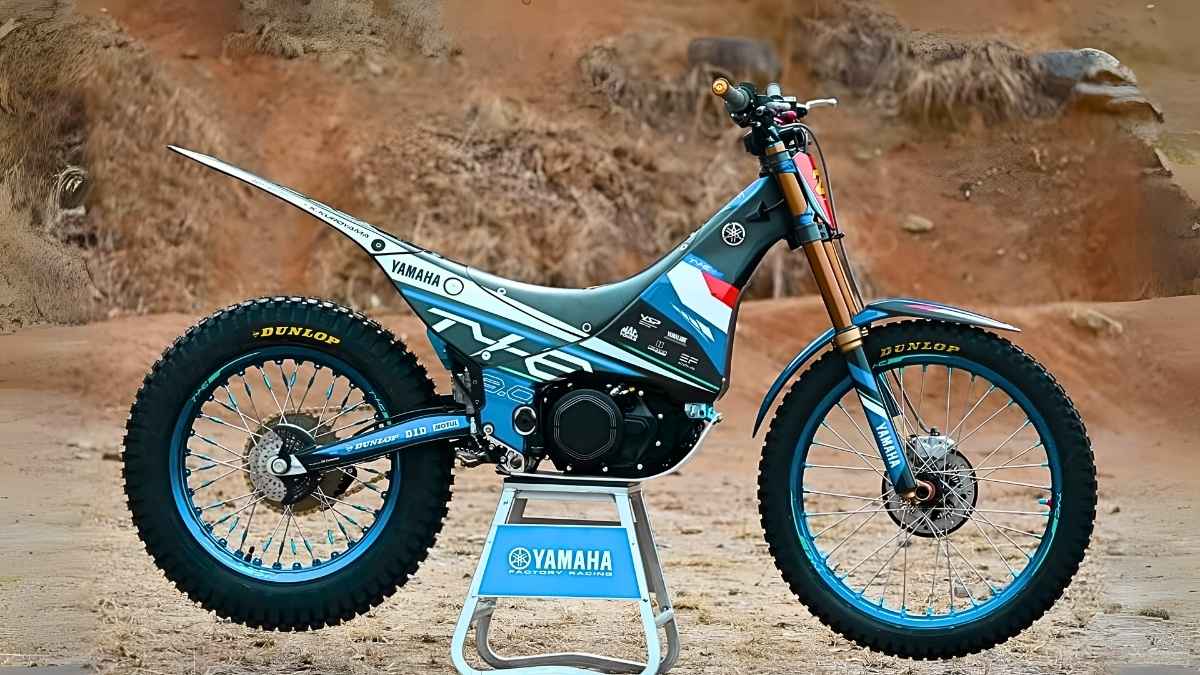
Yamaha has always been at the forefront of motorcycle innovation, particularly when it comes to off-road and trials motorcycles. The company’s electric trials motorcycle, the TY-E, has been a significant step toward sustainable and technologically advanced riding experiences. The latest iteration, the TY-E 3.0, brings a range of updates that promise to enhance performance, agility, and overall rider experience. In this article, we will explore the key features, improvements, and implications of the TY-E 3.0 in the world of electric trials motorcycles.
Evolution of the TY-E Series
The original Yamaha TY-E was launched as a pioneering electric trials motorcycle aimed at combining the precision of traditional trials riding with the benefits of electric power. Trials riding demands incredible control, balance, and responsiveness, and Yamaha sought to ensure that the transition from gas-powered to electric did not compromise the sport’s technical aspects. The TY-E series quickly gained attention for its smooth power delivery, lightweight frame, and innovative technology tailored for competitive trials riding.
With each update, Yamaha has refined the design, electronics, and overall functionality of the TY-E. The TY-E 3.0 represents the culmination of these improvements, offering enhanced performance and reliability. Yamaha engineers focused on delivering a machine that meets the demands of both professional riders and enthusiasts who want an electric alternative without losing the traditional trials experience.
Key Updates in the TY-E 3.0
The TY-E 3.0 introduces several significant updates over its predecessor. One of the most notable improvements is the enhanced powertrain, which offers smoother torque delivery and better energy efficiency. This allows riders to navigate technical sections with greater precision and confidence. The electric motor’s responsiveness has been fine-tuned, giving riders a sense of control comparable to high-performance gasoline-powered trials bikes.
Another key update is the battery system. The TY-E 3.0 features a lighter and more compact battery pack, improving weight distribution and overall handling. Trials motorcycles require a delicate balance of agility and stability, and the revised battery system contributes to a lower center of gravity, making sharp turns and complex maneuvers easier. Additionally, Yamaha has improved the bike’s range, allowing for longer practice sessions or competitions without frequent recharging interruptions.
The suspension and chassis of the TY-E 3.0 have also seen upgrades. The lightweight frame, combined with refined suspension components, ensures that the bike can handle the rigorous demands of trials riding. Riders will notice improved feedback from the bike during technical climbs, drops, and tight corners. These improvements make the TY-E 3.0 not just an electric alternative but a highly competitive machine capable of performing at the highest level.
Technology and Rider Assistance
Yamaha has incorporated smart technology into the TY-E 3.0 to enhance the riding experience. The bike features advanced traction control systems and customizable power modes, allowing riders to adapt the bike’s performance to their skill level and terrain conditions. These systems help reduce the learning curve for beginners while giving experienced riders more precise control in challenging sections.
The electronic components are designed to be intuitive and unobtrusive. Yamaha aimed to maintain a clean interface so that riders can focus entirely on technique and balance rather than being distracted by complex controls. This approach reflects Yamaha’s philosophy of integrating technology in a way that enhances the riding experience without overwhelming the rider.
Environmental and Practical Benefits
One of the main advantages of the TY-E 3.0 is its environmental impact. Electric motorcycles produce zero emissions, making them a sustainable choice for both recreational riders and competitive events. As the world shifts toward cleaner energy, Yamaha’s commitment to electric trials motorcycles positions the company as a leader in sustainable motorsport solutions.
Additionally, electric motorcycles tend to require less maintenance compared to traditional gasoline-powered bikes. There are fewer moving parts in the motor, no need for fuel changes, and reduced wear on the transmission system. This makes the TY-E 3.0 not only environmentally friendly but also more practical for riders who want a reliable and low-maintenance motorcycle.
Implications for the Trials Community
The TY-E 3.0 is likely to have a significant impact on the trials riding community. Its advanced features and eco-friendly design may encourage more riders to explore electric motorcycles without compromising on performance. Competitive riders can benefit from the instant torque and precise control, while newcomers may appreciate the accessibility and ease of use.
Yamaha’s continued innovation also sets a benchmark for other manufacturers. As electric motorcycles become more sophisticated, the sport of trials riding may evolve in exciting ways. Riders may find themselves exploring new terrains and techniques that were previously limited by traditional fuel-powered motorcycles. The TY-E 3.0 could therefore play a key role in shaping the future of trials riding.
Conclusion
The Yamaha TY-E 3.0 represents a significant step forward in the world of electric trials motorcycles. With its refined powertrain, improved battery system, advanced suspension, and integrated technology, it offers an exciting and competitive alternative to traditional gasoline-powered trials bikes. Beyond performance, the TY-E 3.0 provides environmental and practical benefits, making it a forward-thinking choice for riders of all levels.
Yamaha’s commitment to innovation ensures that the TY-E series continues to push the boundaries of what electric motorcycles can achieve. The TY-E 3.0 not only preserves the essence of trials riding but also enhances it with modern technology and sustainability. As more riders embrace electric motorcycles, the TY-E 3.0 stands out as a compelling example of performance, precision, and progress in the evolving world of off-road motorcycling.