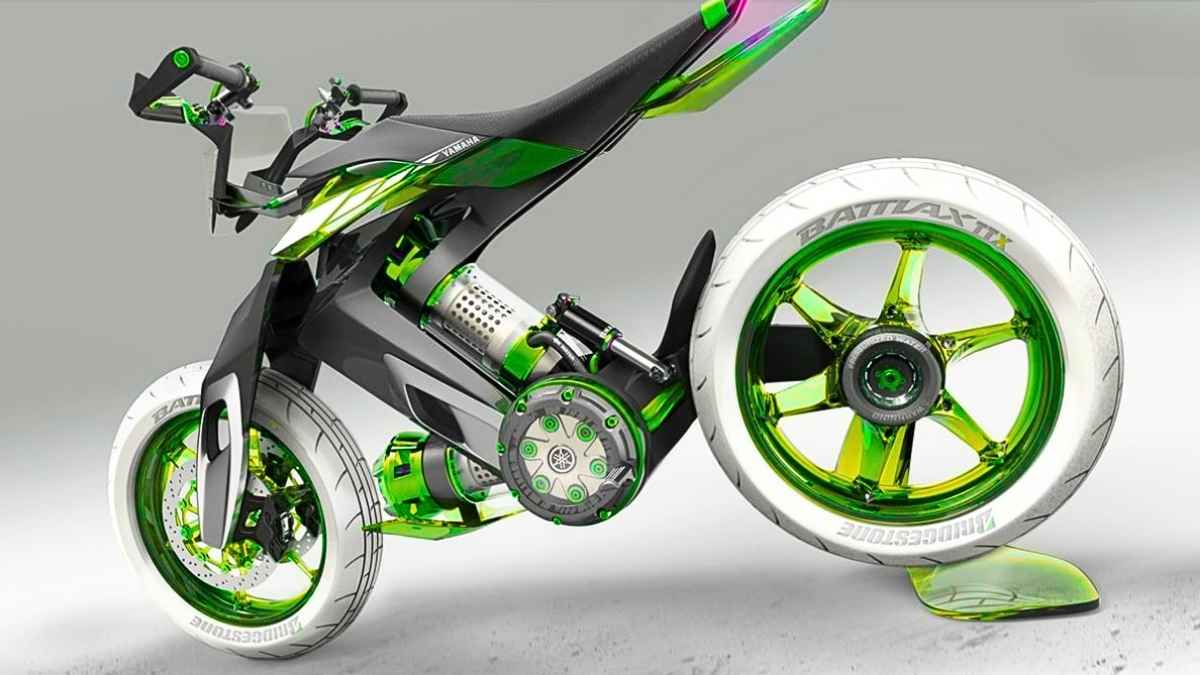
Yamaha Electric Scooters Coming : The electric vehicle market in India is growing at a rapid pace, and global automotive brands are increasingly showing interest in entering this space. One of the most anticipated developments is Yamaha’s expected entry into the Indian electric vehicle segment. Reports and industry discussions suggest that Yamaha may launch its EV lineup in India within the next two years, marking a significant shift for the company known for its performance-oriented petrol-powered motorcycles and scooters.
This potential move is seen as a strategic response to the rising demand for electric mobility, government support for EV adoption, and increasing competition in the two-wheeler market. If Yamaha proceeds with this plan, it could reshape the premium electric scooter segment in India.
Yamaha’s Position in the Indian Market
Yamaha has been a well-established brand in India for many years, primarily known for its stylish scooters and sporty motorcycles. Models like the Yamaha Fascino and Ray ZR have already built a strong presence in the scooter segment.
However, the company has been relatively slow in entering the electric vehicle space compared to some of its competitors. While other manufacturers have already launched multiple electric scooters, Yamaha has been focusing on research, development, and global EV strategy before entering the market.
This cautious approach suggests that Yamaha is aiming to introduce a well-developed and competitive product rather than rushing into the segment.
Why Yamaha is Entering the EV Market Now
The shift toward electric mobility in India is driven by several factors. Rising fuel prices, increasing environmental concerns, and government incentives for electric vehicles have created a strong demand for EVs.
In addition, the Indian government has been actively promoting electric mobility through subsidies, tax benefits, and infrastructure development. This has encouraged many global manufacturers to explore the Indian EV market.
For Yamaha, entering the EV segment is not just an option but a necessary step to remain competitive in the long term. As consumer preferences shift toward cleaner and more cost-effective transportation, traditional fuel-based vehicles are expected to gradually decline in demand.
Expected EV Strategy of Yamaha in India
Yamaha is expected to follow a phased approach for its EV introduction in India. Instead of launching multiple models at once, the company is likely to start with a premium electric scooter designed for urban commuters.
This strategy allows Yamaha to test the market response while maintaining its focus on quality and performance. The initial models may target young professionals and city riders who prefer stylish and efficient electric scooters.
Over time, Yamaha may expand its EV lineup to include more affordable options as well as high-performance electric two-wheelers.
Design and Technology Expectations
Although official details have not been confirmed, Yamaha’s electric scooters are expected to carry the brand’s signature design language. This means a sporty, modern, and aerodynamic look that appeals to younger riders.
In terms of technology, Yamaha is likely to focus on advanced battery systems, efficient power delivery, and smart connectivity features. Features such as digital instrument clusters, mobile app integration, and ride analytics are expected to be part of the package.
Battery performance will play a crucial role in determining the success of Yamaha’s EVs. A long-range battery with fast charging capability will be essential for Indian road conditions and daily commuting needs.
Competition in the Indian EV Market
The Indian electric scooter market is already quite competitive, with several strong players offering a variety of models. Companies like Ola Electric, Ather Energy, TVS, and Bajaj have already established themselves in this segment.
Yamaha will need to compete not only on price but also on performance, reliability, and brand trust. While Yamaha has a strong global reputation, it will need to adapt its products to meet local market expectations.
One of Yamaha’s advantages is its existing service network and brand recognition, which could help it gain customer trust quickly once EV models are launched.
Challenges for Yamaha in EV Segment
Entering the EV market is not without challenges. One of the biggest challenges is battery technology and cost optimization. Electric vehicles require efficient and durable batteries, which significantly affect pricing and performance.
Another challenge is charging infrastructure. Although India is expanding its EV charging network, it is still not as widespread as petrol stations. Yamaha will need to consider practical solutions for urban and semi-urban users.
Pricing strategy will also be critical. If Yamaha positions its EVs in the premium segment only, it may limit its reach. On the other hand, affordable pricing will require careful cost management.
Potential Launch Timeline
Industry expectations suggest that Yamaha could launch its first electric vehicle in India within the next two years. This timeline may vary depending on development progress, regulatory approvals, and market conditions.
Before the official launch, Yamaha is likely to conduct testing and showcase concept models in global and local markets. This will help the company refine its product based on feedback and real-world performance.
Impact on Indian Two-Wheeler Market
If Yamaha successfully enters the EV market, it could significantly impact the Indian two-wheeler industry. The brand’s reputation for quality and performance may attract a large number of customers who are currently undecided about switching to electric vehicles.
This move could also push other manufacturers to innovate further and improve their offerings, ultimately benefiting consumers with better products and competitive pricing.
Future of Yamaha in Electric Mobility
Yamaha’s entry into electric vehicles represents more than just a product launch. It reflects a long-term shift in the company’s global strategy toward sustainable mobility.
In the coming years, Yamaha is expected to invest heavily in electric technology, battery research, and smart mobility solutions. This will help the company stay relevant in an industry that is rapidly transitioning toward electrification.
The success of Yamaha’s EV strategy in India could also influence its global EV roadmap, making India a key market for testing and expansion.
Conclusion
Yamaha’s potential launch of electric vehicles in India within the next two years is a highly anticipated development in the automotive industry. With strong brand recognition, advanced engineering capabilities, and a growing EV market in India, Yamaha has the opportunity to become a major player in this segment.