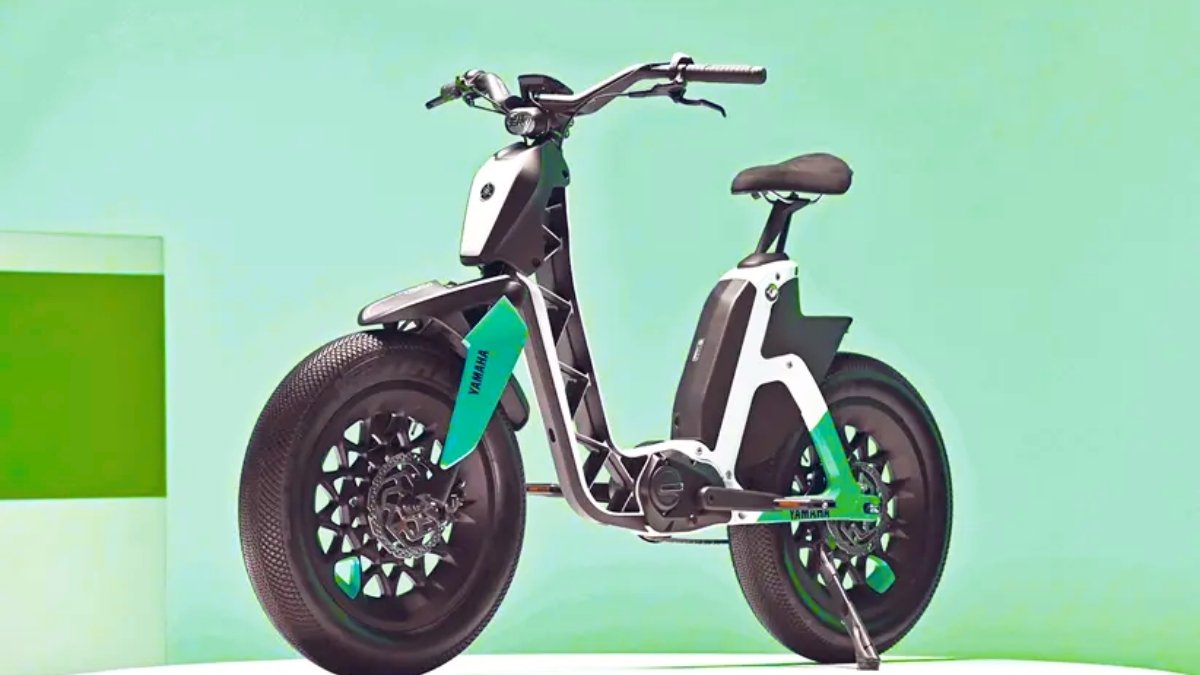
Yamaha Becomes the Latest : Yamaha has officially stepped into the electric vehicle market, marking a significant milestone in the company’s long history of innovation. Known globally for its motorcycles, marine products, and musical instruments, Yamaha’s decision to expand into electric mobility highlights the growing demand for sustainable transportation solutions.
The Shift Toward Electric Mobility
The global automotive industry is undergoing a rapid transformation. Governments are tightening emission regulations, consumers are becoming more environmentally conscious, and technology is advancing at an unprecedented pace. Yamaha’s entry into the EV market reflects these changes, positioning the company as a forward‑thinking manufacturer ready to embrace the future.
Yamaha’s Legacy in Innovation
Yamaha has always been associated with engineering excellence. From high‑performance motorcycles to cutting‑edge marine engines, the company has consistently pushed boundaries. Entering the EV market is a natural progression, allowing Yamaha to leverage its expertise in design, performance, and reliability while adapting to new energy solutions.
Electric Motorcycles and Scooters
One of Yamaha’s primary focuses is electric motorcycles and scooters. These vehicles are designed for urban commuting, offering quiet operation, zero emissions, and lower running costs. Yamaha’s electric two‑wheelers combine sleek design with advanced battery technology, appealing to riders who want both style and sustainability.
Battery and Charging Innovations
Yamaha is investing heavily in battery technology to ensure its EVs deliver competitive range and performance. Modular battery systems, fast‑charging capabilities, and improved energy density are central to its designs. By prioritizing convenience and efficiency, Yamaha aims to make electric mobility accessible to a wider audience.
Collaboration and Partnerships
To accelerate its EV strategy, Yamaha is collaborating with other manufacturers and technology companies. Partnerships in battery development, charging infrastructure, and smart connectivity are helping Yamaha build a robust ecosystem around its electric vehicles. These collaborations ensure that Yamaha’s EVs are not just products but part of a larger sustainable mobility solution.
Impact on the Market
Yamaha’s entry into the EV market adds significant competition to an already dynamic industry. Established players like Tesla, Honda, and BMW now face a new challenger with decades of brand loyalty and engineering expertise. Consumers benefit from increased choice, better technology, and more competitive pricing.
Consumer Expectations
Riders expect Yamaha’s EVs to deliver the same reliability and performance as its traditional motorcycles. Features such as responsive handling, durable construction, and stylish design remain essential. At the same time, consumers are looking for eco‑friendly solutions that reduce their carbon footprint without compromising on convenience.
Future Outlook
Yamaha’s move into electric mobility is just the beginning. The company is expected to expand its EV lineup to include larger motorcycles, possibly even electric cars or marine vehicles. With continuous investment in research and development, Yamaha is well‑positioned to become a major player in the global EV market.
Conclusion
Yamaha becoming the latest major manufacturer to enter the EV market is a landmark moment in the evolution of sustainable transportation. By combining its legacy of innovation with modern electric technology, Yamaha is set to redefine mobility for a new generation of riders. The future looks promising as Yamaha embraces the challenge of building vehicles that are efficient, eco‑friendly, and exciting to ride.