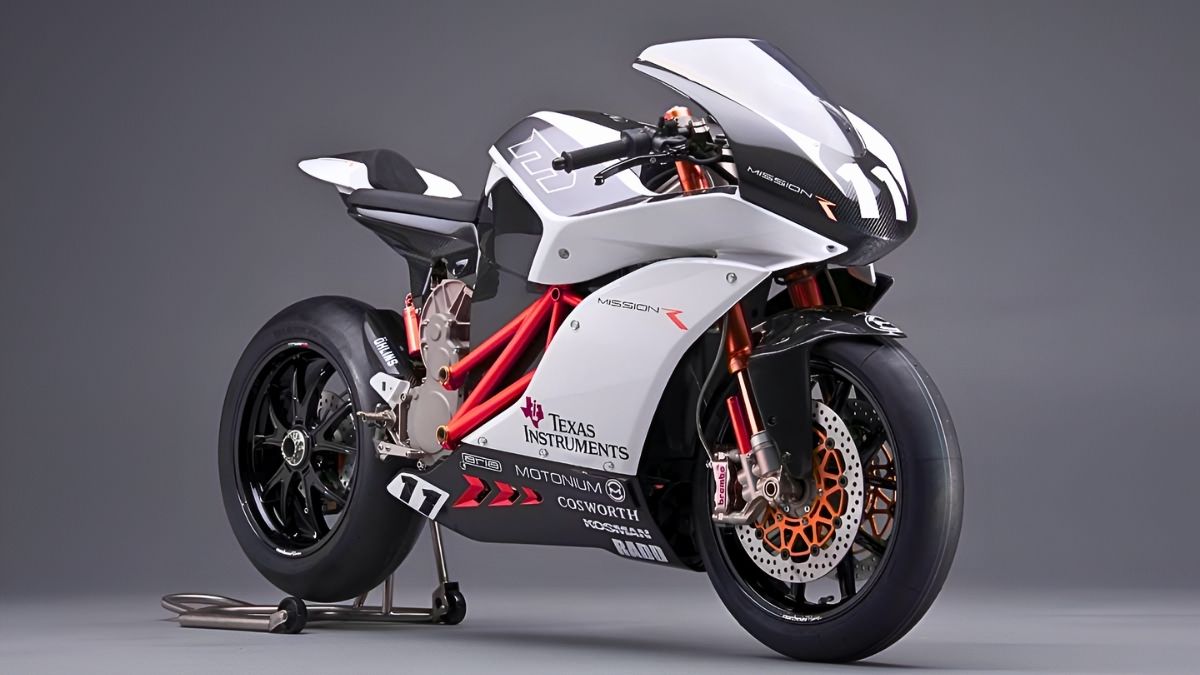
Electric Motorcycles vs Gas : The debate between electric motorcycles and gas-powered bikes has become increasingly relevant as technology advances and environmental concerns grow. Riders today face a choice between tradition and innovation, weighing the benefits of classic combustion engines against the promise of electric mobility. Understanding the differences in performance, cost, maintenance, and sustainability helps riders make informed decisions about which option suits their lifestyle.
Performance Comparison
Gas-powered motorcycles have long been celebrated for their raw power, high speeds, and distinctive engine sound. They offer a visceral riding experience that many enthusiasts cherish. Electric motorcycles, on the other hand, deliver instant torque, providing rapid acceleration that often surpasses traditional bikes. While gas bikes may still dominate in terms of top speed and long-distance endurance, electric models are closing the gap quickly with advancements in battery technology.
Range and Charging vs Fueling
One of the main concerns with electric motorcycles is range. Most models currently offer between 150 and 250 kilometers per charge, which is sufficient for city commuting but can be limiting for long trips. Charging infrastructure is expanding, but refueling a gas bike remains faster and more convenient. Gas-powered motorcycles can travel hundreds of kilometers on a single tank and refuel in minutes, while electric bikes require careful planning for charging stops.
Cost of Ownership
Electric motorcycles generally have higher upfront costs due to advanced battery systems. However, they offer significant savings in the long run. Electricity is cheaper than gasoline, and maintenance costs are lower because electric bikes have fewer moving parts. Gas-powered motorcycles may be more affordable initially, but fuel expenses and regular servicing add up over time. For riders focused on long-term savings, electric motorcycles present a compelling case.
Maintenance and Reliability
Gas-powered bikes require regular oil changes, engine tune-ups, and exhaust system maintenance. Electric motorcycles eliminate many of these needs, relying on simpler drivetrains and fewer mechanical components. Battery health remains a critical factor, but modern electric motorcycles are designed with durable battery packs that last several years. This reduced maintenance makes electric bikes attractive for riders seeking convenience and reliability.
Environmental Impact
Electric motorcycles produce zero tailpipe emissions, making them a cleaner choice for urban environments. Their adoption contributes to reducing air pollution and dependence on fossil fuels. Gas-powered motorcycles, while efficient compared to cars, still emit carbon dioxide and other pollutants. As cities worldwide push for greener transportation, electric motorcycles align with sustainability goals and government incentives.
Riding Experience
Gas-powered motorcycles deliver a traditional riding experience characterized by engine vibrations, gear shifting, and the iconic exhaust note. Electric motorcycles provide a smoother, quieter ride, which some riders appreciate while others miss the mechanical feel. The instant torque of electric bikes creates a thrilling acceleration, but the absence of engine noise changes the emotional connection many riders have with their machines.
Market Trends
The global motorcycle industry is witnessing a steady rise in electric models. Manufacturers are investing heavily in research and development, aiming to improve battery efficiency and expand charging networks. Gas-powered motorcycles remain popular, especially among enthusiasts and in regions with limited charging infrastructure. However, the shift toward electric mobility is inevitable, driven by environmental policies and consumer demand for sustainable options.
Future Outlook
Electric motorcycles are expected to become more competitive as battery technology advances, offering longer ranges and faster charging times. Governments are likely to introduce stricter emissions regulations, further encouraging the transition to electric. Gas-powered motorcycles will continue to hold cultural and performance appeal, but their dominance may gradually decline as electric alternatives become more practical and accessible.
Conclusion
The choice between electric motorcycles and gas-powered bikes depends on individual priorities. Gas-powered motorcycles offer tradition, long-range convenience, and a classic riding experience. Electric motorcycles provide innovation, lower maintenance, and environmental benefits. As technology evolves, electric motorcycles are poised to redefine the future of riding, while gas-powered bikes remain symbols of heritage and passion. Riders today stand at the crossroads of change, with both options offering unique advantages for different lifestyles.