Electric bikes have become a popular choice for commuters, fitness enthusiasts, and adventure seekers. While motor power, battery capacity, and frame design often dominate discussions, one factor that significantly influences the riding experience is tire width. The width of an e‑bike tire directly affects handling, stability, speed, and overall ride quality. Understanding how different widths perform can help riders choose the right setup for their lifestyle and terrain.
The Basics of Tire Width
Tire width refers to the measurement across the tire’s surface that makes contact with the ground. Narrow tires are typically found on road bikes, while wider tires are common on mountain and fat bikes. E‑bikes, being versatile machines, can accommodate a range of widths depending on their intended use. The choice of width is not just about aesthetics; it determines how the bike interacts with the road, how much grip it provides, and how comfortable the ride feels.
Narrow Tires and Speed
Narrow tires, often ranging between 28 to 35 millimeters, are designed for efficiency. Their reduced surface area minimizes rolling resistance, allowing riders to achieve higher speeds with less effort. For urban commuters who ride primarily on smooth pavement, narrow tires make sense. They deliver a responsive feel, quick acceleration, and agile handling. However, the trade‑off is reduced cushioning. On rough roads or uneven surfaces, narrow tires transmit more vibrations, which can lead to discomfort during longer rides.
Wider Tires and Stability
Wider tires, typically between 40 to 60 millimeters, offer greater stability. The increased contact patch with the ground enhances grip, making them ideal for riders who encounter mixed terrain. Wider tires absorb shocks better, providing a smoother ride over potholes, gravel, or cobblestones. For e‑bike users who value comfort and control over speed, wider tires are a practical choice. They also inspire confidence when cornering, as the larger footprint reduces the risk of slipping.
Fat Tires and Adventure Riding
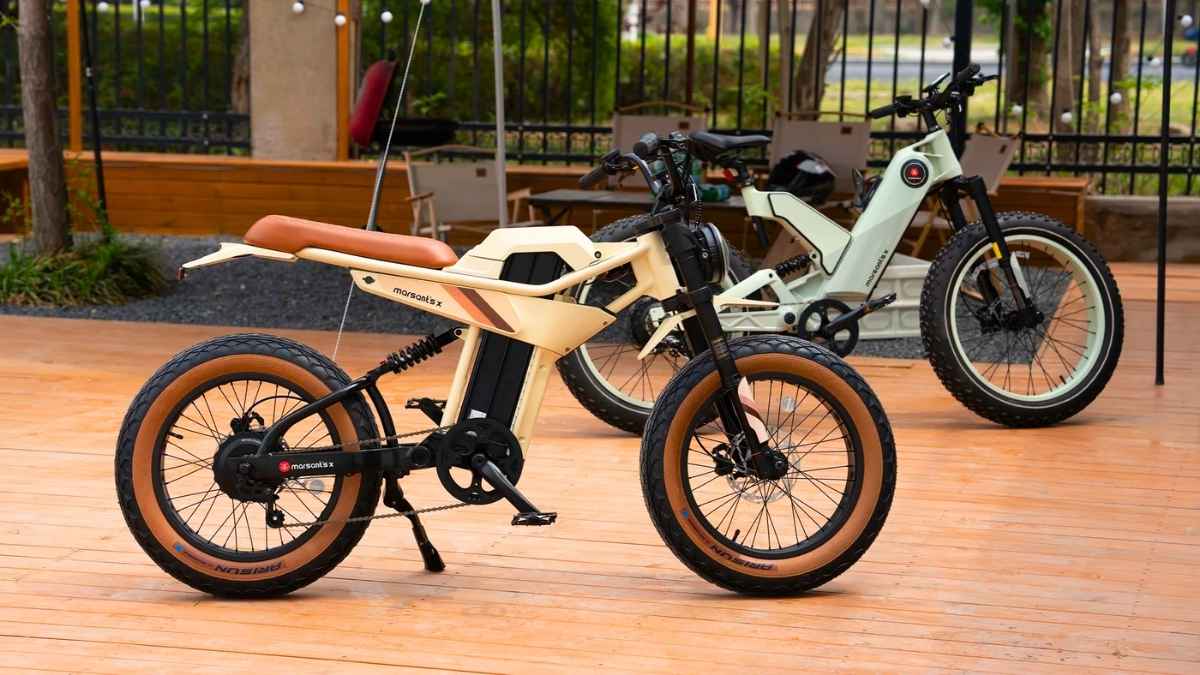
Fat tires, which can measure 80 millimeters or more, are designed for extreme conditions. Snow, sand, and rugged trails are where these tires excel. On an e‑bike, fat tires transform the riding experience into something closer to off‑road exploration. Their massive surface area distributes weight evenly, preventing the bike from sinking into soft terrain. While fat tires provide unmatched stability and cushioning, they are heavier and create more rolling resistance. This means slower speeds and reduced battery efficiency compared to narrower options.
Impact on Handling
Handling is one of the most noticeable differences when switching tire widths. Narrow tires make the bike feel nimble and responsive, perfect for weaving through traffic or making sharp turns. Wider tires, on the other hand, slow down steering slightly but add a sense of control. Riders often describe the handling of wider tires as predictable and secure. Fat tires take this further, offering unmatched grip but requiring more effort to maneuver. The choice depends on whether a rider prioritizes agility or stability.
Ride Quality and Comfort
Comfort is a major consideration for e‑bike riders, especially those using their bikes for daily commuting. Wider tires act like natural suspension systems, absorbing bumps and vibrations. This reduces strain on the rider’s body and makes long journeys more enjoyable. Narrow tires, while efficient, can feel harsh on uneven roads. Fat tires deliver the highest level of comfort, almost floating over obstacles, but at the cost of speed and efficiency. Ultimately, ride quality is a balance between terrain, distance, and personal preference.
Efficiency and Battery Life
Tire width also influences battery performance. Narrow tires, with less rolling resistance, allow the motor to work more efficiently, extending battery range. Wider tires require more energy to maintain speed, which can shorten the distance an e‑bike can travel on a single charge. Fat tires demand the most power, making them less suitable for riders who prioritize long range. Choosing the right width involves considering how far you typically ride and how much battery life matters to your routine.
Safety Considerations
Safety is closely tied to tire width. Wider tires provide better traction, reducing the risk of skidding on wet or loose surfaces. This makes them safer for riders who encounter unpredictable conditions. Narrow tires, while faster, require more skill to handle safely on slippery roads. Fat tires excel in safety on unstable terrain but can feel sluggish in urban environments. Riders should match tire width to their environment to maximize safety without compromising performance.
Choosing the Right Tire Width
Selecting the ideal tire width depends on lifestyle and riding conditions. Urban commuters who value speed and efficiency may prefer narrow tires. Riders who prioritize comfort and stability on mixed terrain should consider wider options. Adventure seekers tackling snow, sand, or trails will benefit most from fat tires. It is also worth noting that tire width affects frame compatibility, so riders must ensure their e‑bike can accommodate the chosen size.
Future Trends in E‑Bike Tires
As e‑bike technology evolves, tire design is also advancing. Manufacturers are experimenting with hybrid widths that balance speed and comfort. Tubeless systems are becoming more common, offering puncture resistance and smoother rides. Innovations in tread patterns are enhancing grip without sacrificing efficiency. The future of e‑bike tires will likely focus on versatility, giving riders the best of both worlds regardless of terrain.
Conclusion
Tire width plays a crucial role in shaping the handling and ride quality of an e‑bike. Narrow tires deliver speed and agility, wider tires provide stability and comfort, and fat tires open the door to adventure. Each width has its strengths and trade‑offs, and the right choice depends on the rider’s needs and environment. By understanding how tire width impacts performance, riders can make informed decisions that enhance their e‑bike experience.