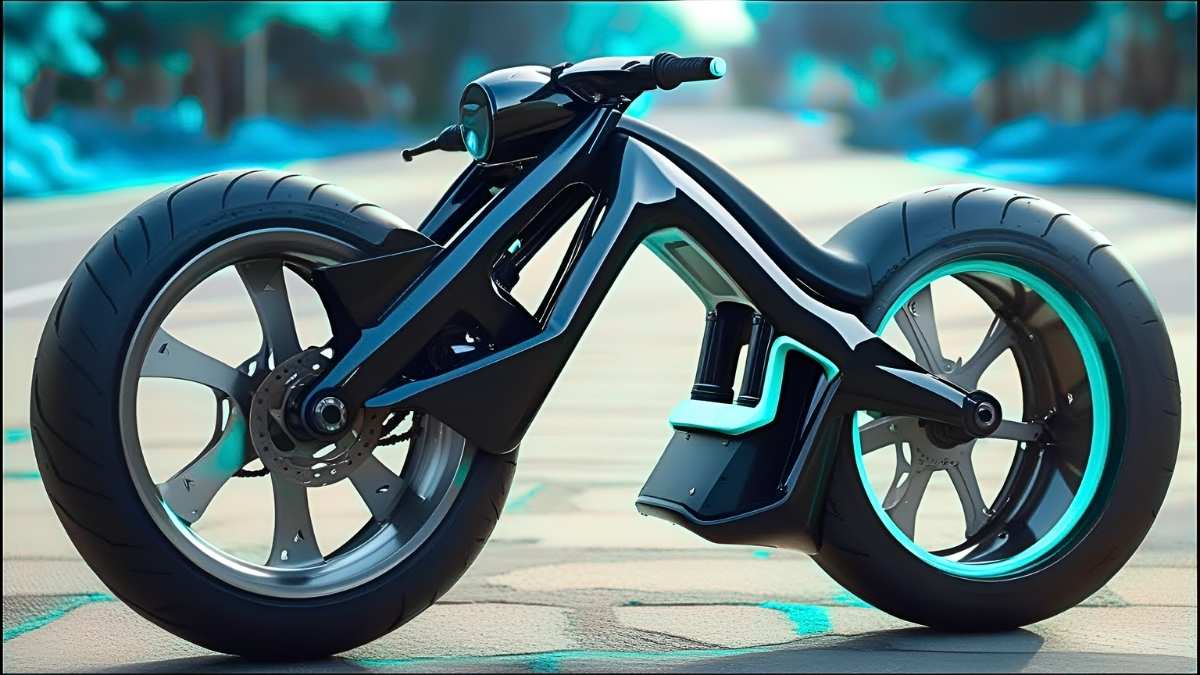
Bicycles have been around for centuries, evolving from simple wooden frames to modern, high-tech machines. But the innovation in the biking world has never stopped. With new technologies, creative ideas, and a growing interest in sustainability, bike inventions are taking cycling to new heights. Whether you’re a casual rider or a professional athlete, these groundbreaking bike inventions will definitely catch your attention. Here are five revolutionary bike innovations that are set to change the future of cycling.
1. The Smart Bike: A Blend of Technology and Cycling
In recent years, bikes have been getting smarter. The introduction of smart bikes is one of the most exciting developments in cycling. These bikes come equipped with integrated GPS, real-time performance tracking, and wireless connectivity. For example, bikes like the VanMoof S3 and Flyer U-series feature built-in navigation systems that help cyclists find their way through busy streets without taking their eyes off the road. These bikes also provide live updates on speed, distance, and battery life.
But the innovation doesn’t stop there. Some smart bikes can even lock themselves and provide anti-theft alerts via your smartphone. They can track the bike’s location, and in case it’s stolen, the bike owner will receive a notification, making bike theft much harder. These bikes are perfect for city dwellers who need a reliable, safe, and tech-savvy ride.
2. Electric Bikes (E-Bikes): The Future of Urban Transport
Electric bikes, or e-bikes, have become one of the fastest-growing trends in cycling. They combine the best aspects of regular bicycles with the added power of an electric motor. This innovation makes cycling easier, faster, and more accessible to people of all fitness levels. With e-bikes, riders can cruise effortlessly through city streets or tackle steep hills without breaking a sweat.
The convenience of e-bikes is undeniable. They’re perfect for commuters who want to avoid traffic and reduce their carbon footprint. These bikes are designed to give a smooth, almost effortless ride, thanks to a motor that assists the rider’s pedaling. Some e-bikes, like the Rad Power Bikes RadCity, can travel up to 45 miles on a single charge, making them ideal for long-distance commutes or weekend trips. With better battery life and lighter frames, the future of e-bikes looks incredibly bright.
3. Carbon Fiber Frames: Stronger, Lighter, and More Efficient
One of the most exciting materials in the world of bike manufacturing is carbon fiber. Unlike traditional materials like steel or aluminum, carbon fiber is incredibly light, yet incredibly strong. This makes it ideal for bike frames that need to be both durable and efficient. Carbon fiber frames have become common in high-end bicycles, especially those used by professional cyclists.
Not only do carbon fiber frames make bikes lighter, but they also enhance performance. They provide a smooth ride by absorbing vibrations from the road, which is especially beneficial for riders who spend long hours cycling. Additionally, carbon fiber is corrosion-resistant, meaning these frames will last longer than traditional metal frames. As the technology becomes more affordable, we can expect to see even more bikes equipped with carbon fiber frames, making them faster and more efficient for both competitive cyclists and casual riders.
4. Foldable Bikes: Compact, Convenient, and Practical
For urban cyclists, foldable bikes are a game-changer. These bikes are designed to be compact and lightweight, making them perfect for people who need to store their bike in small spaces or take it on public transportation. Whether you live in a small apartment or need to combine your bike ride with a train commute, foldable bikes offer a unique solution.
Brands like Brompton and Tern are leading the way in foldable bike design. These bikes can be folded down into a small, portable package that fits into the trunk of a car, under your desk, or in a closet. Some models are even designed with quick-folding mechanisms, allowing you to collapse and store the bike in a matter of seconds. The future of foldable bikes is promising, with many designs incorporating electric motors and more advanced features, making them even more practical for busy commuters.
5. Solar-Powered Bikes: Harnessing the Power of the Sun
One of the most eco-friendly and innovative bike inventions is the solar-powered bike. These bikes use solar panels to charge their battery, making them completely energy-independent. Imagine cycling through the city while your bike is charging itself under the sun, reducing your environmental impact. Solar-powered bikes can help cyclists travel longer distances without worrying about running out of battery.
The Sion Bike is an example of a solar-powered bicycle that uses solar panels integrated into the frame to generate power. These bikes are perfect for eco-conscious riders who want to reduce their carbon footprint and enjoy an energy-efficient ride. As solar technology continues to improve, we can expect even more advancements in solar-powered bikes, such as faster charging times and more efficient energy conversion. Solar bikes could soon become the go-to choice for green transportation in the future.
Conclusion: A New Era of Cycling
These five groundbreaking bike inventions are just the beginning of what’s to come. With continuous advancements in technology, materials, and design, the future of cycling looks more exciting than ever. Whether you’re looking for a smarter, more connected bike, a faster and easier way to commute, or a bike that helps you reduce your carbon footprint, there’s no shortage of innovative options.
As these inventions continue to evolve, cycling will become an even more efficient, accessible, and enjoyable mode of transportation. The future of biking is here, and it’s packed with possibilities that will revolutionize the way we ride.