Motorcycle engineering has always been a balance between innovation and tradition. While telescopic forks dominate modern motorcycle design, a small group of engineers and manufacturers have explored alternative front suspension systems that challenge conventional thinking. One of the most fascinating alternatives is hub-center steering. Known for its futuristic appearance and unique mechanical layout, this system separates steering and suspension forces in ways traditional forks cannot.
In this article, we explore three remarkable hub-center steering motorcycles that redefine front-end design and demonstrate how engineering creativity continues to shape the future of motorcycling.
What Is Hub-Center Steering
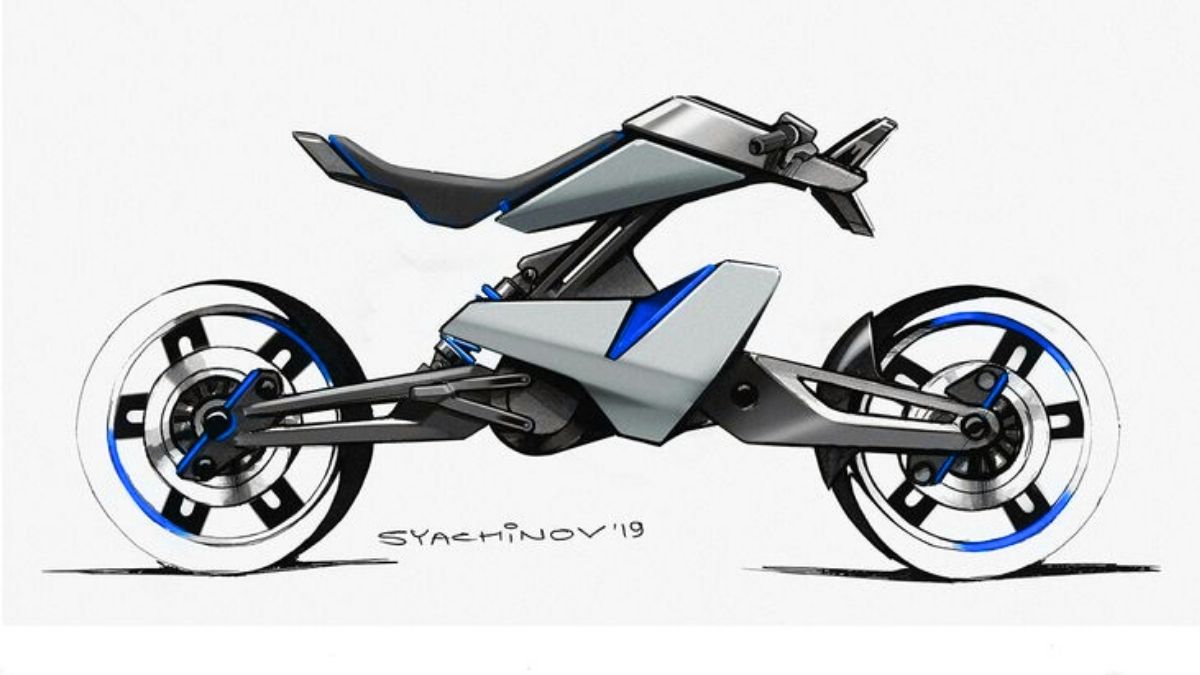
Hub-center steering replaces conventional front forks with a swingarm-based system that pivots near the center of the wheel hub. Instead of the handlebars directly turning fork tubes, a series of linkages connects the steering input to the front wheel assembly. Suspension duties are handled separately, often through a front swingarm connected to a shock absorber mounted within the chassis.
This separation of steering and suspension allows for reduced brake dive, improved stability under heavy braking, and more consistent geometry during cornering. However, the system is mechanically complex and more expensive to produce, which explains why it remains rare in mainstream production motorcycles.
Bimota Tesi Series
The Bimota Tesi series is perhaps the most well-known example of hub-center steering in action. Introduced in the early 1990s, the Tesi shocked the motorcycle world with its radical design. Instead of conventional forks, it featured a front swingarm and an intricate linkage system that controlled steering through the hub.
The name Tesi, meaning thesis in Italian, reflected the project’s origins as an engineering concept. Over the years, several iterations of the Tesi have appeared, each refining the original concept. The bike’s visual impact is undeniable. With its exposed mechanical components and distinctive front structure, it looks more like a piece of industrial art than a standard sportbike.
Riders often report that the Tesi delivers exceptional stability during braking and corner entry. Because braking forces are not transmitted through telescopic forks, the front end remains composed, reducing dive and maintaining consistent geometry. This creates a riding experience that feels planted and controlled, especially under aggressive conditions.
Vyrus 987 C3 4V
Vyrus, an Italian boutique manufacturer, took the hub-center steering concept even further with the 987 C3 4V. Built in limited numbers, this motorcycle blends cutting-edge engineering with handcrafted precision. Its exposed aluminum chassis plates and front swingarm system give it a raw and futuristic presence.
The Vyrus system allows for adjustable steering geometry, enabling riders to fine-tune handling characteristics. This level of customization is rare in production motorcycles. The front suspension design also contributes to impressive braking performance, as the bike resists the dramatic forward pitch common in traditional fork setups.
What truly sets the Vyrus apart is its exclusivity and attention to detail. Each unit is assembled with a focus on craftsmanship. The hub-center steering mechanism is not hidden; it is proudly displayed, showcasing the complexity and beauty of the engineering involved.
Confederate G2 P51 Combat Fighter
Although most Confederate motorcycles rely on conventional forks, the brand experimented with hub-center concepts in certain prototypes and design explorations. The G2 P51 Combat Fighter, known for its aggressive styling and exposed aluminum frame, represents the spirit of innovation that aligns with hub-center philosophy.
In hub-center configurations inspired by similar design principles, the focus is on structural rigidity and mechanical expression. The aesthetic is industrial, emphasizing machined components and visible engineering. The idea is not just to improve handling but to make the mechanical system part of the motorcycle’s identity.
These design explorations highlight how hub-center steering appeals to manufacturers seeking to stand out in a crowded market. It represents a willingness to rethink established norms and push the boundaries of motorcycle architecture.
Advantages of Hub-Center Steering
One of the primary advantages of hub-center steering is reduced brake dive. When a rider applies the brakes on a conventional motorcycle, the front forks compress significantly. This alters the geometry of the bike and can affect handling. Hub-center systems minimize this effect, maintaining stability during heavy braking.
Another advantage is improved separation of forces. Because steering and suspension functions are handled independently, engineers can optimize each system more precisely. This can result in improved cornering stability and a more controlled feel at high speeds.
Additionally, the distinctive design creates strong visual appeal. Hub-center motorcycles stand out immediately, attracting enthusiasts who appreciate unconventional engineering.
Challenges and Limitations
Despite its benefits, hub-center steering comes with challenges. The system is mechanically complex, requiring precise engineering and manufacturing. This complexity increases production costs and makes maintenance more specialized.
Weight can also be a factor. The additional components required for linkages and swingarms may add mass compared to traditional fork systems. Engineers must carefully balance durability and weight savings.
Finally, rider familiarity plays a role. Many riders are accustomed to the feel of telescopic forks. Transitioning to a hub-center system may require an adjustment period, as the feedback and handling characteristics can differ.
Why Hub-Center Steering Remains Rare
If hub-center steering offers clear advantages, why is it not more common? The answer lies in practicality and cost. Traditional forks are simpler, lighter, and cheaper to manufacture. They are also well understood by mechanics and riders worldwide.
Hub-center systems are often reserved for niche manufacturers or limited-production models. They serve as technological showcases rather than mass-market solutions. However, their existence demonstrates that alternative engineering paths remain viable and exciting.
The Future of Front Suspension Design
As materials technology and manufacturing processes continue to evolve, alternative suspension systems may gain renewed interest. Advances in lightweight composites, precision machining, and computer modeling could reduce some of the barriers that have limited hub-center adoption.
Electric motorcycles, in particular, may provide new opportunities for innovative chassis designs. Without the constraints of traditional engine layouts, designers can experiment more freely with unconventional front-end systems.
Conclusion
Hub-center steering motorcycles represent a bold departure from conventional front suspension design. From the groundbreaking Bimota Tesi to the handcrafted Vyrus 987 C3 4V and experimental concepts inspired by Confederate engineering philosophy, these machines challenge expectations and celebrate mechanical creativity.