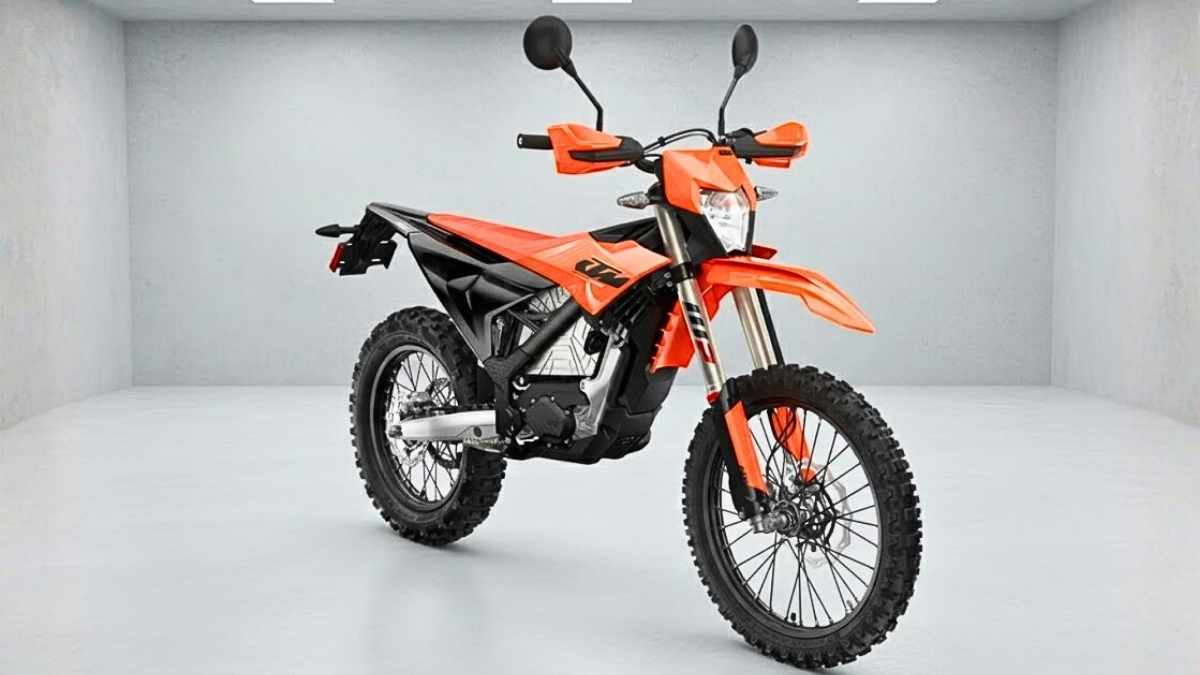
The global motorcycle industry is entering a defining phase as electric power steadily moves from niche experimentation to mainstream acceptance. By 2025, electric motorcycles are no longer expected to be limited to urban commuters or concept showcases. Instead, they are evolving into fully capable machines that address performance, design, range, and rider emotion. The coming year is shaping up to be a turning point, where innovation and practicality finally meet on two wheels.
Manufacturers across the world are accelerating their electric plans, driven by stricter emission regulations, advancing battery technology, and a new generation of riders open to change. The electric motorcycle landscape in 2025 reflects this shift clearly, with offerings that cater to commuters, enthusiasts, and adventure seekers alike.
The Evolution of Electric Motorcycle Technology
One of the most noticeable changes heading into 2025 is the maturity of electric motorcycle technology. Early electric bikes often struggled with limited range, heavy battery packs, and unexciting performance. Today, advancements in lithium-ion cells, battery management systems, and lightweight materials have transformed the riding experience.
Modern electric motorcycles are expected to offer improved real-world range, faster charging times, and better thermal efficiency. Many upcoming models are focusing on modular battery systems, allowing easier upgrades and reduced long-term ownership costs. Power delivery has also improved, with smoother throttle response and better control at higher speeds.
These improvements indicate that electric motorcycles are no longer experimental products but serious alternatives to internal combustion machines.
Performance Without Compromise
Performance has become a key focus area for electric motorcycles in 2025. Instant torque, once considered a novelty, is now being refined to deliver controlled and engaging acceleration. Manufacturers are tuning electric motors to balance excitement with rideability, ensuring that power is accessible rather than overwhelming.
High-performance electric motorcycles are expected to rival mid-capacity petrol bikes in terms of acceleration and top speed. Advanced traction control, regenerative braking, and multiple riding modes allow riders to customize their experience based on road conditions and personal preference.
This shift in performance philosophy is helping electric motorcycles shed the perception of being slow or purely utilitarian.
Expanding Design Language and Identity
Design plays a crucial role in how electric motorcycles are perceived, and 2025 models are becoming increasingly expressive. Instead of hiding their electric nature, many manufacturers are embracing it, using clean lines, compact proportions, and futuristic elements to create a distinct identity.
At the same time, some brands are choosing a more traditional approach, designing electric motorcycles that closely resemble conventional bikes. This strategy helps ease the transition for riders who value familiarity. The result is a diverse design landscape where riders can choose between bold, futuristic machines and understated, classic-looking electric bikes.
Charging Infrastructure and Practicality
One of the biggest challenges facing electric motorcycles has been charging infrastructure. By 2025, improvements in public charging networks and home charging solutions are making ownership more practical. Fast-charging technology is becoming more accessible, allowing riders to recharge their bikes during short breaks rather than extended stops.
Many manufacturers are also working on portable charging options and compatibility with existing electric vehicle charging standards. These developments reduce range anxiety and make electric motorcycles viable for longer journeys and touring applications.
Practicality is further enhanced by improved software integration, enabling riders to monitor battery status, locate charging stations, and plan routes efficiently.
Electric Motorcycles in Urban and Touring Roles
Electric motorcycles are finding their strongest foothold in urban environments, where silent operation, low running costs, and zero emissions offer clear advantages. In 2025, city-focused electric motorcycles are expected to become more affordable and accessible, targeting daily commuters and younger riders.
At the same time, touring-capable electric motorcycles are beginning to emerge. These models prioritize comfort, range, and luggage capacity, challenging the belief that electric bikes are only suitable for short trips. While long-distance touring still presents challenges, progress in battery efficiency is steadily closing the gap.
Market Competition and New Players
The electric motorcycle market in 2025 is becoming increasingly competitive. Established manufacturers are investing heavily in electric platforms, while startups continue to bring fresh ideas and unconventional designs. This competition is driving innovation and keeping prices in check.
Collaborations between technology firms and traditional motorcycle brands are also becoming more common. These partnerships combine engineering expertise with software innovation, resulting in smarter and more connected motorcycles.
As the market grows, consumers benefit from greater choice and improved product quality.
Rider Perception and Cultural Shift
Perhaps the most significant change in 2025 is the shift in rider perception. Electric motorcycles are no longer viewed as compromises or experimental products. Instead, they are being recognized for their unique advantages, such as smooth power delivery, low maintenance, and reduced environmental impact.
Rider communities are gradually embracing electric mobility, and events dedicated to electric motorcycles are gaining popularity. This cultural shift plays a vital role in shaping the future of the segment.
Key Highlights
Electric motorcycle technology is reaching maturity with better range and faster charging
Performance-focused electric bikes are closing the gap with petrol-powered models
Design diversity allows riders to choose between futuristic and traditional styling
Charging infrastructure improvements are increasing everyday usability
Electric motorcycles are expanding beyond urban use into touring and performance segments
Final Words
The electric motorcycle landscape in 2025 represents a critical moment in the evolution of two-wheeled mobility. With advancements in technology, performance, and infrastructure, electric motorcycles are becoming viable options for a wider range of riders.
While challenges remain, the progress made so far suggests that electric motorcycles are not just a trend but a lasting shift in the industry. As innovation continues and rider acceptance grows, 2025 may well be remembered as the year electric motorcycles truly came of age.